
Nehru, Mountbatten & astrology: Why India got freedom on August 15 midnight
The Indian Independence Act legally set August 15, 1947, as the appointed date for the creation of the two new dominions. The midnight ceremony was the political and ceremonial moment through which that transition was publicly marked.
- Aug 15, 2026,
- Updated Aug 15, 2026 3:57 PM IST
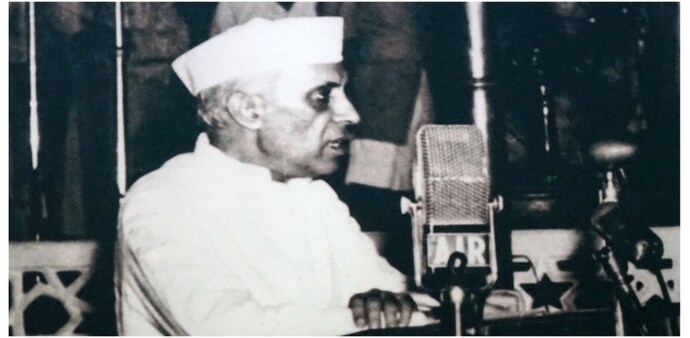
At the stroke of midnight on August 15, 1947, India stepped into freedom. Jawaharlal Nehru's iconic words — “At the stroke of the midnight hour, when the world sleeps, India will awake to life and freedom” — captured the drama of the moment.
But why midnight? The answer lies in a curious intersection of British political calculations, Lord Mountbatten's schedule, Indian traditions and, according to historical accounts, astrology.
The date itself was not originally fixed around an Indian astrological calculation. Lord Louis Mountbatten, the last Viceroy of British India, selected August 15 as the date for the transfer of power. The date also carried personal significance for Mountbatten: it marked the second anniversary of Japan's surrender in 1945, an event closely associated with his wartime command.
MUST READ | Republic Day vs Independence Day: Why Jan 26 gets the grander celebration than Aug 15
The problem was that August 15 was regarded as an inauspicious day by some Indian astrologers. Accounts from the period say that political leaders were concerned about beginning independent India's journey under an unfavourable astrological configuration.
That created an unusual dilemma. The date could not simply be moved, given the political arrangements already underway and Mountbatten's schedule. He was also due to be in Karachi on August 14 for Pakistan's independence ceremonies.
The solution was to split the moment in time.
Rather than holding the formal transfer of power during the daytime on August 15, the key ceremony in New Delhi was scheduled around midnight between August 14 and 15. The Constituent Assembly began its special session at 11 pm on August 14, with Nehru delivering his famous “Tryst with Destiny” speech shortly before the formal transition.
Where astrology enters the story
One of the figures associated with the choice of the precise moment was Pandit Surya Narayan Vyas, an astrologer from Ujjain. Accounts credit Vyas with advising Indian leaders on an auspicious time for independence.
DON'T MISS | Independence vs Republic Day explained: Why India celebrates it but America doesn’t
According to the astrological interpretation, midnight offered a more favourable combination. The Taurus ascendant, considered a fixed sign, was seen as symbolising stability and permanence. The Moon was also said to be positioned in Pushya Nakshatra, traditionally regarded as an auspicious constellation for important beginnings.
The story is particularly intriguing because Nehru himself was not known as a believer in astrology. Yet, the political leadership had to operate in a society where traditional beliefs remained influential, especially when a decision was being framed as the birth of a new nation.
There is, however, an important distinction between documented history and later retellings. The Indian Independence Act legally set August 15, 1947, as the appointed date for the creation of the two new dominions. The midnight ceremony was the political and ceremonial moment through which that transition was publicly marked.
A midnight that became history
The symbolism ultimately proved bigger than the circumstances that produced it. As the clock approached midnight on August 15, the Constituent Assembly gathered in New Delhi. Nehru's speech transformed what could have been a formal constitutional transition into one of the most memorable moments in India's history.
DO CHECKOUT | Independence Day 2026: PM Modi unveils Sapt Dhara roadmap for Viksit Bharat. What it means, list of sectors it focuses on
“Long years ago, we made a tryst with destiny,” Nehru told the Assembly. Minutes later, colonial rule formally gave way to independent India.
The irony is striking: a modern political revolution, negotiated through legislation, diplomacy and constitutional procedure, became forever associated with a moment that was also shaped by an ancient Indian understanding of auspicious time.
And so, India's freedom did not arrive with the sunrise on August 15. It arrived in the darkness — at midnight between August 14 and 15 — before the country awoke to its first morning as an independent nation.
At the stroke of midnight on August 15, 1947, India stepped into freedom. Jawaharlal Nehru's iconic words — “At the stroke of the midnight hour, when the world sleeps, India will awake to life and freedom” — captured the drama of the moment.
But why midnight? The answer lies in a curious intersection of British political calculations, Lord Mountbatten's schedule, Indian traditions and, according to historical accounts, astrology.
The date itself was not originally fixed around an Indian astrological calculation. Lord Louis Mountbatten, the last Viceroy of British India, selected August 15 as the date for the transfer of power. The date also carried personal significance for Mountbatten: it marked the second anniversary of Japan's surrender in 1945, an event closely associated with his wartime command.
MUST READ | Republic Day vs Independence Day: Why Jan 26 gets the grander celebration than Aug 15
The problem was that August 15 was regarded as an inauspicious day by some Indian astrologers. Accounts from the period say that political leaders were concerned about beginning independent India's journey under an unfavourable astrological configuration.
That created an unusual dilemma. The date could not simply be moved, given the political arrangements already underway and Mountbatten's schedule. He was also due to be in Karachi on August 14 for Pakistan's independence ceremonies.
The solution was to split the moment in time.
Rather than holding the formal transfer of power during the daytime on August 15, the key ceremony in New Delhi was scheduled around midnight between August 14 and 15. The Constituent Assembly began its special session at 11 pm on August 14, with Nehru delivering his famous “Tryst with Destiny” speech shortly before the formal transition.
Where astrology enters the story
One of the figures associated with the choice of the precise moment was Pandit Surya Narayan Vyas, an astrologer from Ujjain. Accounts credit Vyas with advising Indian leaders on an auspicious time for independence.
DON'T MISS | Independence vs Republic Day explained: Why India celebrates it but America doesn’t
According to the astrological interpretation, midnight offered a more favourable combination. The Taurus ascendant, considered a fixed sign, was seen as symbolising stability and permanence. The Moon was also said to be positioned in Pushya Nakshatra, traditionally regarded as an auspicious constellation for important beginnings.
The story is particularly intriguing because Nehru himself was not known as a believer in astrology. Yet, the political leadership had to operate in a society where traditional beliefs remained influential, especially when a decision was being framed as the birth of a new nation.
There is, however, an important distinction between documented history and later retellings. The Indian Independence Act legally set August 15, 1947, as the appointed date for the creation of the two new dominions. The midnight ceremony was the political and ceremonial moment through which that transition was publicly marked.
A midnight that became history
The symbolism ultimately proved bigger than the circumstances that produced it. As the clock approached midnight on August 15, the Constituent Assembly gathered in New Delhi. Nehru's speech transformed what could have been a formal constitutional transition into one of the most memorable moments in India's history.
DO CHECKOUT | Independence Day 2026: PM Modi unveils Sapt Dhara roadmap for Viksit Bharat. What it means, list of sectors it focuses on
“Long years ago, we made a tryst with destiny,” Nehru told the Assembly. Minutes later, colonial rule formally gave way to independent India.
The irony is striking: a modern political revolution, negotiated through legislation, diplomacy and constitutional procedure, became forever associated with a moment that was also shaped by an ancient Indian understanding of auspicious time.
And so, India's freedom did not arrive with the sunrise on August 15. It arrived in the darkness — at midnight between August 14 and 15 — before the country awoke to its first morning as an independent nation.