
‘No intention of rejoining G8’: Putin says G7's influence losing global economic relevance
Russia was formally suspended from the G8 in 2014, following its annexation of Crimea. The remaining members — Canada, France, Germany, Italy, Japan, the UK, and the US — decided to revert to the G7 format, arguing that Moscow’s actions violated international law.
- Dec 4, 2025,
- Updated Dec 4, 2025 3:55 PM IST
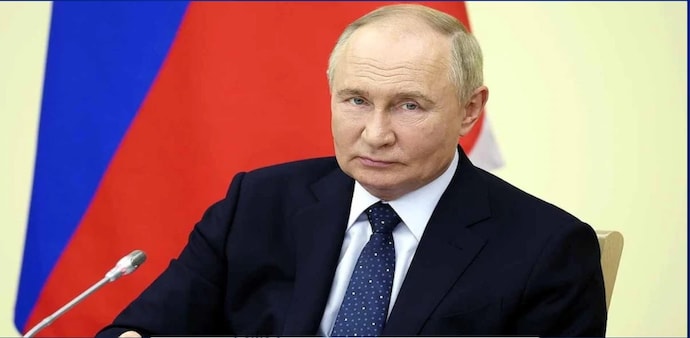
Russian President Vladimir Putin has made it clear that Moscow has “no intention of returning to the G8”, asserting that the grouping — now functioning as the G7 — has been losing global economic relevance over the years.
In an interview with India Today and Aaj Tak, Putin said the G7’s share in the global economy is “shrinking every year, like shagreen leather”, adding that Russia sees no strategic or economic benefit in rejoining the bloc.
Why Russia is out of G8
Russia was formally suspended from the G8 in 2014, following its annexation of Crimea. The remaining members — Canada, France, Germany, Italy, Japan, the UK, and the US — decided to revert to the G7 format, arguing that Moscow’s actions violated international law.
While several countries have since debated whether Russia should be brought back, geopolitical tensions over Ukraine have kept the door firmly shut. Putin’s latest remarks signal that Moscow is not looking for reinstatement and instead aims to position itself as a leader in alternative groupings like BRICS and the Eurasian Economic Union.
On Trump’s peace efforts
Putin also confirmed that his recent meeting with Steve Witkoff and Jared Kushner — both intermediaries linked to US President Donald Trump — was “very useful” and extensive. He said the peace proposals carried by them were based on Trump’s broader plan for a “consensus-based settlement” of the Ukraine conflict. However, Putin admitted that achieving such consensus would be “not an easy task” given the entrenched positions on both sides.
Putin reiterated that Russia had proposed an arrangement under which Ukrainian forces would withdraw from Donbas and halt military operations, but claimed Kyiv “preferred to fight” instead.
He argued that Europe must play a constructive role in ending the conflict rather than standing in the way. “European countries must get involved in the settlement process instead of obstructing it,” he said, suggesting that the continent’s security architecture is deeply intertwined with the outcome of the war.
Russian President Vladimir Putin has made it clear that Moscow has “no intention of returning to the G8”, asserting that the grouping — now functioning as the G7 — has been losing global economic relevance over the years.
In an interview with India Today and Aaj Tak, Putin said the G7’s share in the global economy is “shrinking every year, like shagreen leather”, adding that Russia sees no strategic or economic benefit in rejoining the bloc.
Why Russia is out of G8
Russia was formally suspended from the G8 in 2014, following its annexation of Crimea. The remaining members — Canada, France, Germany, Italy, Japan, the UK, and the US — decided to revert to the G7 format, arguing that Moscow’s actions violated international law.
While several countries have since debated whether Russia should be brought back, geopolitical tensions over Ukraine have kept the door firmly shut. Putin’s latest remarks signal that Moscow is not looking for reinstatement and instead aims to position itself as a leader in alternative groupings like BRICS and the Eurasian Economic Union.
On Trump’s peace efforts
Putin also confirmed that his recent meeting with Steve Witkoff and Jared Kushner — both intermediaries linked to US President Donald Trump — was “very useful” and extensive. He said the peace proposals carried by them were based on Trump’s broader plan for a “consensus-based settlement” of the Ukraine conflict. However, Putin admitted that achieving such consensus would be “not an easy task” given the entrenched positions on both sides.
Putin reiterated that Russia had proposed an arrangement under which Ukrainian forces would withdraw from Donbas and halt military operations, but claimed Kyiv “preferred to fight” instead.
He argued that Europe must play a constructive role in ending the conflict rather than standing in the way. “European countries must get involved in the settlement process instead of obstructing it,” he said, suggesting that the continent’s security architecture is deeply intertwined with the outcome of the war.