
Operation Sindoor Anniversary: How strikes by India's tri-services reshaped its terror response- A look back
A year after its launch, Operation Sindoor has come to define a decisive shift in India’s response to cross-border terrorism, one that fused precision military action with diplomatic signalling and strategic restraint
- May 7, 2026,
- Updated May 7, 2026 11:54 AM IST
On April 22, 2025, three gunmen opened fire in the Baisaran Valley near Pahalgam, killing 26 civilians, most of them tourists. The attack set off a chain of events that would culminate in one of India's most coordinated military operations in recent memory.
A year after its launch, Operation Sindoor has come to define a decisive shift in India’s response to cross-border terrorism, one that fused precision military action with diplomatic signalling and strategic restraint.
The strikes
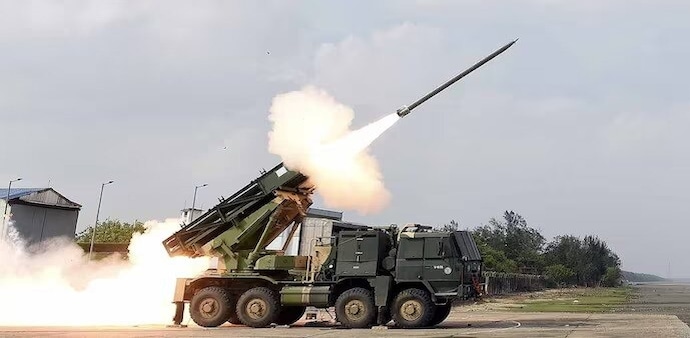
In the early hours of May 7, 2025, India launched Operation Sindoor. The Army, Navy, and Air Force struck nine identified terror-linked sites across Pakistan and Pakistan-occupied Kashmir. The government described the operation as "focused, measured and non-escalatory," making clear that the targets were limited to terror infrastructure and did not include Pakistani military facilities.
Multi-agency intelligence had confirmed the nine sites in advance. The planning was designed to ensure minimal collateral damage, and operational ethics, avoiding civilian harm, were central to how the mission was executed.
DO CHECKOUT: PM Modi changes X DP on 1 year of Operation Sindoor; Cabinet ministers join in to pay tribute
How each service contributed
- Indian Air Force
The IAF conducted precision strikes on targets including the Nur Khan Air Base and the Rahimyar Khan Air Base, with visual evidence of damage presented at official briefings. When Pakistan responded with drone and UCAV attacks on Indian airbases and logistics infrastructure, the IAF's layered air defence held. The indigenously developed Akash surface-to-air missile system, alongside the Pechora and OSA-AK platforms, formed the defensive grid. The IAF's Integrated Air Command and Control System enabled real-time coordination throughout.
- Indian Army
Army air defence units worked alongside the Air Force, deploying systems ranging from shoulder-fired MANPADS and low-level air defence guns to long-range surface-to-air missiles. These units countered repeated waves of drones and loitering munitions. Despite sustained attempts to damage military and civilian infrastructure, Indian defences held across the board.
- Indian Navy
The Navy deployed its Carrier Battle Group, equipped with MiG-29K fighter jets and airborne early warning helicopters, to establish maritime dominance. The CBG maintained persistent surveillance and an air defence shield along the Makran coast, effectively restricting Pakistani air elements along their western seaboard. Naval pilots flew round-the-clock sorties, and the Navy's anti-missile and anti-aircraft capabilities were validated in live conditions.
- Border Security Force
On the ground in the Samba district, Jammu and Kashmir, the BSF thwarted a major infiltration attempt along the International Border. Troops noticed suspicious movement in the early hours and responded swiftly. At least two infiltrators were neutralised, and arms, ammunition, and other war-like stores were recovered.
DON'T MISS: Operation Sindoor Anniversary: This defence stock gave 400% returns in a year— Do you own?
Pakistan’s response and India’s defence grid
In the aftermath of the strikes, Pakistan launched retaliatory drone and UCAV attacks targeting Indian airbases and logistics infrastructure.
These attempts were effectively neutralised by India’s multilayered air defence architecture. The Integrated Command and Control Strategy enabled real-time threat detection and interception, ensuring that both military and civilian assets remained protected despite sustained attempts to escalate.
The diplomatic response
Even as the strikes unfolded, New Delhi moved simultaneously on the diplomatic front. India placed the Indus Waters Treaty in abeyance, a significant bilateral step widely read as signalling a harder stance. Visa services for Pakistani nationals were suspended, existing visas were revoked from April 27, and medical visas were given only until April 29. Indian citizens were advised against travelling to Pakistan, and those already there were urged to return.
Escalation and the pause
The strikes triggered immediate cross-border firing, aerial activity, and missile exchanges that kept the region on edge for several days. The situation eased on May 10, when India and Pakistan agreed to halt military actions from 1700 hours IST, following communication between their Directors General of Military Operations.
What it means
Operation Sindoor was not purely a military operation. By combining targeted strikes with treaty decisions and visa restrictions, India signalled that its response to cross-border terrorism would extend well beyond immediate retaliation. The operation paired battlefield action with policy levers, and in doing so, marked a shift in how India would approach such crises going forward.
On April 22, 2025, three gunmen opened fire in the Baisaran Valley near Pahalgam, killing 26 civilians, most of them tourists. The attack set off a chain of events that would culminate in one of India's most coordinated military operations in recent memory.
A year after its launch, Operation Sindoor has come to define a decisive shift in India’s response to cross-border terrorism, one that fused precision military action with diplomatic signalling and strategic restraint.
The strikes
In the early hours of May 7, 2025, India launched Operation Sindoor. The Army, Navy, and Air Force struck nine identified terror-linked sites across Pakistan and Pakistan-occupied Kashmir. The government described the operation as "focused, measured and non-escalatory," making clear that the targets were limited to terror infrastructure and did not include Pakistani military facilities.
Multi-agency intelligence had confirmed the nine sites in advance. The planning was designed to ensure minimal collateral damage, and operational ethics, avoiding civilian harm, were central to how the mission was executed.
DO CHECKOUT: PM Modi changes X DP on 1 year of Operation Sindoor; Cabinet ministers join in to pay tribute
How each service contributed
- Indian Air Force
The IAF conducted precision strikes on targets including the Nur Khan Air Base and the Rahimyar Khan Air Base, with visual evidence of damage presented at official briefings. When Pakistan responded with drone and UCAV attacks on Indian airbases and logistics infrastructure, the IAF's layered air defence held. The indigenously developed Akash surface-to-air missile system, alongside the Pechora and OSA-AK platforms, formed the defensive grid. The IAF's Integrated Air Command and Control System enabled real-time coordination throughout.
- Indian Army
Army air defence units worked alongside the Air Force, deploying systems ranging from shoulder-fired MANPADS and low-level air defence guns to long-range surface-to-air missiles. These units countered repeated waves of drones and loitering munitions. Despite sustained attempts to damage military and civilian infrastructure, Indian defences held across the board.
- Indian Navy
The Navy deployed its Carrier Battle Group, equipped with MiG-29K fighter jets and airborne early warning helicopters, to establish maritime dominance. The CBG maintained persistent surveillance and an air defence shield along the Makran coast, effectively restricting Pakistani air elements along their western seaboard. Naval pilots flew round-the-clock sorties, and the Navy's anti-missile and anti-aircraft capabilities were validated in live conditions.
- Border Security Force
On the ground in the Samba district, Jammu and Kashmir, the BSF thwarted a major infiltration attempt along the International Border. Troops noticed suspicious movement in the early hours and responded swiftly. At least two infiltrators were neutralised, and arms, ammunition, and other war-like stores were recovered.
DON'T MISS: Operation Sindoor Anniversary: This defence stock gave 400% returns in a year— Do you own?
Pakistan’s response and India’s defence grid
In the aftermath of the strikes, Pakistan launched retaliatory drone and UCAV attacks targeting Indian airbases and logistics infrastructure.
These attempts were effectively neutralised by India’s multilayered air defence architecture. The Integrated Command and Control Strategy enabled real-time threat detection and interception, ensuring that both military and civilian assets remained protected despite sustained attempts to escalate.
The diplomatic response
Even as the strikes unfolded, New Delhi moved simultaneously on the diplomatic front. India placed the Indus Waters Treaty in abeyance, a significant bilateral step widely read as signalling a harder stance. Visa services for Pakistani nationals were suspended, existing visas were revoked from April 27, and medical visas were given only until April 29. Indian citizens were advised against travelling to Pakistan, and those already there were urged to return.
Escalation and the pause
The strikes triggered immediate cross-border firing, aerial activity, and missile exchanges that kept the region on edge for several days. The situation eased on May 10, when India and Pakistan agreed to halt military actions from 1700 hours IST, following communication between their Directors General of Military Operations.
What it means
Operation Sindoor was not purely a military operation. By combining targeted strikes with treaty decisions and visa restrictions, India signalled that its response to cross-border terrorism would extend well beyond immediate retaliation. The operation paired battlefield action with policy levers, and in doing so, marked a shift in how India would approach such crises going forward.