
'Rubio's remarks will further inflame anti-US...': American expert after Indian sailors' deaths
'Rubio's remarks will further inflame anti-US...': American expert after Indian sailors' deaths
Rubio didn’t even express condolences for India’s loss of life, the American expert slams US Secretary of State
Business Today Desk
- Jun 14, 2026,
- Updated Jun 14, 2026 7:34 AM IST
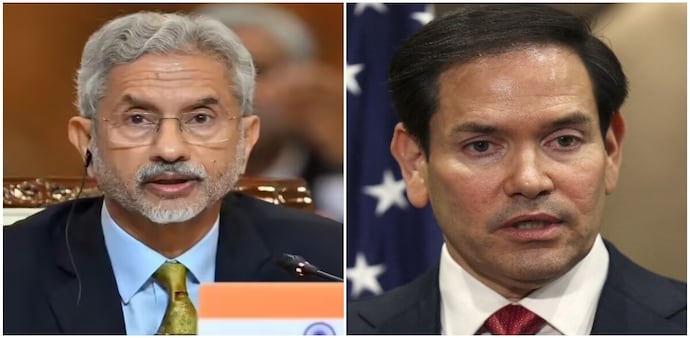
A prominent American foreign policy analyst has criticised US Secretary of State Marco Rubio's response to India's protest over the killing of three Indian mariners in a US military strike in the Gulf of Oman, saying his remarks were "tone deaf" and risked fuelling anti-American sentiment in India.
Advertisement
Reacting to the official US readout of Rubio's phone call with External Affairs Minister S Jaishankar, Derek Grossman, founder and chief analyst at Indo-Pacific Solutions and a senior fellow at the Center for a New American Security, said the statement failed to acknowledge India's loss.
Don't Miss: ‘Totally unacceptable’: Trump slams Iran for drone attack on Indian vessels in Hormuz
"Rubio's remarks were tone deaf and will further inflame anti-US sentiment. He didn’t even express condolences for India’s loss of life! Some 'friend' Trump’s America is to India," Grossman wrote on Saturday.
The criticism came after Jaishankar raised with Rubio the deaths of three Indian sailors in a US military strike on the tanker Settebello off the coast of Oman.
Advertisement
Following the conversation, Jaishankar said: "Spoke to US Secretary of State Marco Rubio this evening. I reiterated India's strong protest at the attacks by the US Navy in the Gulf that killed three Indian mariners."
"Such lethal actions against commercial shipping are not justified," he added.
However, the US State Department's account of the conversation focused on enforcement of Washington's naval blockade around Iran.
According to principal deputy spokesperson Tommy Pigott, Rubio and Jaishankar discussed recent developments in the Strait of Hormuz. "The Secretary stressed that all commercial vessels should immediately comply with orders from US forces as they seek to uphold peace and security in the Strait."
"He underscored that violations of the U.S. blockade and the illicit transport of Iranian oil will not be tolerated," the spokesperson added.
Advertisement
The remarks also drew criticism from former Foreign Secretary Nirupama Rao, who said the readout reflected a broader shift in global diplomacy.
"The Rubio-Jaishankar readout recalls a broader trend in international relations," Rao said. "Power increasingly speaks in the language of sanctions, blockades, tariffs, and coercion. Diplomacy is left to explain the consequences."
"Three Indian seafarers are dead. The official response focuses on enforcement. Washington is carrying a big stick. It is not speaking softly either. The casualty is diplomacy," she added.
The diplomatic row follows a series of attacks involving commercial vessels with Indian crew members in the Gulf region.
A Palau-flagged tanker, Marivex, carrying 24 Indian seafarers, was disabled by US forces on June 8, though all crew members were rescued.
A day later, the US struck another Palau-flagged tanker, Settebello, killing three Indian sailors and rescuing 21 others.
On June 11, Jalveer, a Guinea-Bissau-flagged tanker with 20 Indian crew members, also came under attack.
The US Central Command said the vessels were targeted for allegedly attempting to violate Washington's blockade of Iranian ports and transport Iranian oil.
India has strongly objected to the strikes. New Delhi summoned US Charge d'Affaires Jason Meeks twice this week and described the attacks as unacceptable.
Advertisement
Following the latest incident, India said three merchant vessels with Indian crew members had come under attack from the American military off the coast of Oman, resulting in the deaths of three Indian nationals.
The US military has been enforcing a blockade of Iranian ports amid escalating tensions in the region after Tehran effectively closed the Strait of Hormuz, a strategic waterway through which nearly one-fifth of global oil and gas trade passes.
A prominent American foreign policy analyst has criticised US Secretary of State Marco Rubio's response to India's protest over the killing of three Indian mariners in a US military strike in the Gulf of Oman, saying his remarks were "tone deaf" and risked fuelling anti-American sentiment in India.
Advertisement
Reacting to the official US readout of Rubio's phone call with External Affairs Minister S Jaishankar, Derek Grossman, founder and chief analyst at Indo-Pacific Solutions and a senior fellow at the Center for a New American Security, said the statement failed to acknowledge India's loss.
Don't Miss: ‘Totally unacceptable’: Trump slams Iran for drone attack on Indian vessels in Hormuz
"Rubio's remarks were tone deaf and will further inflame anti-US sentiment. He didn’t even express condolences for India’s loss of life! Some 'friend' Trump’s America is to India," Grossman wrote on Saturday.
The criticism came after Jaishankar raised with Rubio the deaths of three Indian sailors in a US military strike on the tanker Settebello off the coast of Oman.
Advertisement
Following the conversation, Jaishankar said: "Spoke to US Secretary of State Marco Rubio this evening. I reiterated India's strong protest at the attacks by the US Navy in the Gulf that killed three Indian mariners."
"Such lethal actions against commercial shipping are not justified," he added.
However, the US State Department's account of the conversation focused on enforcement of Washington's naval blockade around Iran.
According to principal deputy spokesperson Tommy Pigott, Rubio and Jaishankar discussed recent developments in the Strait of Hormuz. "The Secretary stressed that all commercial vessels should immediately comply with orders from US forces as they seek to uphold peace and security in the Strait."
"He underscored that violations of the U.S. blockade and the illicit transport of Iranian oil will not be tolerated," the spokesperson added.
Advertisement
The remarks also drew criticism from former Foreign Secretary Nirupama Rao, who said the readout reflected a broader shift in global diplomacy.
"The Rubio-Jaishankar readout recalls a broader trend in international relations," Rao said. "Power increasingly speaks in the language of sanctions, blockades, tariffs, and coercion. Diplomacy is left to explain the consequences."
"Three Indian seafarers are dead. The official response focuses on enforcement. Washington is carrying a big stick. It is not speaking softly either. The casualty is diplomacy," she added.
The diplomatic row follows a series of attacks involving commercial vessels with Indian crew members in the Gulf region.
A Palau-flagged tanker, Marivex, carrying 24 Indian seafarers, was disabled by US forces on June 8, though all crew members were rescued.
A day later, the US struck another Palau-flagged tanker, Settebello, killing three Indian sailors and rescuing 21 others.
On June 11, Jalveer, a Guinea-Bissau-flagged tanker with 20 Indian crew members, also came under attack.
The US Central Command said the vessels were targeted for allegedly attempting to violate Washington's blockade of Iranian ports and transport Iranian oil.
India has strongly objected to the strikes. New Delhi summoned US Charge d'Affaires Jason Meeks twice this week and described the attacks as unacceptable.
Advertisement
Following the latest incident, India said three merchant vessels with Indian crew members had come under attack from the American military off the coast of Oman, resulting in the deaths of three Indian nationals.
The US military has been enforcing a blockade of Iranian ports amid escalating tensions in the region after Tehran effectively closed the Strait of Hormuz, a strategic waterway through which nearly one-fifth of global oil and gas trade passes.
Read more!