
'Strangest story in US diplomacy': Ex-secretary blasts Trump for turning on India, sparing China
The former deputy secretary, who oversaw India relations during the George W. Bush administration, warned that "the repoliticisation of US-India relations is a slow-motion catastrophe."
- Aug 20, 2025,
- Updated Aug 20, 2025 4:01 PM IST
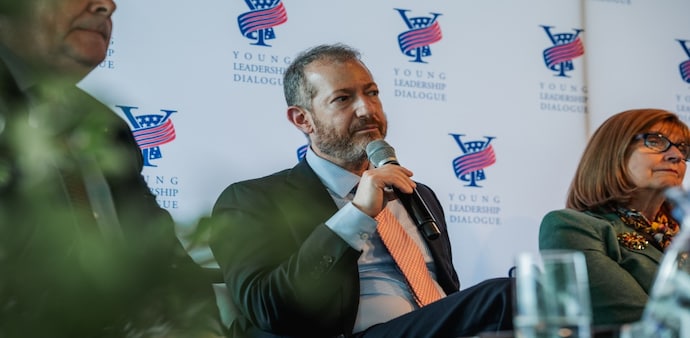
Evan Feigenbaum, noted Asia expert and former US Deputy Assistant Secretary of State, has slammed the Trump administration's move to target India with punitive tariffs over its Russian oil imports, calling the reversal a historic diplomatic misstep.
"How the United States went from organizing a counter China coalition to organizing a counter India coalition will be retold someday as one of the strangest stories in American diplomatic history," Feigenbaum said Tuesday, reacting to US Treasury Secretary Scott Bessent's earlier statement that tariffs may go up if Russian President Vladmir Putin doesn't stop the war in Ukraine.
Feigenbaum had earlier written in Carnegie that after more than two decades of bipartisan effort to transform the relationship between New Delhi and Washington, "President Donald Trump is now in the process of dismantling this painstakingly built relationship." He added that Trump's tariff on India over its oil trade with Russia significantly shifts the bar for bilateral relations.
The former deputy secretary, who oversaw India relations during the George W. Bush administration, warned that "the repoliticisation of US-India relations is a slow-motion catastrophe."
On Wednesday, Treasury Secretary Bessent claimed that "India is just profiteering (from buying and then selling Russian oil). They are reselling. They made $16 billion in excess profits. Some of the richest families in India." He called the price arbitrage "unacceptable" and defended the decision to spare China while targeting India with a 50% tariff.
"Before the war in Ukraine, less than 1% of India's oil came from Russia. Now it is 42%,” Bessent said. By contrast, he said China's imports from Russia had increased only from 13% to 16%, calling it “suboptimal,” but "diversified."
Geopolitical commentator Fareed Zakaria also slammed the US for punishing India over Russian oil. On CNN, he said, "India believes America has shown its true colours. It’s unreliable, its willingness to be brutal to those whom it calls its friends. India will feel that it needs to hedge its bets. Stay close to Russia and make amends with China."
Zakaria called it the "biggest foreign policy mistake" of Trump’s second term, adding that "even if Trump reverses course, the damage is done."
Beyond the tariffs, Zakaria noted the US has reduced import duties on Pakistani goods and struck a deal to develop oil reserves in Pakistan. "India has been a victim of Trump 2.0's new playbook - humiliate allies, and flirt with adversaries," he said.
Evan Feigenbaum, noted Asia expert and former US Deputy Assistant Secretary of State, has slammed the Trump administration's move to target India with punitive tariffs over its Russian oil imports, calling the reversal a historic diplomatic misstep.
"How the United States went from organizing a counter China coalition to organizing a counter India coalition will be retold someday as one of the strangest stories in American diplomatic history," Feigenbaum said Tuesday, reacting to US Treasury Secretary Scott Bessent's earlier statement that tariffs may go up if Russian President Vladmir Putin doesn't stop the war in Ukraine.
Feigenbaum had earlier written in Carnegie that after more than two decades of bipartisan effort to transform the relationship between New Delhi and Washington, "President Donald Trump is now in the process of dismantling this painstakingly built relationship." He added that Trump's tariff on India over its oil trade with Russia significantly shifts the bar for bilateral relations.
The former deputy secretary, who oversaw India relations during the George W. Bush administration, warned that "the repoliticisation of US-India relations is a slow-motion catastrophe."
On Wednesday, Treasury Secretary Bessent claimed that "India is just profiteering (from buying and then selling Russian oil). They are reselling. They made $16 billion in excess profits. Some of the richest families in India." He called the price arbitrage "unacceptable" and defended the decision to spare China while targeting India with a 50% tariff.
"Before the war in Ukraine, less than 1% of India's oil came from Russia. Now it is 42%,” Bessent said. By contrast, he said China's imports from Russia had increased only from 13% to 16%, calling it “suboptimal,” but "diversified."
Geopolitical commentator Fareed Zakaria also slammed the US for punishing India over Russian oil. On CNN, he said, "India believes America has shown its true colours. It’s unreliable, its willingness to be brutal to those whom it calls its friends. India will feel that it needs to hedge its bets. Stay close to Russia and make amends with China."
Zakaria called it the "biggest foreign policy mistake" of Trump’s second term, adding that "even if Trump reverses course, the damage is done."
Beyond the tariffs, Zakaria noted the US has reduced import duties on Pakistani goods and struck a deal to develop oil reserves in Pakistan. "India has been a victim of Trump 2.0's new playbook - humiliate allies, and flirt with adversaries," he said.