
'That cup of tea cost us the most': Ishaq Dar blames ex-ISI chief Faiz Hameed for Pakistan-Afghanistan crisis. Here's why
Dar, without naming individuals, referred to Hameed’s highly publicised Kabul trip shortly after the Taliban took control of Afghanistan.
- Nov 6, 2025,
- Updated Nov 6, 2025 2:40 PM IST
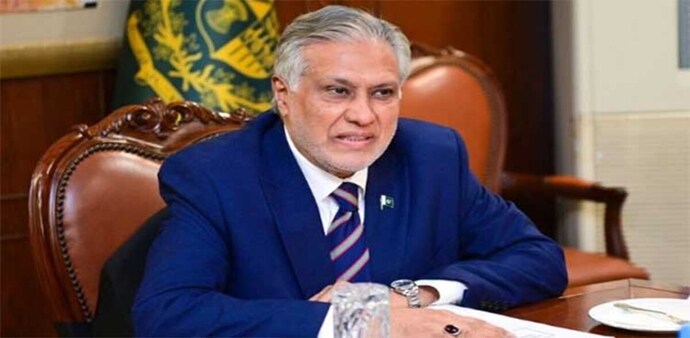
Pakistan’s Foreign Minister Ishaq Dar has directly addressed the fallout from former Inter-Services Intelligence (ISI) chief Faiz Hameed’s 2021 visit to Kabul, attributing Pakistan’s current security challenges to decisions made during that period. Speaking at a recent event, Dar referenced the strategic outreach to the Afghan Taliban and its unintended consequences.
Dar, without naming individuals, referred to Hameed’s highly publicised Kabul trip shortly after the Taliban took control of Afghanistan. In a video from the visit, Hameed was seen stating, “everything will be fine,” after meeting Taliban leaders. The statement, once a symbol of optimism, has since gained new significance as security concerns escalate.
Dar said, “Pakistan has done so much outreach that when we go there we say that we are here for a cup of tea... May Allah ease everyone’s difficulties, but that cup of tea cost us the most.” He highlighted how such gestures had long-term implications for Pakistan.
Expanding on his criticism, Dar explained, “That cup of tea reopened the entire borders... The 35,000-40,000 Taliban who had fled from here came back... And the government of that time released the most hardened criminals who had burnt the flags of Pakistan in Swat, who had martyred many people.” These comments underscore his view that the outreach was a critical factor in the resurgence of militant groups inside Pakistan.
Last month, violence intensified along the Pakistan-Afghanistan border following Pakistani airstrikes targeting leaders of the Tehreek-e-Taliban Pakistan (TTP). In retaliation, Taliban forces attacked Pakistani military posts. While a ceasefire mediated by Turkey and Qatar reduced direct confrontations, incidents have continued, resulting in further casualties.
Amid these tensions, Pakistan claimed to have killed Qari Amjad, the TTP’s deputy leader and a US-designated terrorist, as he crossed from Afghanistan. The Afghan government condemned these strikes, calling them violations of its sovereignty and denying accusations of sheltering TTP fighters.
Dar described the approach as having “reopened the doors” to militants and reignited terrorism within Pakistan, representing an explicit acknowledgement by a senior Pakistani official of missteps in the country’s Afghan policy.
He concluded by urging a more cautious strategy: “control ourselves so that we do not repeat such mistakes.” Dar’s remarks highlight growing calls within Pakistan for a review of policies towards the Taliban and more robust measures to address cross-border security threats.
Pakistan’s Foreign Minister Ishaq Dar has directly addressed the fallout from former Inter-Services Intelligence (ISI) chief Faiz Hameed’s 2021 visit to Kabul, attributing Pakistan’s current security challenges to decisions made during that period. Speaking at a recent event, Dar referenced the strategic outreach to the Afghan Taliban and its unintended consequences.
Dar, without naming individuals, referred to Hameed’s highly publicised Kabul trip shortly after the Taliban took control of Afghanistan. In a video from the visit, Hameed was seen stating, “everything will be fine,” after meeting Taliban leaders. The statement, once a symbol of optimism, has since gained new significance as security concerns escalate.
Dar said, “Pakistan has done so much outreach that when we go there we say that we are here for a cup of tea... May Allah ease everyone’s difficulties, but that cup of tea cost us the most.” He highlighted how such gestures had long-term implications for Pakistan.
Expanding on his criticism, Dar explained, “That cup of tea reopened the entire borders... The 35,000-40,000 Taliban who had fled from here came back... And the government of that time released the most hardened criminals who had burnt the flags of Pakistan in Swat, who had martyred many people.” These comments underscore his view that the outreach was a critical factor in the resurgence of militant groups inside Pakistan.
Last month, violence intensified along the Pakistan-Afghanistan border following Pakistani airstrikes targeting leaders of the Tehreek-e-Taliban Pakistan (TTP). In retaliation, Taliban forces attacked Pakistani military posts. While a ceasefire mediated by Turkey and Qatar reduced direct confrontations, incidents have continued, resulting in further casualties.
Amid these tensions, Pakistan claimed to have killed Qari Amjad, the TTP’s deputy leader and a US-designated terrorist, as he crossed from Afghanistan. The Afghan government condemned these strikes, calling them violations of its sovereignty and denying accusations of sheltering TTP fighters.
Dar described the approach as having “reopened the doors” to militants and reignited terrorism within Pakistan, representing an explicit acknowledgement by a senior Pakistani official of missteps in the country’s Afghan policy.
He concluded by urging a more cautious strategy: “control ourselves so that we do not repeat such mistakes.” Dar’s remarks highlight growing calls within Pakistan for a review of policies towards the Taliban and more robust measures to address cross-border security threats.