
The wait is over! India’s first hydrogen train launched today; here's everything you need to know
The inaugural hydrogen-powered train is proposed to operate on the Jind–Sonipat section in Haryana, a non-electrified route in Northern India
- Jul 17, 2026,
- Updated Jul 17, 2026 2:42 PM IST
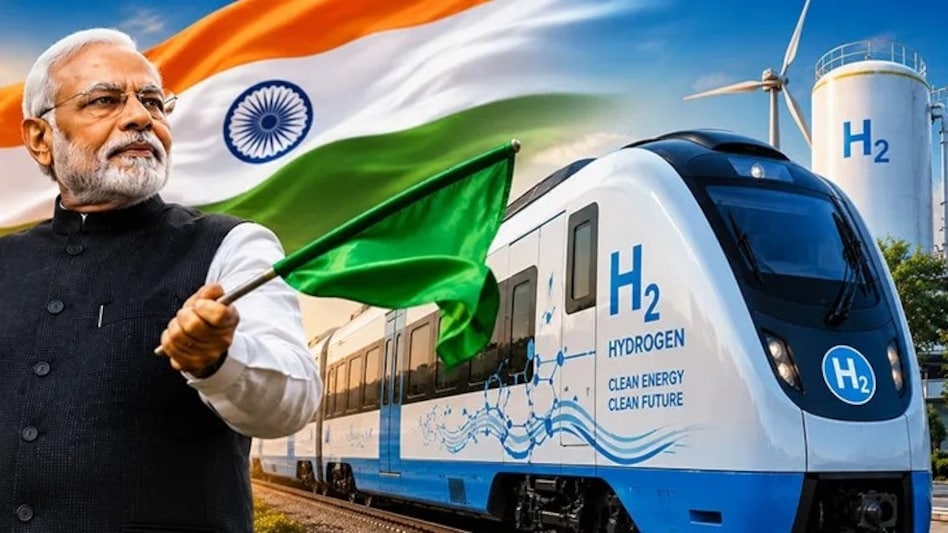
India is set to enter a new era of sustainable rail transport with the launch of its first hydrogen-powered train. The project marks a major milestone in Indian Railways' push towards cleaner, greener mobility, reducing dependence on diesel and cutting carbon emissions. Here are the most frequently asked questions about the train’s features and the route it is expected to cover.
What are the key features?
India’s first hydrogen-powered train is designed to run using hydrogen fuel cells instead of diesel. The fuel cells generate electricity by combining hydrogen with oxygen, producing only water vapour as the by-product, making it an environmentally friendly mode of transport.
READ THIS: Blue, red or white — Indian Railways' train colours are actually telling you something important
Key features:
- Zero direct carbon emissions, with water being the only exhaust.
- Lower noise levels compared to conventional diesel locomotives.
- Improved energy efficiency through hydrogen fuel-cell technology.
- Designed for non-electrified railway routes where diesel trains currently operate.
- Supports Indian Railways’ long-term goal of achieving net-zero carbon emissions.
The train is also expected to feature modern passenger amenities similar to those found in upgraded DEMU services, offering a comfortable travel experience while showcasing India's clean-energy ambitions.
Which route will the train cover?
The inaugural hydrogen-powered train is proposed to operate on the Jind–Sonipat section in Haryana, a non-electrified route in Northern India.
The route is expected to connect important stations including:
- Jind Junction
- Julana
- Rohtak region stations (depending on operational plans)
- Gohana
- Sonipat Junction
DON'T MISS: IRCTC new website launch today: 10 new features every train passenger should know
The corridor has been selected as a pilot project because it offers suitable operational conditions for testing hydrogen fuel-cell technology under Indian railway conditions. If the pilot proves successful, Indian Railways plans to introduce similar hydrogen-powered trains on other heritage, hill and non-electrified routes across the country.
How does a hydrogen-powered train work?
A hydrogen-powered train uses hydrogen fuel cells to generate electricity instead of relying on diesel. Compressed hydrogen stored in onboard tanks reacts with oxygen from the air inside the fuel cells, producing electricity through an electrochemical process. This electricity powers the train's electric motors, while excess energy is stored in batteries for use during acceleration.
Regenerative braking also helps recharge these batteries, improving efficiency. Unlike diesel trains, hydrogen-powered trains emit only water vapour and heat, with no carbon dioxide or harmful pollutants, making them an environmentally friendly solution for non-electrified railway routes.
ALSO READ: IRCTC's new website is live: Faster Tatkal, seat choice and a fare calendar — here's what changed
Significant for Indian Railways
The hydrogen-powered train represents a major step in India's transition towards clean transportation. Besides reducing greenhouse gas emissions, it is expected to lower operating costs over time and reduce reliance on fossil fuels. The project also aligns with the government's broader vision of promoting green hydrogen under the National Green Hydrogen Mission.
If successful, the technology could pave the way for a new generation of eco-friendly trains across India's vast railway network, reinforcing the country's commitment to sustainable infrastructure and cleaner public transport.
India is set to enter a new era of sustainable rail transport with the launch of its first hydrogen-powered train. The project marks a major milestone in Indian Railways' push towards cleaner, greener mobility, reducing dependence on diesel and cutting carbon emissions. Here are the most frequently asked questions about the train’s features and the route it is expected to cover.
What are the key features?
India’s first hydrogen-powered train is designed to run using hydrogen fuel cells instead of diesel. The fuel cells generate electricity by combining hydrogen with oxygen, producing only water vapour as the by-product, making it an environmentally friendly mode of transport.
READ THIS: Blue, red or white — Indian Railways' train colours are actually telling you something important
Key features:
- Zero direct carbon emissions, with water being the only exhaust.
- Lower noise levels compared to conventional diesel locomotives.
- Improved energy efficiency through hydrogen fuel-cell technology.
- Designed for non-electrified railway routes where diesel trains currently operate.
- Supports Indian Railways’ long-term goal of achieving net-zero carbon emissions.
The train is also expected to feature modern passenger amenities similar to those found in upgraded DEMU services, offering a comfortable travel experience while showcasing India's clean-energy ambitions.
Which route will the train cover?
The inaugural hydrogen-powered train is proposed to operate on the Jind–Sonipat section in Haryana, a non-electrified route in Northern India.
The route is expected to connect important stations including:
- Jind Junction
- Julana
- Rohtak region stations (depending on operational plans)
- Gohana
- Sonipat Junction
DON'T MISS: IRCTC new website launch today: 10 new features every train passenger should know
The corridor has been selected as a pilot project because it offers suitable operational conditions for testing hydrogen fuel-cell technology under Indian railway conditions. If the pilot proves successful, Indian Railways plans to introduce similar hydrogen-powered trains on other heritage, hill and non-electrified routes across the country.
How does a hydrogen-powered train work?
A hydrogen-powered train uses hydrogen fuel cells to generate electricity instead of relying on diesel. Compressed hydrogen stored in onboard tanks reacts with oxygen from the air inside the fuel cells, producing electricity through an electrochemical process. This electricity powers the train's electric motors, while excess energy is stored in batteries for use during acceleration.
Regenerative braking also helps recharge these batteries, improving efficiency. Unlike diesel trains, hydrogen-powered trains emit only water vapour and heat, with no carbon dioxide or harmful pollutants, making them an environmentally friendly solution for non-electrified railway routes.
ALSO READ: IRCTC's new website is live: Faster Tatkal, seat choice and a fare calendar — here's what changed
Significant for Indian Railways
The hydrogen-powered train represents a major step in India's transition towards clean transportation. Besides reducing greenhouse gas emissions, it is expected to lower operating costs over time and reduce reliance on fossil fuels. The project also aligns with the government's broader vision of promoting green hydrogen under the National Green Hydrogen Mission.
If successful, the technology could pave the way for a new generation of eco-friendly trains across India's vast railway network, reinforcing the country's commitment to sustainable infrastructure and cleaner public transport.