
Trade deal vs Trade agreement: India secures 18% tariff deal with Trump, but is it a full agreement? Explained
A trade deal and a trade agreement both facilitate international commerce but differ in scope, formality, and duration
- Feb 3, 2026,
- Updated Feb 3, 2026 11:28 AM IST
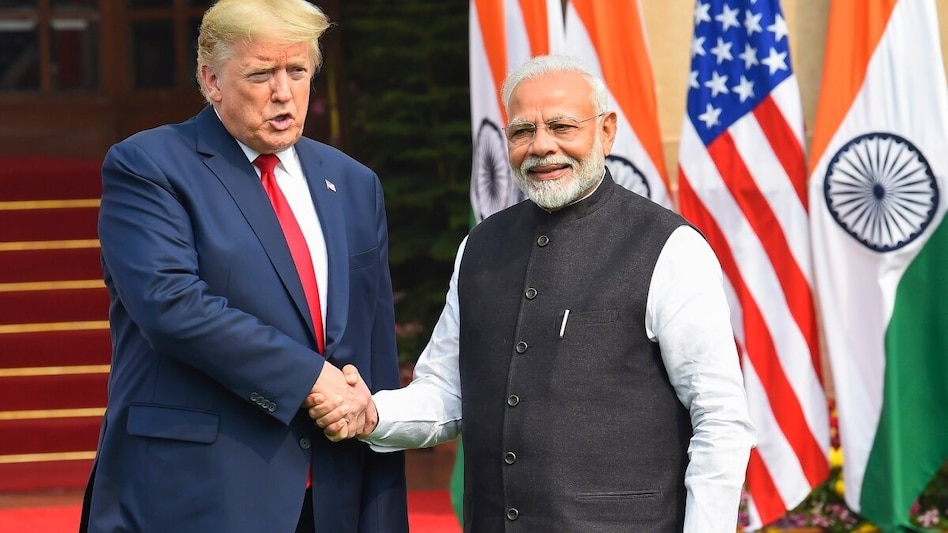
India scored a big win with the US slashing tariffs on its goods from 50% to just 18%. President Donald Trump announced this after chatting with Prime Minister Narendra Modi. It removes a penalty tied to India's Russian oil buys and keeps a simpler "you-go-I-go" tariff rate. This puts India in a comfy spot, not the lowest like top US allies, but better than many Asian rivals.
But as the announcement travels fast across markets and ministries, it also raises a basic question that often gets lost in the excitement: is this a trade deal, or a trade agreement?
Trade deal vs Trade agreement
A trade deal and a trade agreement both facilitate international commerce but differ in scope, formality, and duration.
Trade agreements are comprehensive pacts between two or more countries (bilateral or multilateral) that reduce or eliminate tariffs, quotas, and other barriers on a wide range of goods, services, and, in some cases, investments, according to the Council on Foreign Relations. They establish long-term rules, such as free trade areas or common markets, and require ratification by legislatures.
Trade deals, by contrast, refer to narrower, often short-term negotiations or executive understandings focused on specific issues, such as tariffs on select products.
Deal vs. Agreement: Candy Swap Style
Think of countries as kids sharing candy.
-
Trade Deal = Quick promise: "You give me blue candy, I'll give red, now!" It's fast news, like Trump's announcement. Leaders hype it for cheers, but details like exact candies (products), dates, and fight rules are fuzzy. No big paper yet.
-
Trade Agreement = Signed rulebook: "Swap daily, list every candy, Mom (Congress) approves." Full legal text covers tariffs, services, fights, and lasts for years. Needs votes, like USMCA.
Why the Distinction Matters for India-US
Right now, Trump's move is a textbook trade deal, a political win that unlocks immediate benefits without waiting for full negotiations. Indian businesses can celebrate lower costs entering the US, giving them an edge over pricier Asian competitors. But here's what to watch for as it evolves into a potential agreement:
-
Product Coverage: Which goods get the 18% rate? Is it broad (like steel, IT hardware) or selective?
-
Timelines and Exceptions: When does it kick in? Any carve-outs for sensitive items?
-
Enforcement: How do countries handle disputes? Is there a formal panel?
That distinction matters because while a trade deal can deliver an immediate headline outcome, like an 18% tariff rate, a trade agreement is typically the more formal, detailed and legally-binding package that follows, spelling out exactly what applies, when it applies, and how it will be enforced.
India scored a big win with the US slashing tariffs on its goods from 50% to just 18%. President Donald Trump announced this after chatting with Prime Minister Narendra Modi. It removes a penalty tied to India's Russian oil buys and keeps a simpler "you-go-I-go" tariff rate. This puts India in a comfy spot, not the lowest like top US allies, but better than many Asian rivals.
But as the announcement travels fast across markets and ministries, it also raises a basic question that often gets lost in the excitement: is this a trade deal, or a trade agreement?
Trade deal vs Trade agreement
A trade deal and a trade agreement both facilitate international commerce but differ in scope, formality, and duration.
Trade agreements are comprehensive pacts between two or more countries (bilateral or multilateral) that reduce or eliminate tariffs, quotas, and other barriers on a wide range of goods, services, and, in some cases, investments, according to the Council on Foreign Relations. They establish long-term rules, such as free trade areas or common markets, and require ratification by legislatures.
Trade deals, by contrast, refer to narrower, often short-term negotiations or executive understandings focused on specific issues, such as tariffs on select products.
Deal vs. Agreement: Candy Swap Style
Think of countries as kids sharing candy.
-
Trade Deal = Quick promise: "You give me blue candy, I'll give red, now!" It's fast news, like Trump's announcement. Leaders hype it for cheers, but details like exact candies (products), dates, and fight rules are fuzzy. No big paper yet.
-
Trade Agreement = Signed rulebook: "Swap daily, list every candy, Mom (Congress) approves." Full legal text covers tariffs, services, fights, and lasts for years. Needs votes, like USMCA.
Why the Distinction Matters for India-US
Right now, Trump's move is a textbook trade deal, a political win that unlocks immediate benefits without waiting for full negotiations. Indian businesses can celebrate lower costs entering the US, giving them an edge over pricier Asian competitors. But here's what to watch for as it evolves into a potential agreement:
-
Product Coverage: Which goods get the 18% rate? Is it broad (like steel, IT hardware) or selective?
-
Timelines and Exceptions: When does it kick in? Any carve-outs for sensitive items?
-
Enforcement: How do countries handle disputes? Is there a formal panel?
That distinction matters because while a trade deal can deliver an immediate headline outcome, like an 18% tariff rate, a trade agreement is typically the more formal, detailed and legally-binding package that follows, spelling out exactly what applies, when it applies, and how it will be enforced.