
US' 18% tariff for India: Where Trump’s tariff rate places New Delhi versus China, EU, Southeast Asia
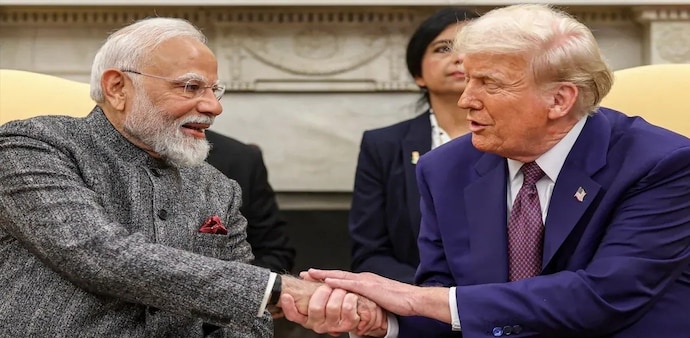
Trump said the deal reduces tariffs on Indian goods from 50 per cent to 18 per cent, after what he described as a conversation with Prime Minister Narendra Modi.
- Feb 3, 2026,
- Updated Feb 3, 2026 10:13 AM IST
India has landed at an 18 per cent tariff rate under US President Donald Trump’s latest trade agreement announcement, a number that places New Delhi in a mid-tier bracket when stacked against other countries facing US import duties, and gives it a clearer competitive advantage over several regional export rivals.
Trump said the deal reduces tariffs on Indian goods from 50 per cent to 18 per cent, after what he described as a conversation with Prime Minister Narendra Modi. The earlier 50 per cent levy included a 25 per cent reciprocal tariff and an additional 25 per cent import duty linked to India’s purchase of Russian crude oil. A White House official told Reuters that the US has withdrawn the punitive duty connected to Russian oil imports, leaving only the revised reciprocal tariff in place.
India vs the high-tariff economies
At 18 per cent, India now sits well below some of the highest tariff-hit economies listed in the White House comparison.
Countries facing higher tariffs include:
-
Brazil: 50 per cent
Advertisement -
China: 37 per cent
-
South Africa: 30 per cent
-
Myanmar: 40 per cent
-
Laos: 40 per cent
That gap is significant because it places India at a lower tariff burden than some of the world’s biggest exporters and major emerging market competitors, especially China, which remains at 37 per cent.
India vs US allies with lower tariffs
India’s 18 per cent rate, however, is still above several US allies and advanced economies that have secured a lower bracket.
Countries and blocs facing lower tariffs include:
-
European Union: 15 per cent
-
Japan: 15 per cent
-
South Korea: 15 per cent
-
Switzerland: 15 per cent
-
United Kingdom: 10 per cent
Advertisement
This means India is not yet in the lowest band, but closer to it than many competitors.
India vs Southeast Asia and Pakistan
In the immediate neighbourhood of export competition, India’s 18 per cent rate improves its standing against multiple Southeast Asian economies.
Comparable tariff rates include:
-
Bangladesh: 20 per cent
-
Vietnam: 20 per cent
-
Malaysia: 19 per cent
-
Cambodia: 19 per cent
-
Thailand: 19 per cent
-
Pakistan: 19 per cent
That positions India below Bangladesh and Vietnam, and one point lower than Pakistan, while remaining slightly better placed than several countries clustered at 19–20 per cent.
India has landed at an 18 per cent tariff rate under US President Donald Trump’s latest trade agreement announcement, a number that places New Delhi in a mid-tier bracket when stacked against other countries facing US import duties, and gives it a clearer competitive advantage over several regional export rivals.
Trump said the deal reduces tariffs on Indian goods from 50 per cent to 18 per cent, after what he described as a conversation with Prime Minister Narendra Modi. The earlier 50 per cent levy included a 25 per cent reciprocal tariff and an additional 25 per cent import duty linked to India’s purchase of Russian crude oil. A White House official told Reuters that the US has withdrawn the punitive duty connected to Russian oil imports, leaving only the revised reciprocal tariff in place.
India vs the high-tariff economies
At 18 per cent, India now sits well below some of the highest tariff-hit economies listed in the White House comparison.
Countries facing higher tariffs include:
-
Brazil: 50 per cent
Advertisement -
China: 37 per cent
-
South Africa: 30 per cent
-
Myanmar: 40 per cent
-
Laos: 40 per cent
That gap is significant because it places India at a lower tariff burden than some of the world’s biggest exporters and major emerging market competitors, especially China, which remains at 37 per cent.
India vs US allies with lower tariffs
India’s 18 per cent rate, however, is still above several US allies and advanced economies that have secured a lower bracket.
Countries and blocs facing lower tariffs include:
-
European Union: 15 per cent
-
Japan: 15 per cent
-
South Korea: 15 per cent
-
Switzerland: 15 per cent
-
United Kingdom: 10 per cent
Advertisement
This means India is not yet in the lowest band, but closer to it than many competitors.
India vs Southeast Asia and Pakistan
In the immediate neighbourhood of export competition, India’s 18 per cent rate improves its standing against multiple Southeast Asian economies.
Comparable tariff rates include:
-
Bangladesh: 20 per cent
-
Vietnam: 20 per cent
-
Malaysia: 19 per cent
-
Cambodia: 19 per cent
-
Thailand: 19 per cent
-
Pakistan: 19 per cent
That positions India below Bangladesh and Vietnam, and one point lower than Pakistan, while remaining slightly better placed than several countries clustered at 19–20 per cent.