
West Bengal elections: State assembly met 166 days in last 5 years; study shows low scrutiny, fast lawmaking
As West Bengal heads into Assembly elections, how the outgoing House functioned is coming under sharper focus. A PRS Legislative Research analysis shows fewer sittings, shorter debates, and faster lawmaking during the 2011–2026 term.
- Apr 22, 2026,
- Updated Apr 22, 2026 8:06 PM IST
West Bengal will vote in the first phase of its assembly elections on Thursday, with polling slated across 152 constituencies spanning north Bengal and parts of southern districts. The phase includes key regions such as Siliguri, Darjeeling, and Jalpaiguri. As West Bengal heads into Assembly elections on April 23 and 29, 2026, a data analysis showed that the Assembly met for a total of 166 days during this period, averaging about 33 sitting days per year.
An analysis by PRS Legislative Research of the 17th Legislative Assembly (May 2021–March 2026) offered key insights into how the House functioned over the past five years. The data points to a clear trend—fewer sittings, shorter discussions, and faster decision-making.
According to PRS, this marks a decline compared to earlier years. In addition, the average duration of each sitting was around 2.5 hours, significantly lower than the six hours prescribed under Assembly rules. This suggests that both the frequency and depth of legislative engagement have reduced over time.
Bills passed quickly, limited scrutiny
Lawmaking during this period was notably swift. PRS data shows that 74 Bills were introduced between 2021 and 2026, and 91% of them were passed on the same day they were introduced. Only a small proportion of Bills were discussed beyond the day of introduction, indicating limited legislative debate.
A key concern flagged by PRS is the absence of committee scrutiny. No Bill was referred to a committee during the entire term, reducing opportunities for detailed examination, stakeholder consultation, and technical review. While this accelerated the legislative process, it also meant fewer institutional checks.
In terms of final approval, most Bills moved quickly. A Bill becomes an Act after it is passed by the Assembly and receives the Governor’s assent. During the tenure of the 17th Assembly, 62% of Bills were granted assent within three months of being passed.
However, some Bills took longer. Those delayed beyond three months included amendments to university laws aimed at shifting certain administrative powers from the Governor to the state government.
In a few cases, the delay extended significantly, with three Bills taking over a year to receive assent. These included a proposal to reduce the number of councillors in the Howrah Municipal Corporation from 66 to 50, and another transferring the authority to appoint the Chairman and members of the Taxation Tribunal from the Governor to the state government.
MUST READ: West Bengal elections 2026: What prediction markets reveal about BJP vs TMC close contest
Budget discussions
Budget scrutiny also appeared constrained. According to PRS, the state budget was discussed for an average of about six days, including general discussions and debates on departmental expenditures. Typically, general discussions lasted around two days, followed by about five days of expenditure-related debates.
Despite this, the depth of discussion remained limited. PRS data shows that less than 50% of the total expenditure was discussed before being passed, with some years seeing even lower levels of scrutiny. Overall, about 65% of the budget was approved without detailed discussion, raising concerns about the extent of financial oversight exercised by the Assembly.
West Bengal elections
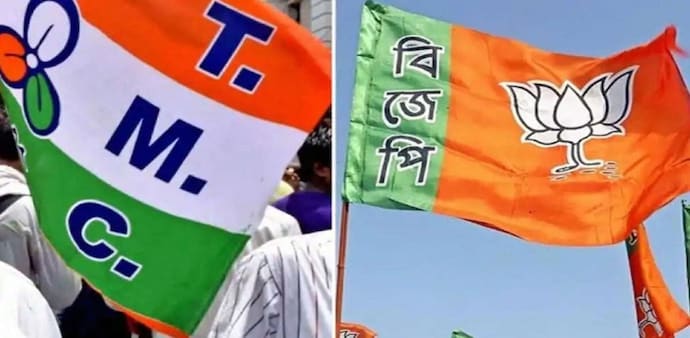
West Bengal is heading into a high-stakes assembly election, with major parties entering the contest with distinct strengths and challenges. The ruling Trinamool Congress (TMC), led by Chief Minister Mamata Banerjee, remains the dominant force after its 2021 landslide victory, winning 213 of 294 seats with a 47.9% vote share. Its strong grassroots network and welfare schemes like Lakshmi Bhandar continue to anchor its support.
MUST READ: The Jhalmuri moment: What’s driving the craze and how PM Modi’s pit stop fueled the buzz
The Bharatiya Janata Party (BJP), now the principal opposition, is looking to challenge TMC’s dominance. Despite winning 77 seats in 2021, it improved its performance in the 2024 Lok Sabha elections, securing 12 seats, and is aiming to expand its voter base.
Congress continues to struggle with weak leadership and limited presence, while CPI(M) is attempting a revival through outreach campaigns. Smaller parties like ISF, AIMIM, and AJUP are also in the fray.
West Bengal will vote in the first phase of its assembly elections on Thursday, with polling slated across 152 constituencies spanning north Bengal and parts of southern districts. The phase includes key regions such as Siliguri, Darjeeling, and Jalpaiguri. As West Bengal heads into Assembly elections on April 23 and 29, 2026, a data analysis showed that the Assembly met for a total of 166 days during this period, averaging about 33 sitting days per year.
An analysis by PRS Legislative Research of the 17th Legislative Assembly (May 2021–March 2026) offered key insights into how the House functioned over the past five years. The data points to a clear trend—fewer sittings, shorter discussions, and faster decision-making.
According to PRS, this marks a decline compared to earlier years. In addition, the average duration of each sitting was around 2.5 hours, significantly lower than the six hours prescribed under Assembly rules. This suggests that both the frequency and depth of legislative engagement have reduced over time.
Bills passed quickly, limited scrutiny
Lawmaking during this period was notably swift. PRS data shows that 74 Bills were introduced between 2021 and 2026, and 91% of them were passed on the same day they were introduced. Only a small proportion of Bills were discussed beyond the day of introduction, indicating limited legislative debate.
A key concern flagged by PRS is the absence of committee scrutiny. No Bill was referred to a committee during the entire term, reducing opportunities for detailed examination, stakeholder consultation, and technical review. While this accelerated the legislative process, it also meant fewer institutional checks.
In terms of final approval, most Bills moved quickly. A Bill becomes an Act after it is passed by the Assembly and receives the Governor’s assent. During the tenure of the 17th Assembly, 62% of Bills were granted assent within three months of being passed.
However, some Bills took longer. Those delayed beyond three months included amendments to university laws aimed at shifting certain administrative powers from the Governor to the state government.
In a few cases, the delay extended significantly, with three Bills taking over a year to receive assent. These included a proposal to reduce the number of councillors in the Howrah Municipal Corporation from 66 to 50, and another transferring the authority to appoint the Chairman and members of the Taxation Tribunal from the Governor to the state government.
MUST READ: West Bengal elections 2026: What prediction markets reveal about BJP vs TMC close contest
Budget discussions
Budget scrutiny also appeared constrained. According to PRS, the state budget was discussed for an average of about six days, including general discussions and debates on departmental expenditures. Typically, general discussions lasted around two days, followed by about five days of expenditure-related debates.
Despite this, the depth of discussion remained limited. PRS data shows that less than 50% of the total expenditure was discussed before being passed, with some years seeing even lower levels of scrutiny. Overall, about 65% of the budget was approved without detailed discussion, raising concerns about the extent of financial oversight exercised by the Assembly.
West Bengal elections
West Bengal is heading into a high-stakes assembly election, with major parties entering the contest with distinct strengths and challenges. The ruling Trinamool Congress (TMC), led by Chief Minister Mamata Banerjee, remains the dominant force after its 2021 landslide victory, winning 213 of 294 seats with a 47.9% vote share. Its strong grassroots network and welfare schemes like Lakshmi Bhandar continue to anchor its support.
MUST READ: The Jhalmuri moment: What’s driving the craze and how PM Modi’s pit stop fueled the buzz
The Bharatiya Janata Party (BJP), now the principal opposition, is looking to challenge TMC’s dominance. Despite winning 77 seats in 2021, it improved its performance in the 2024 Lok Sabha elections, securing 12 seats, and is aiming to expand its voter base.
Congress continues to struggle with weak leadership and limited presence, while CPI(M) is attempting a revival through outreach campaigns. Smaller parties like ISF, AIMIM, and AJUP are also in the fray.