
Delhi to Jewar Airport in 21 minutes? Govt clears plan for high-speed rail link
The Uttar Pradesh government has approved the DPR for a proposed high-speed Regional Rapid Transit System (RRTS) corridor linking Delhi with Noida International Airport at Jewar. If cleared by the Centre, the route could reduce travel time between Delhi and the airport to just 21 minutes.
- May 22, 2026,
- Updated May 22, 2026 3:53 PM IST
The Uttar Pradesh government has approved the Detailed Project Report (DPR) for a proposed Regional Rapid Transit System (RRTS) corridor connecting Delhi with the upcoming Noida International Airport at Jewar. The high-speed transit route is expected to significantly improve connectivity and reduce travel time between Delhi and the airport to nearly 21 minutes.
Following approval from the state cabinet, the DPR has now been sent to the Ministry of Housing and Urban Affairs (MoHUA) for final clearance from the Centre. If approved, the corridor could become a major addition to the National Capital Region’s fast-evolving transport infrastructure network.
Delhi–Jewar Airport RRTS corridor
The proposed Delhi–Jewar Airport RRTS corridor is expected to function on the lines of the Namo Bharat rapid rail system currently operating on the Delhi-Meerut route. The trains are designed for top speeds of up to 180 kmph and can operate at a maximum speed of 160 kmph.
At present, the Delhi-Meerut Namo Bharat corridor remains India’s only operational RRTS line. The 82.15-km route connects Sarai Kale Khan in Delhi with Modipuram in Uttar Pradesh and serves as the country’s first example of regional high-speed urban transit.
According to Uttar Pradesh Industrial Development Minister Nand Gopal Gupta, the DPR has also proposed integrating the Delhi-Jewar RRTS with the upcoming Delhi-Varanasi high-speed rail project through a dedicated station at the airport terminal. Such a move could create an integrated transport network linking air travel with high-speed rail infrastructure.
Airport connectivity
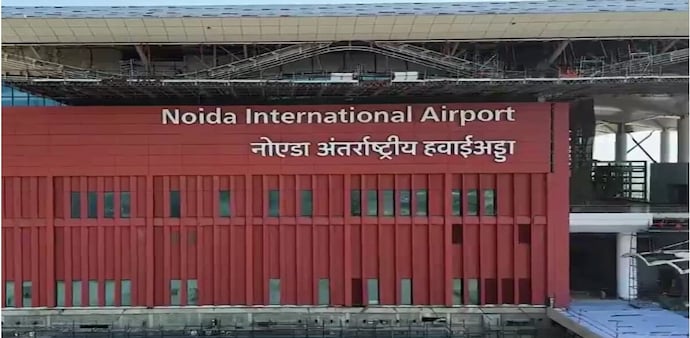
The development comes as Noida International Airport prepares for flight operations, which are expected to commence on June 15. Prime Minister Narendra Modi had inaugurated the airport project on March 28 earlier this year.
MUST READ: Are Indian equities replacing real estate as the top wealth choice for Gulf NRIs now?
Officials expect the new airport to emerge as a major aviation and logistics hub in North India, making efficient connectivity critical for passengers and businesses.
Faster infrastructure execution
In a post on X, Minister Gupta said a high-level meeting reviewed the “overall and planned development” of the Yamuna Expressway Industrial Development Authority (YEIDA) region, with a particular emphasis on connectivity projects linked to Jewar Airport.
“Special prominence was placed on accelerating necessary infrastructural development works to further enhance and streamline the connectivity of the Jewar Airport,” Gupta said.
MUST READ: Have money? You can now bid for India’s highway projects
The minister also instructed officials to remove legal and administrative bottlenecks affecting development works. Departments were directed to improve transparency and simplify compensation mechanisms and No Objection Certificate (NOC) procedures for residents and farmers.
Cargo and industrial growth
The Yamuna Expressway region is also expected to see rapid industrial expansion after the airport becomes operational. Officials said the region is being integrated with key transport corridors, including the Agra-Lucknow Expressway, Bundelkhand Expressway, Ganga Expressway, Delhi-Mumbai Expressway and Purvanchal Expressway.
Several industrial and manufacturing projects planned for the region were also reviewed during the meeting, underlining the government’s broader vision of transforming the area into a logistics and industrial growth hub.
MUST READ: Delhi to Dehradun in just 2.5 hours! PM Modi to inaugurate economic corridor today
FAQs
- +−
What is the proposed Delhi–Jewar Airport RRTS corridor?
The proposed Delhi–Jewar Airport RRTS corridor is a high-speed regional transit link planned to connect Delhi with the upcoming Noida International Airport at Jewar. It is expected to improve airport connectivity and become an important part of the NCR transport network.
- +−
How much travel time can the Delhi to Jewar Airport RRTS save?
As per the approved DPR, the RRTS corridor could reduce travel time between Delhi and Noida International Airport to around 21 minutes, making airport access much faster for passengers.
- +−
What is the current status of the Delhi–Jewar Airport RRTS project?
The Uttar Pradesh government has approved the Detailed Project Report for the corridor. The proposal has now been sent to the Ministry of Housing and Urban Affairs for final approval from the Centre.
- +−
Will the Delhi–Jewar RRTS be linked with any other major transport project?
Yes, the DPR proposes integration of the Delhi–Jewar RRTS with the upcoming Delhi–Varanasi high-speed rail project through a dedicated station at the airport terminal. This can help connect air travel with high-speed rail services.
- +−
Why is the Jewar Airport connectivity project important for the region?
The project is important because Noida International Airport is expected to become a major aviation and logistics hub in North India. Better connectivity can support passengers, cargo movement, industrial development and growth in the Yamuna Expressway region.
The Uttar Pradesh government has approved the Detailed Project Report (DPR) for a proposed Regional Rapid Transit System (RRTS) corridor connecting Delhi with the upcoming Noida International Airport at Jewar. The high-speed transit route is expected to significantly improve connectivity and reduce travel time between Delhi and the airport to nearly 21 minutes.
Following approval from the state cabinet, the DPR has now been sent to the Ministry of Housing and Urban Affairs (MoHUA) for final clearance from the Centre. If approved, the corridor could become a major addition to the National Capital Region’s fast-evolving transport infrastructure network.
Delhi–Jewar Airport RRTS corridor
The proposed Delhi–Jewar Airport RRTS corridor is expected to function on the lines of the Namo Bharat rapid rail system currently operating on the Delhi-Meerut route. The trains are designed for top speeds of up to 180 kmph and can operate at a maximum speed of 160 kmph.
At present, the Delhi-Meerut Namo Bharat corridor remains India’s only operational RRTS line. The 82.15-km route connects Sarai Kale Khan in Delhi with Modipuram in Uttar Pradesh and serves as the country’s first example of regional high-speed urban transit.
According to Uttar Pradesh Industrial Development Minister Nand Gopal Gupta, the DPR has also proposed integrating the Delhi-Jewar RRTS with the upcoming Delhi-Varanasi high-speed rail project through a dedicated station at the airport terminal. Such a move could create an integrated transport network linking air travel with high-speed rail infrastructure.
Airport connectivity
The development comes as Noida International Airport prepares for flight operations, which are expected to commence on June 15. Prime Minister Narendra Modi had inaugurated the airport project on March 28 earlier this year.
MUST READ: Are Indian equities replacing real estate as the top wealth choice for Gulf NRIs now?
Officials expect the new airport to emerge as a major aviation and logistics hub in North India, making efficient connectivity critical for passengers and businesses.
Faster infrastructure execution
In a post on X, Minister Gupta said a high-level meeting reviewed the “overall and planned development” of the Yamuna Expressway Industrial Development Authority (YEIDA) region, with a particular emphasis on connectivity projects linked to Jewar Airport.
“Special prominence was placed on accelerating necessary infrastructural development works to further enhance and streamline the connectivity of the Jewar Airport,” Gupta said.
MUST READ: Have money? You can now bid for India’s highway projects
The minister also instructed officials to remove legal and administrative bottlenecks affecting development works. Departments were directed to improve transparency and simplify compensation mechanisms and No Objection Certificate (NOC) procedures for residents and farmers.
Cargo and industrial growth
The Yamuna Expressway region is also expected to see rapid industrial expansion after the airport becomes operational. Officials said the region is being integrated with key transport corridors, including the Agra-Lucknow Expressway, Bundelkhand Expressway, Ganga Expressway, Delhi-Mumbai Expressway and Purvanchal Expressway.
Several industrial and manufacturing projects planned for the region were also reviewed during the meeting, underlining the government’s broader vision of transforming the area into a logistics and industrial growth hub.
MUST READ: Delhi to Dehradun in just 2.5 hours! PM Modi to inaugurate economic corridor today