
Cough syrup deaths: Is India’s drug quality oversight failing?
Cough syrup deaths: In an advisory issued Monday, the CDSCO instructed that every batch of both active and inactive pharmaceutical ingredients must be tested before use.
- Oct 9, 2025,
- Updated Oct 9, 2025 11:57 AM IST
The recent deaths of children in Chhindwara, Madhya Pradesh, allegedly caused by contaminated cough syrups, have jolted India’s pharmaceutical regulators into action.
The Central Drugs Standard Control Organisation (CDSCO) has directed all state and Union Territory drug controllers to enforce strict compliance with drug testing norms under the Drugs Rules, 1945.
In an advisory issued Monday, the CDSCO instructed that every batch of both active and inactive pharmaceutical ingredients must be tested before use. Inspections revealed several manufacturers were not conducting batch-wise testing, raising concerns about drug quality lapses.
“As per Drugs Rules, the licensee shall either in his own laboratory or in any approved laboratory test each batch or lot of raw material used for manufacture, as well as the final product,” the circular stated, citing Rules 74(c) and 78(c)(ii).
Pressure mounting on India to strengthen drug quality
The renewed compliance drive comes amid growing scrutiny of India’s pharmaceutical exports after contaminated cough syrups were linked to child deaths abroad. In 2022 and 2023, Indian drugmakers faced global criticism after syrups allegedly caused more than 140 child deaths in Gambia, Uzbekistan, and Cameroon. WHO investigations later found toxic industrial solvents, diethylene glycol (DEG) and ethylene glycol (EG), in tested samples.
India, dubbed the “pharmacy of the world,” exports medicines worth over $25 billion annually to more than 200 countries and faces pressure to restore global confidence in its pharmaceutical products.
Recent studies highlight the risk. A February 19, 2025, study by the Kelley School of Business at Indiana University found that generic drugs produced in India are associated with a 54% higher rate of severe adverse events, such as hospitalization, disability, and death, compared to U.S.-made equivalents.
WHO also estimates that more than one in ten medicines in low- and middle-income countries are substandard or falsified, underscoring the need for urgent regulatory reforms.
Who is responsible?
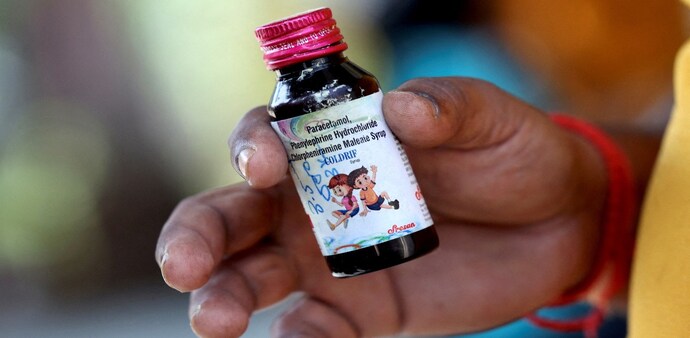
This time Sresan Pharmaceuticals, based in Kancheepuram, Tamil Nadu, manufactured the cough syrups Coldrif and Cofral, both of which have been linked to the deaths of children in Madhya Pradesh. Investigations found that these syrups contained toxic levels of diethylene glycol (DEG), far above the permissible limits.
The company’s manufacturing facility was reportedly operating under unsanitary conditions, with rusted equipment and lapses in quality control.
In response, the Tamil Nadu Drugs Control Department issued a show-cause notice, sealed the plant, and the owner, G. Ranganathan, was arrested. The incident has prompted authorities across multiple states to inspect other cough syrup manufacturers and issue public warnings, highlighting serious gaps in drug safety and regulatory enforcement.
Meanwhile, the Indian Medical Association (IMA) criticised the arrest of a paediatrician linked to the deaths, calling it “legally flawed” and indicative of deeper regulatory failures.
In a letter to Union Health Minister Jagat Prakash Nadda, IMA National President Dr. Dilip Bhanushali said the medical fraternity was “deeply anguished and alarmed” by the incident and the decision to criminalise a doctor who prescribed a government-approved drug in good faith.
The IMA maintained that the tragedy stemmed from lapses in manufacturing and regulatory supervision, not medical negligence, and warned that punitive actions against doctors could discourage the prescription of affordable generics.
The association has proposed reforms to strengthen India’s drug quality framework, including expanding regulatory manpower, upgrading laboratories, mandating batch testing of raw materials, implementing a national recall policy, and conducting risk-based audits of non-compliant manufacturers.
“The regulatory system must take responsibility for lapses that allow toxic, substandard drugs to reach patients,” said Dr. Bhanushali. “A strong and credible drug control mechanism is the foundation of safe patient care.”
The IMA urged the government to withdraw the case against the arrested doctor and focus enforcement on manufacturers and regulators responsible for the quality failure, offering to work with the Health Ministry to implement reforms that strengthen patient safety and public trust in India’s medicines.
The recent deaths of children in Chhindwara, Madhya Pradesh, allegedly caused by contaminated cough syrups, have jolted India’s pharmaceutical regulators into action.
The Central Drugs Standard Control Organisation (CDSCO) has directed all state and Union Territory drug controllers to enforce strict compliance with drug testing norms under the Drugs Rules, 1945.
In an advisory issued Monday, the CDSCO instructed that every batch of both active and inactive pharmaceutical ingredients must be tested before use. Inspections revealed several manufacturers were not conducting batch-wise testing, raising concerns about drug quality lapses.
“As per Drugs Rules, the licensee shall either in his own laboratory or in any approved laboratory test each batch or lot of raw material used for manufacture, as well as the final product,” the circular stated, citing Rules 74(c) and 78(c)(ii).
Pressure mounting on India to strengthen drug quality
The renewed compliance drive comes amid growing scrutiny of India’s pharmaceutical exports after contaminated cough syrups were linked to child deaths abroad. In 2022 and 2023, Indian drugmakers faced global criticism after syrups allegedly caused more than 140 child deaths in Gambia, Uzbekistan, and Cameroon. WHO investigations later found toxic industrial solvents, diethylene glycol (DEG) and ethylene glycol (EG), in tested samples.
India, dubbed the “pharmacy of the world,” exports medicines worth over $25 billion annually to more than 200 countries and faces pressure to restore global confidence in its pharmaceutical products.
Recent studies highlight the risk. A February 19, 2025, study by the Kelley School of Business at Indiana University found that generic drugs produced in India are associated with a 54% higher rate of severe adverse events, such as hospitalization, disability, and death, compared to U.S.-made equivalents.
WHO also estimates that more than one in ten medicines in low- and middle-income countries are substandard or falsified, underscoring the need for urgent regulatory reforms.
Who is responsible?
This time Sresan Pharmaceuticals, based in Kancheepuram, Tamil Nadu, manufactured the cough syrups Coldrif and Cofral, both of which have been linked to the deaths of children in Madhya Pradesh. Investigations found that these syrups contained toxic levels of diethylene glycol (DEG), far above the permissible limits.
The company’s manufacturing facility was reportedly operating under unsanitary conditions, with rusted equipment and lapses in quality control.
In response, the Tamil Nadu Drugs Control Department issued a show-cause notice, sealed the plant, and the owner, G. Ranganathan, was arrested. The incident has prompted authorities across multiple states to inspect other cough syrup manufacturers and issue public warnings, highlighting serious gaps in drug safety and regulatory enforcement.
Meanwhile, the Indian Medical Association (IMA) criticised the arrest of a paediatrician linked to the deaths, calling it “legally flawed” and indicative of deeper regulatory failures.
In a letter to Union Health Minister Jagat Prakash Nadda, IMA National President Dr. Dilip Bhanushali said the medical fraternity was “deeply anguished and alarmed” by the incident and the decision to criminalise a doctor who prescribed a government-approved drug in good faith.
The IMA maintained that the tragedy stemmed from lapses in manufacturing and regulatory supervision, not medical negligence, and warned that punitive actions against doctors could discourage the prescription of affordable generics.
The association has proposed reforms to strengthen India’s drug quality framework, including expanding regulatory manpower, upgrading laboratories, mandating batch testing of raw materials, implementing a national recall policy, and conducting risk-based audits of non-compliant manufacturers.
“The regulatory system must take responsibility for lapses that allow toxic, substandard drugs to reach patients,” said Dr. Bhanushali. “A strong and credible drug control mechanism is the foundation of safe patient care.”
The IMA urged the government to withdraw the case against the arrested doctor and focus enforcement on manufacturers and regulators responsible for the quality failure, offering to work with the Health Ministry to implement reforms that strengthen patient safety and public trust in India’s medicines.