
IndiGo board may undertake detailed review of fuel hedging policy: CEO Willie Walsh
Willie Walsh pointed out that major Asian carriers typically hedge around 40% of their fuel requirements, while European airlines hedge between 70% and 80%
- Nov 2, 2026,
- Updated Nov 2, 2026 5:12 PM IST
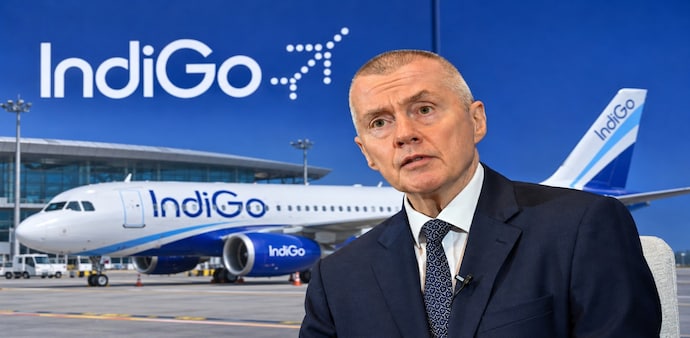
IndiGo may take a comprehensive review of its fuel hedging policy amid a sharp increase in aviation turbine fuel (ATF) costs, with the airline's board expected to revisit the matter after a detailed assessment, CEO Willie Walsh said on Monday.
The airline, which currently does not hedge its fuel purchases, is evaluating whether it should adopt the practice as it prepares to expand its long-haul international operations and compete with global carriers that have varying degrees of fuel price protection.
"At the moment, we're not hedging and we're not planning to hedge until we've completed our comprehensive review," Walsh said at his first in-person media briefing since taking charge as IndiGo CEO in August.
He said the airline had discussed the issue with its board last week, which has committed to undertaking a more detailed review of hedging policies. Walsh pointed out that major Asian carriers typically hedge around 40% of their fuel requirements, while European airlines hedge between 70% and 80%.
However, he cautioned that hedging was fundamentally about managing risk rather than betting on future fuel prices. Since competing Indian domestic airlines were also not hedged, adopting such a strategy could introduce an additional competitive risk for IndiGo.
Explaining the pressure on fuel costs, Walsh said the premium on jet fuel over crude oil, known as the crack spread, had surged to around 65%, against its historical average of approximately 22% between 2000 and 2025. Disruptions to global refining capacity, particularly in jet fuel production, were contributing to elevated prices.
On international expansion, Walsh said IndiGo remained confident of its long-haul ambitions and expected to receive its first Airbus A350 aircraft in the second quarter of 2028. The airline currently has 60 A350s on order.
Don't Miss | BT BIG STORY: Can 'slasher' Walsh steer IndiGo through cost turbulence?
The first 10 aircraft will feature a three-class configuration comprising 16 flat-bed business class seats, premium economy and economy. The airline is also considering increasing the number of business class seats in subsequent aircraft amid growing global demand for premium travel.
IndiGo currently operates four A321XLR aircraft, a number expected to increase to seven next year. The airline plans to use these aircraft to expand into Asian and select European markets.
Walsh also said IndiGo had reduced its operations by around 30 flights daily due to the situation in Saudi Arabia, although nearly its entire network had recovered. The airline would resume affected services when it was safe to do so.
Despite geopolitical disruptions and elevated fuel costs, Walsh said IndiGo remained committed to its long-term capacity growth plans.