
Chandrasekaran observes silence for Air India tragedy, outlines Tata Motors’ demerger plans at AGM
Chandrasekaran cautioned that economic cycles will continue to be marked by volatility, citing geopolitical conflicts, shifting supply chains, tariffs, AI disruption, and energy transition as key challenges.
- Jun 20, 2025,
- Updated Jun 20, 2025 5:15 PM IST
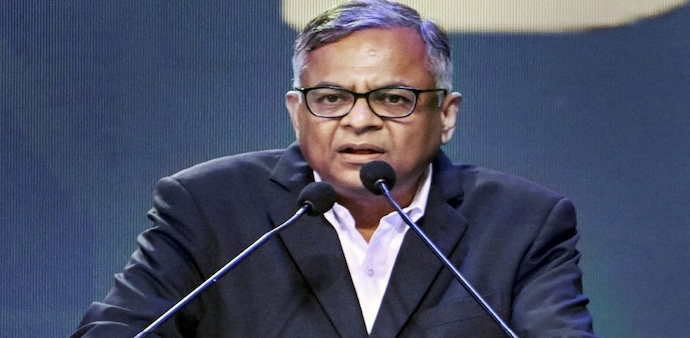
Tata Motors Chairman N Chandrasekaran announced that the company has become debt-free and will operate as two independent listed entities by the end of this calendar year. Addressing shareholders at the 80th Annual General Meeting (AGM) of Tata Motors Ltd. on June 20, Chandrasekaran began his speech with a moment of silence to honour the victims of the recent Air India Flight 171 tragedy. He also paid tribute to the late Ratan Tata, calling him a mentor and a leader whose values shaped the Tata Group.
Speaking about the demerger process, Chandrasekaran said that Tata Motors will soon be split into two listed companies — one focused on commercial vehicles (CV) and the other on passenger vehicles (PV) and Jaguar Land Rover (JLR). He noted that over the past few years, the company has significantly streamlined operations and strengthened each segment to operate independently, with dedicated leadership and clear strategic direction.
Highlighting the performance of the Commercial Vehicles segment, he said it generated ₹75,100 crore in revenue and a record EBITDA of ₹8,800 crore. The division delivered ₹7,500 crore in free cash flows and achieved a strong Return on Capital Employed (ROCE) of 37.7%. While the business gained market share in trucks and buses, Chandrasekaran acknowledged that the small commercial vehicle segment continues to underperform and remains a key focus area for the company in the coming year.
In the Passenger Vehicles segment, Tata Punch became India’s top-selling SUV, while CNG and EVs together accounted for 36% of the company's multi-powertrain portfolio. The PV business reported ₹48,445 crore in revenue and an EBIT of 0.9%, with an improvement in EBITDA margins by 40 basis points over FY24 driven by disciplined cost control and localisation efforts.
Jaguar Land Rover (JLR) delivered a robust performance with revenues of £28.9 billion and an EBIT of 8.5%, resulting in a pre-tax profit of £2.5 billion. JLR also turned net cash positive for the year. The continued strong demand for the Range Rover and Defender series contributed significantly to this growth. Chandrasekaran added that the company has begun local assembly of Range Rover and Range Rover Sport in India, making the iconic luxury brands more accessible to Indian consumers.
On a consolidated level, Tata Motors recorded its highest-ever revenue of ₹4,39,695 crore, an EBITDA of ₹57,649 crore, and a pre-tax profit (before exceptional items) of ₹34,330 crore in FY25. These figures marked a milestone, as the Tata Motors Group became debt-free during the year. Chandrasekaran shared that he had personally updated Ratan Tata on the PV business turnaround before his passing, and that Mr. Tata had expressed deep satisfaction with the progress, given his emotional connection to the company.
The Board has recommended a final dividend of ₹6 per ordinary share for FY25, subject to shareholder approval. Looking ahead, Chandrasekaran cautioned that economic cycles will continue to be marked by volatility, citing geopolitical conflicts, shifting supply chains, tariffs, AI disruption, and energy transition as key challenges. However, he expressed confidence in Tata Motors' preparedness to navigate this complex landscape, stating that the company’s simplified structure, bold strategic decisions, and strong financial health have positioned it to not just survive but thrive in the evolving global environment.
Tata Motors Chairman N Chandrasekaran announced that the company has become debt-free and will operate as two independent listed entities by the end of this calendar year. Addressing shareholders at the 80th Annual General Meeting (AGM) of Tata Motors Ltd. on June 20, Chandrasekaran began his speech with a moment of silence to honour the victims of the recent Air India Flight 171 tragedy. He also paid tribute to the late Ratan Tata, calling him a mentor and a leader whose values shaped the Tata Group.
Speaking about the demerger process, Chandrasekaran said that Tata Motors will soon be split into two listed companies — one focused on commercial vehicles (CV) and the other on passenger vehicles (PV) and Jaguar Land Rover (JLR). He noted that over the past few years, the company has significantly streamlined operations and strengthened each segment to operate independently, with dedicated leadership and clear strategic direction.
Highlighting the performance of the Commercial Vehicles segment, he said it generated ₹75,100 crore in revenue and a record EBITDA of ₹8,800 crore. The division delivered ₹7,500 crore in free cash flows and achieved a strong Return on Capital Employed (ROCE) of 37.7%. While the business gained market share in trucks and buses, Chandrasekaran acknowledged that the small commercial vehicle segment continues to underperform and remains a key focus area for the company in the coming year.
In the Passenger Vehicles segment, Tata Punch became India’s top-selling SUV, while CNG and EVs together accounted for 36% of the company's multi-powertrain portfolio. The PV business reported ₹48,445 crore in revenue and an EBIT of 0.9%, with an improvement in EBITDA margins by 40 basis points over FY24 driven by disciplined cost control and localisation efforts.
Jaguar Land Rover (JLR) delivered a robust performance with revenues of £28.9 billion and an EBIT of 8.5%, resulting in a pre-tax profit of £2.5 billion. JLR also turned net cash positive for the year. The continued strong demand for the Range Rover and Defender series contributed significantly to this growth. Chandrasekaran added that the company has begun local assembly of Range Rover and Range Rover Sport in India, making the iconic luxury brands more accessible to Indian consumers.
On a consolidated level, Tata Motors recorded its highest-ever revenue of ₹4,39,695 crore, an EBITDA of ₹57,649 crore, and a pre-tax profit (before exceptional items) of ₹34,330 crore in FY25. These figures marked a milestone, as the Tata Motors Group became debt-free during the year. Chandrasekaran shared that he had personally updated Ratan Tata on the PV business turnaround before his passing, and that Mr. Tata had expressed deep satisfaction with the progress, given his emotional connection to the company.
The Board has recommended a final dividend of ₹6 per ordinary share for FY25, subject to shareholder approval. Looking ahead, Chandrasekaran cautioned that economic cycles will continue to be marked by volatility, citing geopolitical conflicts, shifting supply chains, tariffs, AI disruption, and energy transition as key challenges. However, he expressed confidence in Tata Motors' preparedness to navigate this complex landscape, stating that the company’s simplified structure, bold strategic decisions, and strong financial health have positioned it to not just survive but thrive in the evolving global environment.