
Delhi govt backs private EVs as shared taxis to cut emissions, boost mobility
This initiative, discussed during a meeting attended by Delhi Chief Minister Rekha Gupta, representatives from automobile manufacturers, and aggregator firms such as Ola, Uber and Rapido, is expected to help reduce vehicular emissions, improve air quality,.
- Jan 3, 2026,
- Updated Jan 3, 2026 3:19 PM IST
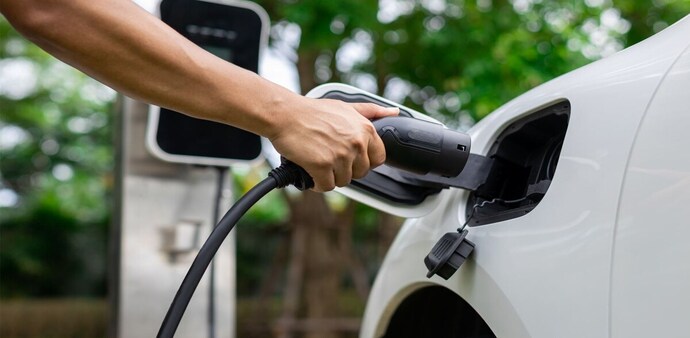
The Delhi government has agreed in principle to allow privately owned electric vehicles (EVs) to operate as shared taxis, marking a significant policy development aimed at accelerating the adoption of cleaner transport solutions. This initiative, discussed during a meeting attended by Delhi Chief Minister Rekha Gupta, representatives from automobile manufacturers, and aggregator firms such as Ola, Uber and Rapido, is expected to help reduce vehicular emissions, improve air quality, and provide more commuting options for city residents. The government plans to introduce regulatory amendments and facilitate collaboration with industry stakeholders, targeting a wider rollout of EV-based shared mobility in the near future.
During the meeting, Gupta highlighted the urgent need to curb pollution from the transport sector, which has been identified as a major contributor to Delhi’s air quality challenges. She said the government is promoting electric vehicles, shared mobility, e-rickshaws, shuttle services and women-friendly taxi models. Gupta also underscored the administration’s commitment to public welfare, stating that providing affordable, safe and environmentally friendly transport facilities will remain a top priority.
Gupta emphasised that effective and sustainable pollution control is possible only by reducing the number of vehicles on the roads. She added that active support from transport-related companies is essential for transforming the capital into “Viksit Delhi”. Automotive manufacturers at the meeting advocated a people-centric EV policy and full-scale deployment of electric vehicles as critical to achieving lasting environmental improvements.
Aggregator companies agreed to introduce shared taxi services, including rides operated by women drivers, within one month. They also indicated their readiness to onboard privately owned EVs and BS-VI vehicles as taxis, while noting that revisions to existing rules would be required to enable the move.
Gupta assured participants that the necessary regulatory changes would be made, while stressing that passenger safety measures must be strictly ensured by the companies. She encouraged firms to integrate e-rickshaws, consider shuttle services along key routes, and explore pilot projects to assess feasibility.
The government’s intent was formalised in an official statement confirming approval for privately owned EVs to operate as shared taxis. Gupta said the government would amend relevant rules and develop mechanisms to address industry concerns. She also asked participants to submit phased deployment plans and suggested pricing strategies to broaden consumer appeal.
The Delhi government has agreed in principle to allow privately owned electric vehicles (EVs) to operate as shared taxis, marking a significant policy development aimed at accelerating the adoption of cleaner transport solutions. This initiative, discussed during a meeting attended by Delhi Chief Minister Rekha Gupta, representatives from automobile manufacturers, and aggregator firms such as Ola, Uber and Rapido, is expected to help reduce vehicular emissions, improve air quality, and provide more commuting options for city residents. The government plans to introduce regulatory amendments and facilitate collaboration with industry stakeholders, targeting a wider rollout of EV-based shared mobility in the near future.
During the meeting, Gupta highlighted the urgent need to curb pollution from the transport sector, which has been identified as a major contributor to Delhi’s air quality challenges. She said the government is promoting electric vehicles, shared mobility, e-rickshaws, shuttle services and women-friendly taxi models. Gupta also underscored the administration’s commitment to public welfare, stating that providing affordable, safe and environmentally friendly transport facilities will remain a top priority.
Gupta emphasised that effective and sustainable pollution control is possible only by reducing the number of vehicles on the roads. She added that active support from transport-related companies is essential for transforming the capital into “Viksit Delhi”. Automotive manufacturers at the meeting advocated a people-centric EV policy and full-scale deployment of electric vehicles as critical to achieving lasting environmental improvements.
Aggregator companies agreed to introduce shared taxi services, including rides operated by women drivers, within one month. They also indicated their readiness to onboard privately owned EVs and BS-VI vehicles as taxis, while noting that revisions to existing rules would be required to enable the move.
Gupta assured participants that the necessary regulatory changes would be made, while stressing that passenger safety measures must be strictly ensured by the companies. She encouraged firms to integrate e-rickshaws, consider shuttle services along key routes, and explore pilot projects to assess feasibility.
The government’s intent was formalised in an official statement confirming approval for privately owned EVs to operate as shared taxis. Gupta said the government would amend relevant rules and develop mechanisms to address industry concerns. She also asked participants to submit phased deployment plans and suggested pricing strategies to broaden consumer appeal.