
Dr Reddy’s plans 'beyond-the-pill' strategy for Semaglutide
With multiple rivals set to enter the generic race, Dr Reddy’s lines up obesity centres, nutrition products and patient support alongside its Day 1 launch, focusing on market creation beyond pricing.
- Feb 19, 2026,
- Updated Feb 19, 2026 7:51 PM IST
Dr Reddy’s Laboratories is positioning itself for a long-term strategy in obesity and metabolic therapies, developing a broader GLP-1 pipeline and building a support ecosystem even as it prepares for a Day 1 launch of generic semaglutide in India. The company indicated that beyond the immediate semaglutide opportunity, it has multiple GLP-1 assets under development and is exploring innovations, including potential drug-device combinations.
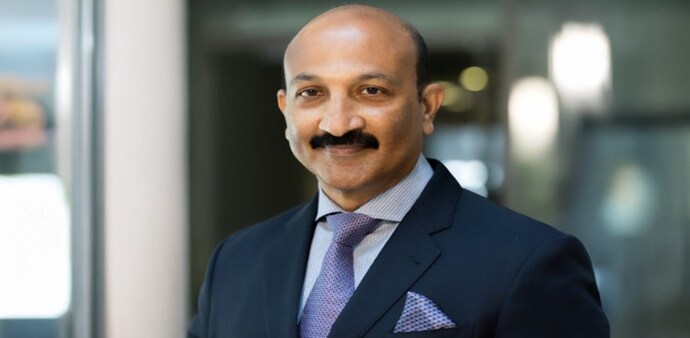
“Ensuring that we have the products that matter now and are expected to be the future standard of care, we have them in our R&D pipeline,” M V Ramana, CEO – Branded Markets (India & Emerging Markets), Dr Reddy’s Laboratories, told Business Today.
Alongside product development, the company is investing in market groundwork. Ramana said internal assessments were conducted to understand gaps at both doctor and patient levels before finalising the strategy. These included identifying awareness gaps among physicians, challenges patients face during treatment, issues around dose titration and side effects, and what happens when patients plateau during therapy. “The product alone is not the only need,” he said.
To address those gaps, Dr Reddy’s is working with the International Obesity Societies and plans to establish Obesity Centres of Excellence across India. These centres will focus on doctor education, evidence generation, and structured patient management. The company is also developing nutrition products tailored for GLP-1 users. “We are going beyond the pill,” Ramana said, adding that the approach includes patient onboarding, dose titration guidance and nutritional support.
The broader strategy comes as competition intensifies ahead of semaglutide’s patent expiry in March. The company has received regulatory approval in India and plans to launch the product immediately after expiry. “We would be launching the product on day one in India,” Ramana said.
Semaglutide, a GLP-1 receptor agonist used for the treatment of type 2 diabetes and obesity, has become one of the world’s best-selling metabolic therapies. Sold globally by Novo Nordisk under brands such as Ozempic and Wegovy, the drug has generated billions of dollars in annual revenue.
The launch comes as India’s diabetes drugs market is estimated at around $1.7 billion (approximately ₹14,000 crore) in 2024 and is expected to grow over the next five years, according to Mordor Intelligence. According to the latest National Family Health Survey (NFHS-5), nearly one in four Indian adults is overweight or obese.
With patent expiry, several domestic manufacturers are preparing to enter what could become one of the most competitive therapy segments in the country. Sun Pharma has indicated it will introduce its generic semaglutide under the brand names Noveltreat for chronic weight management and Sematrinity for diabetes following patent expiry and regulatory clearances.
Alkem Laboratories and Zydus Lifesciences have also secured approvals for generic semaglutide formulations and are expected to launch products. Companies such as Biocon and Cipla have indicated that they are evaluating launch and pricing strategies in the segment.
While pricing pressure is anticipated, Ramana said differentiation will come from product confidence and doctor engagement. “Companies that have confidence in the product that they have developed with the right clinical trials and all the tests that are required to give the confidence to the doctor, and companies that have field forces that have the confidence of the doctors would gain in this segment,” he said.
“In the case of diabetes, there is no hypoglycaemic effect. There is a good reduction of HbA1c, and it also has the advantage of weight management and organ protection,” Ramana said. He noted that around 590 million people globally live with diabetes, including roughly 100 million in India and about 135 million pre-diabetic patients. Globally, obesity affects nearly 1.5 billion people.
On pricing, Ramana indicated that the Indian market would remain competitive. “If it is not competitive, and being an out-of-pocket product, then the usage of the product would not be as much,” he said, noting that backward integration into API and formulation provides cost flexibility.
Industry observers expect prices to moderate once generics enter, potentially expanding access in India’s largely out-of-pocket healthcare system. Sheetal Sapale, Vice President, Commercial, Pharmarack, said generic entry typically leads to sharp price erosion in India. “Usually, prices come down to one-third to one-fifth of the innovator product. Monthly volumes increase three to five times for the first five to six months and then stabilise,” she said.
Ramana further said that globally, filings are underway in emerging markets and Canada, with larger markets such as the US and Europe expected to open later. “Over the next two years, markets will open up based on the speed at which the regulator can look at the dossiers,” he said.
While the company declined to provide revenue projections, Ramana described semaglutide as an important product within its broader growth framework that includes base business expansion, cost optimisation, pipeline development and business development. As the GLP-1 space becomes more crowded, innovation is expected to continue around dosing frequency, oral alternatives and side-effect profiles, he said.
Dr Reddy’s Laboratories is positioning itself for a long-term strategy in obesity and metabolic therapies, developing a broader GLP-1 pipeline and building a support ecosystem even as it prepares for a Day 1 launch of generic semaglutide in India. The company indicated that beyond the immediate semaglutide opportunity, it has multiple GLP-1 assets under development and is exploring innovations, including potential drug-device combinations.
“Ensuring that we have the products that matter now and are expected to be the future standard of care, we have them in our R&D pipeline,” M V Ramana, CEO – Branded Markets (India & Emerging Markets), Dr Reddy’s Laboratories, told Business Today.
Alongside product development, the company is investing in market groundwork. Ramana said internal assessments were conducted to understand gaps at both doctor and patient levels before finalising the strategy. These included identifying awareness gaps among physicians, challenges patients face during treatment, issues around dose titration and side effects, and what happens when patients plateau during therapy. “The product alone is not the only need,” he said.
To address those gaps, Dr Reddy’s is working with the International Obesity Societies and plans to establish Obesity Centres of Excellence across India. These centres will focus on doctor education, evidence generation, and structured patient management. The company is also developing nutrition products tailored for GLP-1 users. “We are going beyond the pill,” Ramana said, adding that the approach includes patient onboarding, dose titration guidance and nutritional support.
The broader strategy comes as competition intensifies ahead of semaglutide’s patent expiry in March. The company has received regulatory approval in India and plans to launch the product immediately after expiry. “We would be launching the product on day one in India,” Ramana said.
Semaglutide, a GLP-1 receptor agonist used for the treatment of type 2 diabetes and obesity, has become one of the world’s best-selling metabolic therapies. Sold globally by Novo Nordisk under brands such as Ozempic and Wegovy, the drug has generated billions of dollars in annual revenue.
The launch comes as India’s diabetes drugs market is estimated at around $1.7 billion (approximately ₹14,000 crore) in 2024 and is expected to grow over the next five years, according to Mordor Intelligence. According to the latest National Family Health Survey (NFHS-5), nearly one in four Indian adults is overweight or obese.
With patent expiry, several domestic manufacturers are preparing to enter what could become one of the most competitive therapy segments in the country. Sun Pharma has indicated it will introduce its generic semaglutide under the brand names Noveltreat for chronic weight management and Sematrinity for diabetes following patent expiry and regulatory clearances.
Alkem Laboratories and Zydus Lifesciences have also secured approvals for generic semaglutide formulations and are expected to launch products. Companies such as Biocon and Cipla have indicated that they are evaluating launch and pricing strategies in the segment.
While pricing pressure is anticipated, Ramana said differentiation will come from product confidence and doctor engagement. “Companies that have confidence in the product that they have developed with the right clinical trials and all the tests that are required to give the confidence to the doctor, and companies that have field forces that have the confidence of the doctors would gain in this segment,” he said.
“In the case of diabetes, there is no hypoglycaemic effect. There is a good reduction of HbA1c, and it also has the advantage of weight management and organ protection,” Ramana said. He noted that around 590 million people globally live with diabetes, including roughly 100 million in India and about 135 million pre-diabetic patients. Globally, obesity affects nearly 1.5 billion people.
On pricing, Ramana indicated that the Indian market would remain competitive. “If it is not competitive, and being an out-of-pocket product, then the usage of the product would not be as much,” he said, noting that backward integration into API and formulation provides cost flexibility.
Industry observers expect prices to moderate once generics enter, potentially expanding access in India’s largely out-of-pocket healthcare system. Sheetal Sapale, Vice President, Commercial, Pharmarack, said generic entry typically leads to sharp price erosion in India. “Usually, prices come down to one-third to one-fifth of the innovator product. Monthly volumes increase three to five times for the first five to six months and then stabilise,” she said.
Ramana further said that globally, filings are underway in emerging markets and Canada, with larger markets such as the US and Europe expected to open later. “Over the next two years, markets will open up based on the speed at which the regulator can look at the dossiers,” he said.
While the company declined to provide revenue projections, Ramana described semaglutide as an important product within its broader growth framework that includes base business expansion, cost optimisation, pipeline development and business development. As the GLP-1 space becomes more crowded, innovation is expected to continue around dosing frequency, oral alternatives and side-effect profiles, he said.