
Enjoy the ride while it lasts
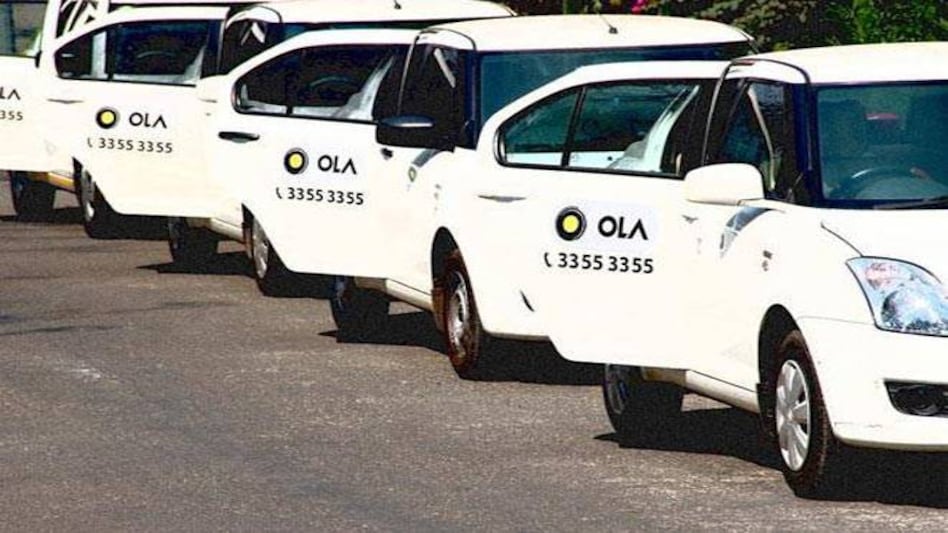
Taxi drivers working with Ola and Uber, the two main cab aggregators have gone on strike in Bangalore. Unlike in the past, this time it is not about 'incentives' but a demand that the two aggregators stop attaching additional cabs as the drivers claim that 'incomes have been hit.'
- Jan 23, 2017,
- Updated Jan 23, 2017 11:56 PM IST
Taxi drivers working with Ola and Uber, the two main cab aggregators have gone on strike in Bangalore. Unlike in the past, this time it is not about 'incentives' but a demand that the two aggregators stop attaching additional cabs as the drivers claim that 'incomes have been hit.' This was bound to happen and going forward such strikes are likely to become more frequent. The reason is fairly simple.
Cab drivers have had a good ride in the last couple of years. Till a few months back, an average cab driver who was working with one of the app based aggregators could hope to earn anywhere between Rs 60,000 to Rs 90,000 a month. Some of the drivers' even claim it has been as high as Rs 1 lakh plus a month, depending on the hours one puts-in.
Of course driving in insane traffic conditions prevalent across most major Indian cities means physical stress and tedium. It is a repetitive job which requires only basic skills. The earnings for somebody, who was say a high school dropout, was really good. (For perspective, while the parallels aren't apt, entry level engineers working with an IT services company can expect to take home only about Rs 20-25,000 per month and only after say five-seven years can they expect to take home about Rs 1 lakh).
With auto companies extending 'special schemes' to help drivers become cab 'owners,' most of them had a good thing going. The consumer benefited because of the ease of use and the low cost was subsidised by the 'incentives' being provided by the aggregators fighting for market share. For instance a recent 15 kilometre ride in a Maruti Ertiga (classified by Uber as 'XL' category) cost this writer a mere Rs 237.50. That is less than what the rickshaw fare would have been and hides what the true economic cost of the ride would be. Of course this was subsidised by Uber, which would pay the driver three times of that.
To ensure round the clock availability and to reduce dependence on a limited pool, taxi aggregators like Uber and Ola, have been encouraging new drivers to 'attach' their vehicles to them. This has meant the number of rides per cab per day has been going down, which is what the drivers are protesting about. They claim such moves have nearly halved their earnings.While the protests might be temporary, the day the app-based aggregators stop subsidising rides, another round of pain both for drivers and users will become a reality.
Unless people start abandoning their private vehicles in a big way and opting for cab rides (an unlikely scenario), an exponential growth in cab traffic is not going to happen. With more cabs entering the market, for the same customer base, it gives upper hand to the taxi-aggregators. Aggregators like Ola and Uber also cannot endlessly dump capital. They will need to eventually try and aim for profitability.
Till that day dawns, enjoy the cheap rides on offer.
Taxi drivers working with Ola and Uber, the two main cab aggregators have gone on strike in Bangalore. Unlike in the past, this time it is not about 'incentives' but a demand that the two aggregators stop attaching additional cabs as the drivers claim that 'incomes have been hit.' This was bound to happen and going forward such strikes are likely to become more frequent. The reason is fairly simple.
Cab drivers have had a good ride in the last couple of years. Till a few months back, an average cab driver who was working with one of the app based aggregators could hope to earn anywhere between Rs 60,000 to Rs 90,000 a month. Some of the drivers' even claim it has been as high as Rs 1 lakh plus a month, depending on the hours one puts-in.
Of course driving in insane traffic conditions prevalent across most major Indian cities means physical stress and tedium. It is a repetitive job which requires only basic skills. The earnings for somebody, who was say a high school dropout, was really good. (For perspective, while the parallels aren't apt, entry level engineers working with an IT services company can expect to take home only about Rs 20-25,000 per month and only after say five-seven years can they expect to take home about Rs 1 lakh).
With auto companies extending 'special schemes' to help drivers become cab 'owners,' most of them had a good thing going. The consumer benefited because of the ease of use and the low cost was subsidised by the 'incentives' being provided by the aggregators fighting for market share. For instance a recent 15 kilometre ride in a Maruti Ertiga (classified by Uber as 'XL' category) cost this writer a mere Rs 237.50. That is less than what the rickshaw fare would have been and hides what the true economic cost of the ride would be. Of course this was subsidised by Uber, which would pay the driver three times of that.
To ensure round the clock availability and to reduce dependence on a limited pool, taxi aggregators like Uber and Ola, have been encouraging new drivers to 'attach' their vehicles to them. This has meant the number of rides per cab per day has been going down, which is what the drivers are protesting about. They claim such moves have nearly halved their earnings.While the protests might be temporary, the day the app-based aggregators stop subsidising rides, another round of pain both for drivers and users will become a reality.
Unless people start abandoning their private vehicles in a big way and opting for cab rides (an unlikely scenario), an exponential growth in cab traffic is not going to happen. With more cabs entering the market, for the same customer base, it gives upper hand to the taxi-aggregators. Aggregators like Ola and Uber also cannot endlessly dump capital. They will need to eventually try and aim for profitability.
Till that day dawns, enjoy the cheap rides on offer.