
Essar’s £4.3 billion stanlow bet: Over £1 billion nears final investment decision
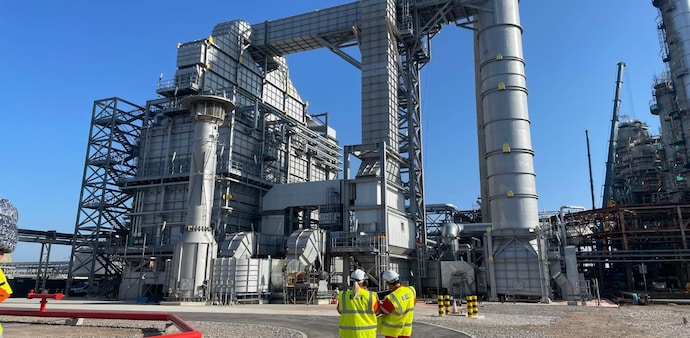
Essar has already invested around £1 billion in modernising and upgrading Stanlow since acquiring the refinery from Shell in 2011
- Sep 22, 2026,
- Updated Sep 22, 2026 5:31 PM IST
Essar is advancing a £4.3 billion investment pipeline through 2035 to transform its Stanlow refinery in the UK into a major energy transition hub, with more than £1 billion of projects nearing Final Investment Decision (FID), Deepak Maheshwari, CEO, Essar Energy Transition Fuels, told Business Today.
Maheshwari said the investment programme will be deployed in phases, with low-carbon hydrogen production and low-carbon heat expected to progress first, followed by larger-scale sustainable aviation fuel (SAF) and other growth projects in the early 2030s.
READ THIS: Essar Energy Transition Retail acquires UK forecourt operator SGN Retail
According to Maheshwari, the strategy is aimed at transforming Stanlow into what Essar describes as the world’s first low-carbon process refinery, with an objective of reducing emissions by up to 95% by the 2030s. The plan centres on low-carbon hydrogen, carbon capture and storage, electrification, low-carbon heat and power, and efficiency improvements.
“Hydrogen is central to Essar’s energy transition strategy,” Maheshwari said. The company is developing a 350MW low-carbon hydrogen plant, involving an investment of around £1.5 billion, as part of the HyNet North West industrial decarbonisation cluster.
Maheshwari said the next phase will include sustainable aviation fuel. Essar is developing a Methanol-to-Jet project targeting production of around 200,000 tonnes of advanced SAF annually in the early 2030s. The company is also developing SAF in India for the UK market.
Essar has already invested around £1 billion in modernising and upgrading Stanlow since acquiring the refinery from Shell in 2011. Maheshwari said these investments included a move to single-train operation, a catalytic cracker upgrade, a £100 million turnaround that increased throughput by around 8%, and investment in the UK’s first hydrogen-ready refinery furnace.
Maheshwari said Stanlow has capacity to meet around 25% of the UK’s refining requirements and supplies around 20% of the country’s transport fuels and 12.5% of total UK jet fuel demand.
On funding, Maheshwari said the £4.3 billion programme will be financed through a combination of Essar equity, project-level financing and government-supported mechanisms. He said the company does not disclose the precise funding mix, while government support is particularly important for low-carbon hydrogen, carbon capture and advanced SAF projects.
The investment also has an India-UK dimension. Maheshwari said the India-UK CETA could strengthen trade, investment and knowledge exchange between the two countries. He added that Essar could draw on specialist technology and expertise from its global operations, including India, for the Stanlow transformation.
Essar acquired Stanlow from Shell for $350 million in 2011. Maheshwari said the company brought operational, technical and engineering expertise from India, including experience from its 20 MTPA Vadinar refinery in Gujarat, to improve Stanlow’s efficiency and operational performance.
ALSO READ: Hormuz crisis exposed world's energy weak spots: Why the next shock could hurt more
Maheshwari said Essar has already reduced emissions at Stanlow by 22% since acquiring the refinery in 2011. Fuel switching to low-carbon hydrogen and low-carbon heat and power is expected to deliver an initial reduction of about 30% of emissions, with carbon capture, electrification and efficiency improvements contributing to the longer-term 95% target.
On HyNet, Maheshwari said it is “absolutely central” to the decarbonisation strategy, providing the hydrogen and CO₂ transport and storage infrastructure required for Stanlow’s transformation.
He also identified policy and regulatory uncertainty as key risks to the investment programme, particularly decisions around hydrogen revenue support, carbon storage capacity and carbon-cost disparities with overseas competitors.
On the disruption around the Strait of Hormuz, Maheshwari declined to comment on day-to-day commercial trading positions or refining margins. He said recent geopolitical events highlight the importance of resilient domestic refining capacity and diversified supply chains for UK energy security.
Maheshwari also said Essar is expanding its retail presence across the UK, with an ambition to reach up to 800 forecourts, representing around 9% of the UK market. Recently, Essar acquired 100% of SGN Retail for £400 million, adding 118 forecourts to its existing 117 sites. The combined network now has 235 forecourts, making Essar the eighth-largest forecourt network in the UK, with annual throughput of more than 650 million litres, Maheshwari said.
Essar is advancing a £4.3 billion investment pipeline through 2035 to transform its Stanlow refinery in the UK into a major energy transition hub, with more than £1 billion of projects nearing Final Investment Decision (FID), Deepak Maheshwari, CEO, Essar Energy Transition Fuels, told Business Today.
Maheshwari said the investment programme will be deployed in phases, with low-carbon hydrogen production and low-carbon heat expected to progress first, followed by larger-scale sustainable aviation fuel (SAF) and other growth projects in the early 2030s.
READ THIS: Essar Energy Transition Retail acquires UK forecourt operator SGN Retail
According to Maheshwari, the strategy is aimed at transforming Stanlow into what Essar describes as the world’s first low-carbon process refinery, with an objective of reducing emissions by up to 95% by the 2030s. The plan centres on low-carbon hydrogen, carbon capture and storage, electrification, low-carbon heat and power, and efficiency improvements.
“Hydrogen is central to Essar’s energy transition strategy,” Maheshwari said. The company is developing a 350MW low-carbon hydrogen plant, involving an investment of around £1.5 billion, as part of the HyNet North West industrial decarbonisation cluster.
Maheshwari said the next phase will include sustainable aviation fuel. Essar is developing a Methanol-to-Jet project targeting production of around 200,000 tonnes of advanced SAF annually in the early 2030s. The company is also developing SAF in India for the UK market.
Essar has already invested around £1 billion in modernising and upgrading Stanlow since acquiring the refinery from Shell in 2011. Maheshwari said these investments included a move to single-train operation, a catalytic cracker upgrade, a £100 million turnaround that increased throughput by around 8%, and investment in the UK’s first hydrogen-ready refinery furnace.
Maheshwari said Stanlow has capacity to meet around 25% of the UK’s refining requirements and supplies around 20% of the country’s transport fuels and 12.5% of total UK jet fuel demand.
On funding, Maheshwari said the £4.3 billion programme will be financed through a combination of Essar equity, project-level financing and government-supported mechanisms. He said the company does not disclose the precise funding mix, while government support is particularly important for low-carbon hydrogen, carbon capture and advanced SAF projects.
The investment also has an India-UK dimension. Maheshwari said the India-UK CETA could strengthen trade, investment and knowledge exchange between the two countries. He added that Essar could draw on specialist technology and expertise from its global operations, including India, for the Stanlow transformation.
Essar acquired Stanlow from Shell for $350 million in 2011. Maheshwari said the company brought operational, technical and engineering expertise from India, including experience from its 20 MTPA Vadinar refinery in Gujarat, to improve Stanlow’s efficiency and operational performance.
ALSO READ: Hormuz crisis exposed world's energy weak spots: Why the next shock could hurt more
Maheshwari said Essar has already reduced emissions at Stanlow by 22% since acquiring the refinery in 2011. Fuel switching to low-carbon hydrogen and low-carbon heat and power is expected to deliver an initial reduction of about 30% of emissions, with carbon capture, electrification and efficiency improvements contributing to the longer-term 95% target.
On HyNet, Maheshwari said it is “absolutely central” to the decarbonisation strategy, providing the hydrogen and CO₂ transport and storage infrastructure required for Stanlow’s transformation.
He also identified policy and regulatory uncertainty as key risks to the investment programme, particularly decisions around hydrogen revenue support, carbon storage capacity and carbon-cost disparities with overseas competitors.
On the disruption around the Strait of Hormuz, Maheshwari declined to comment on day-to-day commercial trading positions or refining margins. He said recent geopolitical events highlight the importance of resilient domestic refining capacity and diversified supply chains for UK energy security.
Maheshwari also said Essar is expanding its retail presence across the UK, with an ambition to reach up to 800 forecourts, representing around 9% of the UK market. Recently, Essar acquired 100% of SGN Retail for £400 million, adding 118 forecourts to its existing 117 sites. The combined network now has 235 forecourts, making Essar the eighth-largest forecourt network in the UK, with annual throughput of more than 650 million litres, Maheshwari said.