
GST affects earnings of some Ola and Uber drivers, adds to EMI burden
Ola and Uber drivers are already having a troubled time with the decline in their monthly income due to falling incentives. Now, drivers that took their car on lease are reportedly going to bear the brunt of the new GST tax regime.
- Jul 3, 2017,
- Updated Jul 3, 2017 11:40 AM IST
Ola and Uber drivers are already having a troubled time with the decline in their monthly income due to falling incentives. Now, drivers that took their car on lease are reportedly going to bear the brunt of the new GST tax regime.
In accordance with the new GST taxes, drivers that were paying taxes around 14.5 per cent on the monthly installments will now have to add around double the amount of interest, ranging anywhere between 29 per cent to 43 per cent .
This range of interest between 29 per cent and 43 per cent will be a result of service charge of around 18 per cent and the additional 20 per cent vehicle sale tax, added to the leased vehicle. The changes are expected to increase the cost of EMIs by over Rs 1,00,000 per annum. According to a report by The Economic Times, around 7,000 to 8,000 drivers each from Ola and Uber have taken a car under lease.
Previous EMIs, that accounted to around Rs 25,000, can cost anywhere around Rs 35,000 and Rs 40,000 after the new tax regime is in place. "At Ola Fleet Technologies, we run a leasing programme for tens of thousands of driver-partners who may not be able to afford buying a car of their own. Presently, these driver-partners pay 14.5 per cent VAT. In the proposed GST regime, they will have to bear GST rates of 29 per cent to 43 per cent on the cars already leased, as an outcome of double taxation on existing leases," Shalabh Seth, CEO of Ola Fleet Technologies told ET.
Considering that drivers have already been complaining about falling income from cab aggregators Ola and Uber, there is a high chance that drivers who have taken their cars under lease will either put in additional hours of work or return the cab to the respective company.
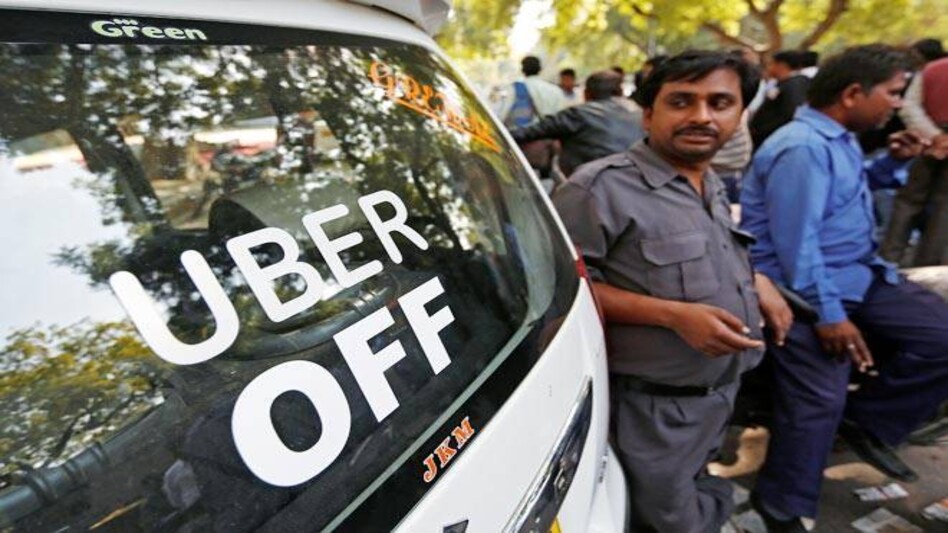
Earlier this year, cab driver unions had taken to the streets to protest the falling incentives from Ola and Uber. Though there has been no strong reaction against the changes brought about by the new GST regime, the unions might come into action once the affects are clearer.
Ola and Uber drivers are already having a troubled time with the decline in their monthly income due to falling incentives. Now, drivers that took their car on lease are reportedly going to bear the brunt of the new GST tax regime.
In accordance with the new GST taxes, drivers that were paying taxes around 14.5 per cent on the monthly installments will now have to add around double the amount of interest, ranging anywhere between 29 per cent to 43 per cent .
This range of interest between 29 per cent and 43 per cent will be a result of service charge of around 18 per cent and the additional 20 per cent vehicle sale tax, added to the leased vehicle. The changes are expected to increase the cost of EMIs by over Rs 1,00,000 per annum. According to a report by The Economic Times, around 7,000 to 8,000 drivers each from Ola and Uber have taken a car under lease.
Previous EMIs, that accounted to around Rs 25,000, can cost anywhere around Rs 35,000 and Rs 40,000 after the new tax regime is in place. "At Ola Fleet Technologies, we run a leasing programme for tens of thousands of driver-partners who may not be able to afford buying a car of their own. Presently, these driver-partners pay 14.5 per cent VAT. In the proposed GST regime, they will have to bear GST rates of 29 per cent to 43 per cent on the cars already leased, as an outcome of double taxation on existing leases," Shalabh Seth, CEO of Ola Fleet Technologies told ET.
Considering that drivers have already been complaining about falling income from cab aggregators Ola and Uber, there is a high chance that drivers who have taken their cars under lease will either put in additional hours of work or return the cab to the respective company.
Earlier this year, cab driver unions had taken to the streets to protest the falling incentives from Ola and Uber. Though there has been no strong reaction against the changes brought about by the new GST regime, the unions might come into action once the affects are clearer.