
India is still a young market with immense potential: Aris Maroulis of TUMI
Maroulis, Vice President of TUMI Asia-Pacific and Middle East, talks about the importance of India, consumer trends and more
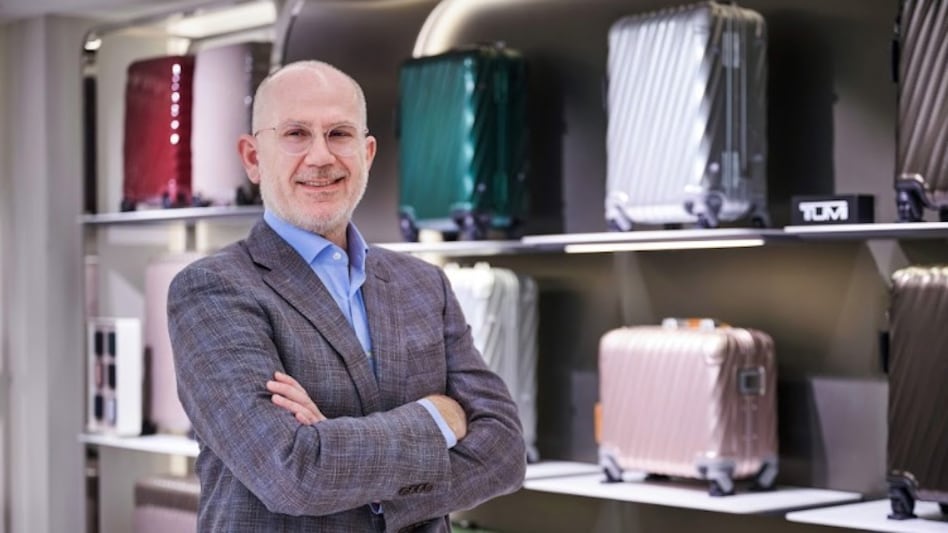
- Jan 19, 2026,
- Updated Jan 19, 2026 6:21 PM IST
Global luggage and travel accessories brand TUMI has been in India for nearly two decades now. In a freewheeling conversation with Business Today, Aris Maroulis, Vice President of TUMI Asia-Pacific and Middle East, talks about the importance of India as a market, consumer trends among Indian luxury buyers, and how travel habits have evolved since the pandemic, amongst others. Edited excerpts:
How significant is India in TUMI’s growth strategy? Are we going to see more retail points in India?
We strongly believe in India as a rapidly evolving market in our portfolio with plentiful opportunities. Even though we have been in India for some time, it is still a young market with immense potential. We have 10 downtown stores and three airport locations, and we are looking forward to opening more retail locations. This is already in progress as we are actively looking for flagship stores in Delhi and Mumbai, and will expand locations in top-tier cities. We aim to double the number of stores in India over the next three years.
Over time, we will look to expand our footprint to other cities as the market evolves through premium properties that fit our brand – such as premium shopping malls or newly upgraded international and domestic airports.
TUMI has been here for nearly two decades. How have you been performing? What specific consumer trends have you observed among Indian luxury buyers?
We have an established first-generation clientele who are very familiar with and loyal to the brand. These are mostly business leaders who appreciated our premium business and travel offerings. These customers also tended to be long-haul travellers.
While black is what traditional luxury looked like, modern luxury is moving towards being more colourful as an expression of one’s personal style. People want to stand out and challenge convention versus more conservative and traditional black.
Customers are gravitating towards lightweight hard-side luggage, more colour, and travel lifestyle products – backpacks, slings, totes etc., especially the younger generation of travellers (who are also travelling more frequently and favouring short-haul). These trends are also evident internationally, including in Asia and beyond.
We see the profile of the Indian luxury customer changing, with younger male and female customers seeking TUMI products for both their business and non-business needs. They seek truly versatile products, for example, lightweight backpacks and totes that can take them from a short business trip to the office to an after-work social occasion without looking out of place. With the evolution of work for this younger luxury consumer, including work-from-home and hybrid work, travel and everyday bags that are effortlessly versatile will hold the most appeal.
How does TUMI plan to compete in a market increasingly crowded with accessible luxury brands?
As one of the first movers in India’s premium travel and luxury category, TUMI already has a strong foundation that sets us apart in a competitive landscape.
Our global presence also plays a key role in maintaining our competitive edge. Travellers recognize TUMI for its consistent, world-class experience across hundreds of points of sale worldwide, offering seamless service and support wherever they go. While our business and travel collections remain popular, we’re also seeing growing demand for everyday lifestyle products — including backpacks, slings, and totes — that blend functionality with lifestyle appeal. In addition, our expansion into categories such as small leather goods, belts, and fragrance reflects our commitment to continuous innovation.
What are the biggest challenges in maintaining brand exclusivity while continuing to expand throughout the APAC region?
As we grow, our focus remains on reinforcing TUMI’s position as a premium brand and having an authentic point of view. Expansion is not about volume for us; it’s about deepening our presence in a way that enhances perception and accessibility without compromising exclusivity.
We continue to strengthen our unique identity through communicating our TUMI Difference (superior quality, design excellence, technical innovation, functional superiority, and world-class customer service) and offering a curated assortment of travel, lifestyle, and accessories designed for all types of journeys, ensuring that our customers experience the same level of craftsmanship, innovation, and sophistication wherever they encounter the brand. This balance between selective growth and enhanced experience allows us to remain both aspirational and authentic across the APAC region.
How are you seeing traveller expectations and preferences evolve across the region, particularly when it comes to functionality and technology in travel gear? And how have you seen travel habits in the region evolve since the pandemic?
Traveller expectations across the region are evolving rapidly, driven by a desire for smarter, lighter, and more intuitive travel solutions. Today’s consumers expect their luggage and gear to deliver the perfect fusion of functionality and technology — combining ultra-lightweight construction with durable, high-performance materials. They want products that adapt to their personal travel styles, with features like expansion systems, dual-access openings, and smooth 360-degree wheels that make movement seamless. Built-in USB-C charging ports and other modern touches have also become key expectations, reflecting how travellers integrate technology into every part of their journey.
We’ve also seen a clear shift from traditional soft-sided luggage to lightweight hard-sided options made from premium materials. Travellers are prioritising protection and longevity while also expressing their individuality through design and colour. For many, travel gear has become an extension of personal style — a reflection of who they are and how they move through the world.
Since 2020, travel habits across the region have evolved significantly, with short-haul and domestic travel becoming increasingly dominant. This shift has influenced the types of products consumers are drawn to, as more travellers now prioritise lighter, more versatile pieces that can easily transition between business and leisure.
How does TUMI adapt to the rise of remote work and “work-from-anywhere” lifestyles?
The rise of remote work and “work-from-anywhere” lifestyles has transformed how people travel and what they look for in their everyday essentials. Younger Indian consumers, in particular, are seeking versatile pieces that can seamlessly transition from daily commutes to short-haul business trips or leisure getaways — often with a “carry-on only” mindset. This evolution has fueled demand for multifunctional products that balance practicality, style, and performance, such as hard-sided carry-on luggage, colourful travel pieces, and adaptable lifestyle bags like backpacks, totes and duffels.
Global luggage and travel accessories brand TUMI has been in India for nearly two decades now. In a freewheeling conversation with Business Today, Aris Maroulis, Vice President of TUMI Asia-Pacific and Middle East, talks about the importance of India as a market, consumer trends among Indian luxury buyers, and how travel habits have evolved since the pandemic, amongst others. Edited excerpts:
How significant is India in TUMI’s growth strategy? Are we going to see more retail points in India?
We strongly believe in India as a rapidly evolving market in our portfolio with plentiful opportunities. Even though we have been in India for some time, it is still a young market with immense potential. We have 10 downtown stores and three airport locations, and we are looking forward to opening more retail locations. This is already in progress as we are actively looking for flagship stores in Delhi and Mumbai, and will expand locations in top-tier cities. We aim to double the number of stores in India over the next three years.
Over time, we will look to expand our footprint to other cities as the market evolves through premium properties that fit our brand – such as premium shopping malls or newly upgraded international and domestic airports.
TUMI has been here for nearly two decades. How have you been performing? What specific consumer trends have you observed among Indian luxury buyers?
We have an established first-generation clientele who are very familiar with and loyal to the brand. These are mostly business leaders who appreciated our premium business and travel offerings. These customers also tended to be long-haul travellers.
While black is what traditional luxury looked like, modern luxury is moving towards being more colourful as an expression of one’s personal style. People want to stand out and challenge convention versus more conservative and traditional black.
Customers are gravitating towards lightweight hard-side luggage, more colour, and travel lifestyle products – backpacks, slings, totes etc., especially the younger generation of travellers (who are also travelling more frequently and favouring short-haul). These trends are also evident internationally, including in Asia and beyond.
We see the profile of the Indian luxury customer changing, with younger male and female customers seeking TUMI products for both their business and non-business needs. They seek truly versatile products, for example, lightweight backpacks and totes that can take them from a short business trip to the office to an after-work social occasion without looking out of place. With the evolution of work for this younger luxury consumer, including work-from-home and hybrid work, travel and everyday bags that are effortlessly versatile will hold the most appeal.
How does TUMI plan to compete in a market increasingly crowded with accessible luxury brands?
As one of the first movers in India’s premium travel and luxury category, TUMI already has a strong foundation that sets us apart in a competitive landscape.
Our global presence also plays a key role in maintaining our competitive edge. Travellers recognize TUMI for its consistent, world-class experience across hundreds of points of sale worldwide, offering seamless service and support wherever they go. While our business and travel collections remain popular, we’re also seeing growing demand for everyday lifestyle products — including backpacks, slings, and totes — that blend functionality with lifestyle appeal. In addition, our expansion into categories such as small leather goods, belts, and fragrance reflects our commitment to continuous innovation.
What are the biggest challenges in maintaining brand exclusivity while continuing to expand throughout the APAC region?
As we grow, our focus remains on reinforcing TUMI’s position as a premium brand and having an authentic point of view. Expansion is not about volume for us; it’s about deepening our presence in a way that enhances perception and accessibility without compromising exclusivity.
We continue to strengthen our unique identity through communicating our TUMI Difference (superior quality, design excellence, technical innovation, functional superiority, and world-class customer service) and offering a curated assortment of travel, lifestyle, and accessories designed for all types of journeys, ensuring that our customers experience the same level of craftsmanship, innovation, and sophistication wherever they encounter the brand. This balance between selective growth and enhanced experience allows us to remain both aspirational and authentic across the APAC region.
How are you seeing traveller expectations and preferences evolve across the region, particularly when it comes to functionality and technology in travel gear? And how have you seen travel habits in the region evolve since the pandemic?
Traveller expectations across the region are evolving rapidly, driven by a desire for smarter, lighter, and more intuitive travel solutions. Today’s consumers expect their luggage and gear to deliver the perfect fusion of functionality and technology — combining ultra-lightweight construction with durable, high-performance materials. They want products that adapt to their personal travel styles, with features like expansion systems, dual-access openings, and smooth 360-degree wheels that make movement seamless. Built-in USB-C charging ports and other modern touches have also become key expectations, reflecting how travellers integrate technology into every part of their journey.
We’ve also seen a clear shift from traditional soft-sided luggage to lightweight hard-sided options made from premium materials. Travellers are prioritising protection and longevity while also expressing their individuality through design and colour. For many, travel gear has become an extension of personal style — a reflection of who they are and how they move through the world.
Since 2020, travel habits across the region have evolved significantly, with short-haul and domestic travel becoming increasingly dominant. This shift has influenced the types of products consumers are drawn to, as more travellers now prioritise lighter, more versatile pieces that can easily transition between business and leisure.
How does TUMI adapt to the rise of remote work and “work-from-anywhere” lifestyles?
The rise of remote work and “work-from-anywhere” lifestyles has transformed how people travel and what they look for in their everyday essentials. Younger Indian consumers, in particular, are seeking versatile pieces that can seamlessly transition from daily commutes to short-haul business trips or leisure getaways — often with a “carry-on only” mindset. This evolution has fueled demand for multifunctional products that balance practicality, style, and performance, such as hard-sided carry-on luggage, colourful travel pieces, and adaptable lifestyle bags like backpacks, totes and duffels.