
IndiGo flight disruptions: 80% flyers hit by airlines ‘dark patterns’, nationwide survey finds
IndiGo flight disruptions: 80% flyers hit by airlines ‘dark patterns’, nationwide survey finds
The survey, drawing from over 124,000 responses across 302 districts, found 80% of airline passengers encountered dark patterns during booking or management. These deceptive designs — like Bait and Switch, Forced Action, and Drip Pricing — push users toward decisions not in their interest, such as hidden fees or blocked cancellations.
Business Today Desk
- Dec 11, 2025,
- Updated Dec 11, 2025 7:54 PM IST
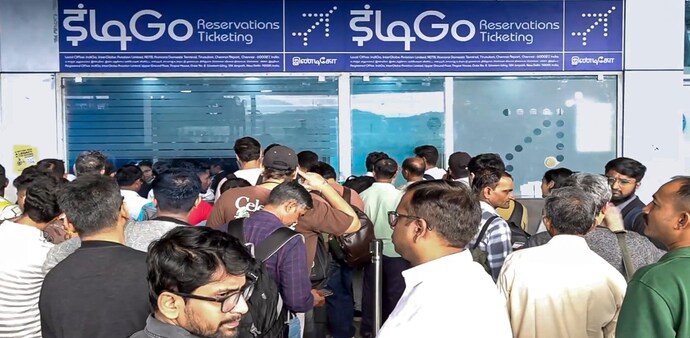
IndiGo has been facing intense scrutiny over operational chaos, but a new nationwide survey has revealed deeper issues plaguing Indian airlines. The survey by LocalCircles has noted widespread use of "dark patterns" on apps and websites that trick passengers into unwanted costs and confusion.
The survey, drawing from over 124,000 responses across 302 districts, found 80% of airline passengers encountered dark patterns during booking or management. These deceptive designs — like Bait and Switch, Forced Action, and Drip Pricing — push users toward decisions not in their interest, such as hidden fees or blocked cancellations. IndiGo, which is under the government's scrutiny after cancelling 5,000+ flights in a week, drew complaints of greyed-out cancellation buttons despite refund promises, forcing modifications instead.
Advertisement
Lower refunds and hidden fees
Passengers reported drastic refund shortfalls, like one expecting full Rs 39,180 back receiving just Rs 1,788, a textbook Bait and Switch. During IndiGo's disruptions, platforms allegedly hid easy exits, trapping users in unwanted changes. The survey highlighted manipulative interfaces at every step: booking, seat selection, add-ons, and refunds, using guilt trips or obscured options to upsell.
It is to be noted the government has mandated a compensation of Rs 5,000 to Rs 10,000 for passengers from IndiGo whose flights were cancelled within 24 hours of departure. In addition to this, IndiGo will provide compensation of Rs 5000 to Rs 10,000, depending on the block time of the flight, to those customers whose flights were cancelled within 24 hours of departure time, which can be used for any future IndiGo journey for the next 12 months.
Advertisement
Bait and Switch tactics
According to the survey, 70% of airline users said they “very frequently” encountered Bait and Switch tactics, in which the fare or refund terms displayed at the start of a transaction were later replaced with less favourable options. Only 6% reported never facing this issue. Examples cited in the report include fares that jump at checkout and refund assurances that change once a passenger initiates cancellation.
These complaints spiked during IndiGo’s recent operational meltdown. Several travellers attempting to cancel their bookings said the refunds offered were far below the amounts they had originally paid, despite the airline publicly promising full refunds. Others reported that the cancellation button was disabled altogether, leaving them with only the option to modify their tickets.
Advertisement
Drip pricing rampant
Drip Pricing topped concerns, with 80% frequently seeing fees "drip" in only at payment—convenience charges, baggage, or seats undisclosed upfront. While IndiGo usually lists convenience fees upfront, platforms like Air India, SpiceJet and Akasa often add these charges at checkout without prior disclosure, catching customers off guard.
False urgency, sneaky add‑ons
More than half the respondents (56%) said airline websites and apps “very frequently” push fake urgency messages — such as claims that only a few seats are left or that many people are viewing the same fare — which later turn out to be misleading, while another 25% see such prompts occasionally.
Persistent prompts, or “nagging”, are also common: 40% reported being repeatedly hit with pop‑ups asking them to download apps or sign up even after declining, though 15% said they had never faced such interruptions.
Advertisement
So‑called “basket sneaking” is another pain point. Around 30% of users said extras like insurance, meals or seat upgrades were added to their cart without clear consent very frequently, and 34% said this happened sometimes; only 13% had never experienced it.
LocalCircles noted that despite draft guidelines issued in 2023 under the Consumer Protection Act to curb such practices, airline compliance remains limited. With the IndiGo crisis drawing fresh attention to the issue, the platform is urging the Central Consumer Protection Authority (CCPA) to conduct a detailed review and enforce stricter action.
IndiGo has been facing intense scrutiny over operational chaos, but a new nationwide survey has revealed deeper issues plaguing Indian airlines. The survey by LocalCircles has noted widespread use of "dark patterns" on apps and websites that trick passengers into unwanted costs and confusion.
The survey, drawing from over 124,000 responses across 302 districts, found 80% of airline passengers encountered dark patterns during booking or management. These deceptive designs — like Bait and Switch, Forced Action, and Drip Pricing — push users toward decisions not in their interest, such as hidden fees or blocked cancellations. IndiGo, which is under the government's scrutiny after cancelling 5,000+ flights in a week, drew complaints of greyed-out cancellation buttons despite refund promises, forcing modifications instead.
Advertisement
Lower refunds and hidden fees
Passengers reported drastic refund shortfalls, like one expecting full Rs 39,180 back receiving just Rs 1,788, a textbook Bait and Switch. During IndiGo's disruptions, platforms allegedly hid easy exits, trapping users in unwanted changes. The survey highlighted manipulative interfaces at every step: booking, seat selection, add-ons, and refunds, using guilt trips or obscured options to upsell.
It is to be noted the government has mandated a compensation of Rs 5,000 to Rs 10,000 for passengers from IndiGo whose flights were cancelled within 24 hours of departure. In addition to this, IndiGo will provide compensation of Rs 5000 to Rs 10,000, depending on the block time of the flight, to those customers whose flights were cancelled within 24 hours of departure time, which can be used for any future IndiGo journey for the next 12 months.
Advertisement
Bait and Switch tactics
According to the survey, 70% of airline users said they “very frequently” encountered Bait and Switch tactics, in which the fare or refund terms displayed at the start of a transaction were later replaced with less favourable options. Only 6% reported never facing this issue. Examples cited in the report include fares that jump at checkout and refund assurances that change once a passenger initiates cancellation.
These complaints spiked during IndiGo’s recent operational meltdown. Several travellers attempting to cancel their bookings said the refunds offered were far below the amounts they had originally paid, despite the airline publicly promising full refunds. Others reported that the cancellation button was disabled altogether, leaving them with only the option to modify their tickets.
Advertisement
Drip pricing rampant
Drip Pricing topped concerns, with 80% frequently seeing fees "drip" in only at payment—convenience charges, baggage, or seats undisclosed upfront. While IndiGo usually lists convenience fees upfront, platforms like Air India, SpiceJet and Akasa often add these charges at checkout without prior disclosure, catching customers off guard.
False urgency, sneaky add‑ons
More than half the respondents (56%) said airline websites and apps “very frequently” push fake urgency messages — such as claims that only a few seats are left or that many people are viewing the same fare — which later turn out to be misleading, while another 25% see such prompts occasionally.
Persistent prompts, or “nagging”, are also common: 40% reported being repeatedly hit with pop‑ups asking them to download apps or sign up even after declining, though 15% said they had never faced such interruptions.
Advertisement
So‑called “basket sneaking” is another pain point. Around 30% of users said extras like insurance, meals or seat upgrades were added to their cart without clear consent very frequently, and 34% said this happened sometimes; only 13% had never experienced it.
LocalCircles noted that despite draft guidelines issued in 2023 under the Consumer Protection Act to curb such practices, airline compliance remains limited. With the IndiGo crisis drawing fresh attention to the issue, the platform is urging the Central Consumer Protection Authority (CCPA) to conduct a detailed review and enforce stricter action.
Read more!