
IndiGo to levy fuel charge from March 14 as aviation turbine fuel prices surge
In a statement issued on March 13, the airline said the additional charge is being implemented in response to a steep increase in fuel costs, which has significantly raised operating expenses for carriers across the region.
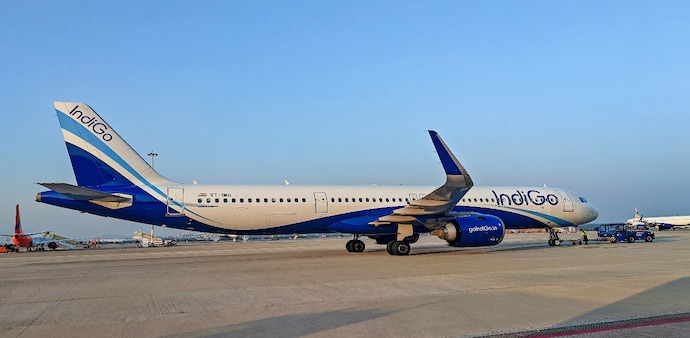
- Mar 13, 2026,
- Updated Mar 13, 2026 8:22 PM IST
IndiGo, India’s largest airline, will introduce a fuel charge on domestic and international routes from March 14, 2026, citing a sharp rise in aviation turbine fuel (ATF) prices amid ongoing geopolitical tensions in global energy markets.
In a statement issued on March 13, the airline said the additional charge is being implemented in response to a steep increase in fuel costs, which has significantly raised operating expenses for carriers across the region. According to the airline, recent data indicates that fuel prices have risen by about 85% in recent months, putting pressure on airline finances and forcing companies to review fare structures.
Aviation turbine fuel accounts for a substantial portion of an airline’s operating cost, and the sudden spike has had a material impact on IndiGo’s cost structure as well as network operations. The airline said the new charge is intended to partly offset the increase while keeping overall fare hikes limited.
Under the revised structure, the fuel charge will apply per sector on all new bookings made from 00:01 hrs on March 14. For domestic travel within India and routes within the Indian subcontinent, the additional charge will be ₹425 per sector. Passengers flying to the Middle East will pay ₹900 per sector, while those travelling to South East Asia and China will be charged ₹1,800.
The same ₹1,800 fuel charge will apply on routes to Africa and West Asia, while flights to Europe will attract the highest additional fee of ₹2,300 per sector. The airline said the revised pricing will be reflected automatically in ticket fares at the time of booking.
IndiGo said the decision was taken after reviewing the sharp and sustained increase in fuel prices linked to global supply disruptions and geopolitical developments affecting energy markets. The airline added that while the entire impact of higher fuel costs could require a larger fare increase, it has chosen to introduce a relatively smaller surcharge to reduce the burden on passengers.
The company also said it regrets the inconvenience caused to customers but noted that the measure has become necessary due to changes in the operating environment. IndiGo added that it will continue to monitor fuel prices and make further adjustments if required.
Industry experts say airlines worldwide are facing similar pressure as crude oil prices rise and supply concerns linked to West Asia tensions push up fuel costs. Since ATF prices are closely linked to global crude rates, prolonged volatility could keep airfares elevated in the near term.
IndiGo said it remains committed to offering affordable and reliable services while balancing rising costs, and will continue to review pricing based on market conditions.
Fuel taxes
IndiGo and Air India have urged the government to cut fuel taxes and push private airports to lower charges as rising geopolitical tensions increase operating costs, Reuters reported. The Iran conflict has restricted access to West Asia airspace, while Indian airlines remain barred from Pakistan’s airspace, forcing longer routes and higher fuel consumption on international flights. IndiGo is seeking relief on aviation turbine fuel taxes, which account for 30–40% of airline expenses but attract an 11% federal levy along with state taxes of up to 29%. The airlines have also asked for rationalisation of airport charges, saying fees at private airports are higher than at state-run facilities. Data shows Indian carriers cancelled 64% of scheduled flights to West Asia, Europe, and North America between February 28 and March 9. Analysts warn the crisis could significantly hurt profitability, with Air India already estimating a $600 million annual impact from airspace restrictions.
IndiGo, India’s largest airline, will introduce a fuel charge on domestic and international routes from March 14, 2026, citing a sharp rise in aviation turbine fuel (ATF) prices amid ongoing geopolitical tensions in global energy markets.
In a statement issued on March 13, the airline said the additional charge is being implemented in response to a steep increase in fuel costs, which has significantly raised operating expenses for carriers across the region. According to the airline, recent data indicates that fuel prices have risen by about 85% in recent months, putting pressure on airline finances and forcing companies to review fare structures.
Aviation turbine fuel accounts for a substantial portion of an airline’s operating cost, and the sudden spike has had a material impact on IndiGo’s cost structure as well as network operations. The airline said the new charge is intended to partly offset the increase while keeping overall fare hikes limited.
Under the revised structure, the fuel charge will apply per sector on all new bookings made from 00:01 hrs on March 14. For domestic travel within India and routes within the Indian subcontinent, the additional charge will be ₹425 per sector. Passengers flying to the Middle East will pay ₹900 per sector, while those travelling to South East Asia and China will be charged ₹1,800.
The same ₹1,800 fuel charge will apply on routes to Africa and West Asia, while flights to Europe will attract the highest additional fee of ₹2,300 per sector. The airline said the revised pricing will be reflected automatically in ticket fares at the time of booking.
IndiGo said the decision was taken after reviewing the sharp and sustained increase in fuel prices linked to global supply disruptions and geopolitical developments affecting energy markets. The airline added that while the entire impact of higher fuel costs could require a larger fare increase, it has chosen to introduce a relatively smaller surcharge to reduce the burden on passengers.
The company also said it regrets the inconvenience caused to customers but noted that the measure has become necessary due to changes in the operating environment. IndiGo added that it will continue to monitor fuel prices and make further adjustments if required.
Industry experts say airlines worldwide are facing similar pressure as crude oil prices rise and supply concerns linked to West Asia tensions push up fuel costs. Since ATF prices are closely linked to global crude rates, prolonged volatility could keep airfares elevated in the near term.
IndiGo said it remains committed to offering affordable and reliable services while balancing rising costs, and will continue to review pricing based on market conditions.
Fuel taxes
IndiGo and Air India have urged the government to cut fuel taxes and push private airports to lower charges as rising geopolitical tensions increase operating costs, Reuters reported. The Iran conflict has restricted access to West Asia airspace, while Indian airlines remain barred from Pakistan’s airspace, forcing longer routes and higher fuel consumption on international flights. IndiGo is seeking relief on aviation turbine fuel taxes, which account for 30–40% of airline expenses but attract an 11% federal levy along with state taxes of up to 29%. The airlines have also asked for rationalisation of airport charges, saying fees at private airports are higher than at state-run facilities. Data shows Indian carriers cancelled 64% of scheduled flights to West Asia, Europe, and North America between February 28 and March 9. Analysts warn the crisis could significantly hurt profitability, with Air India already estimating a $600 million annual impact from airspace restrictions.