
Maruti factory violence case: 31 convicted, 117 acquitted by Haryana Court; here's what happened on July 18, 2012
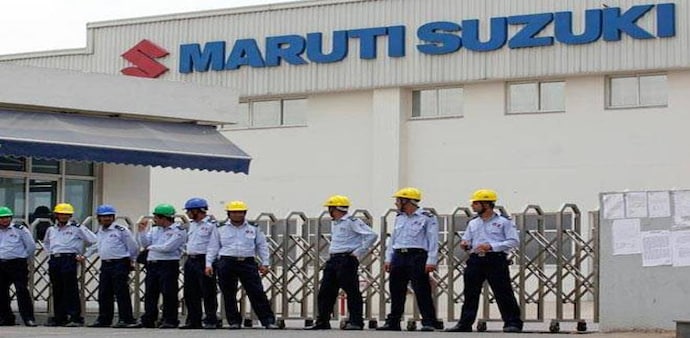
On July 18, 2012, violent clashes took place between the workers and management during which Awanish Kumar Dev, HR Manager at the company's Manesar plant was charred to death and several other executives were injured.
- Mar 10, 2017,
- Updated Mar 10, 2017 3:13 PM IST
A Haryana district court on Friday convicted 31 people and acquitted 117 others in the 2012 Maruti Suzuki factory violence case.
Additional District and Sessions Judge of Gurugram District Court gave the verdict.
The court will announce the quantum of punishment for the convicted workers later in the afternoon.
On July 18, 2012, violent clashes took place between the workers and management during which Awanish Kumar Dev, HR Manager at the company's Manesar plant was charred to death and several other executives were injured.
ALSO READ: Maruti Suzuki launches limited edition Ertiga: Price and features
Around 148 workers were arrested and charged with the murder of Dev. They also faced charges of murder, attempt to murder, rioting, unlawful assembly, assault, and trespass among other sections of the penal code.
After the clash, around 546 workers were laid off. The case was in court for the last five years.
What happened in Manesar in 2012 and other related facts:
- July 18, 2012, was a dark day in the Maruti's otherwise proud history of three decades. Awanish Kumar Dev, General Manager of Human Resources was killed by the same workers he used to look after, and command and cajole, every day at the Manesar factory. His charred body was discovered late in the night.
- At least 100 other managers were injured: broken arms and bleeding heads were the most common injuries. Some hurt themselves as they jumped off the first floor to avoid rampaging workers, who took whatever they could find - tools lying about in the factory, parts of the cars they used to put together, hinges pulled off doors - and did things they had never seemed capable of doing.
- The Manesar plant was locked out for almost a month. Maruti's share of the passenger vehicles market plunged to nearly 38 per cent, a far cry from the vertigo-inducing 55.5 per cent in the year 2000. Net profit after tax fell 5.4 per cent in the July-September quarter of 2012.
- At the heart of Maruti's Manesar unrest in 2012 were contract labourers who were new to the company and their age profile young. They made over 50 per cent of the workforce as per estimates. The company eventually did away with such workers.
- India has plenty of experience of militant labour which hit industrial production badly during the 1960s, 1970s and 1980s. In the auto sector, militant trade unionism in West Bengal, encouraged by the ruling Left Front government, forced the closure of Hindustan Motors, makers of the iconic Ambassador brand. Also, Faridabad, once a flourishing industrial cluster, famous for its units making automotive parts, was destroyed by labour wage disputes.
A Haryana district court on Friday convicted 31 people and acquitted 117 others in the 2012 Maruti Suzuki factory violence case.
Additional District and Sessions Judge of Gurugram District Court gave the verdict.
The court will announce the quantum of punishment for the convicted workers later in the afternoon.
On July 18, 2012, violent clashes took place between the workers and management during which Awanish Kumar Dev, HR Manager at the company's Manesar plant was charred to death and several other executives were injured.
ALSO READ: Maruti Suzuki launches limited edition Ertiga: Price and features
Around 148 workers were arrested and charged with the murder of Dev. They also faced charges of murder, attempt to murder, rioting, unlawful assembly, assault, and trespass among other sections of the penal code.
After the clash, around 546 workers were laid off. The case was in court for the last five years.
What happened in Manesar in 2012 and other related facts:
- July 18, 2012, was a dark day in the Maruti's otherwise proud history of three decades. Awanish Kumar Dev, General Manager of Human Resources was killed by the same workers he used to look after, and command and cajole, every day at the Manesar factory. His charred body was discovered late in the night.
- At least 100 other managers were injured: broken arms and bleeding heads were the most common injuries. Some hurt themselves as they jumped off the first floor to avoid rampaging workers, who took whatever they could find - tools lying about in the factory, parts of the cars they used to put together, hinges pulled off doors - and did things they had never seemed capable of doing.
- The Manesar plant was locked out for almost a month. Maruti's share of the passenger vehicles market plunged to nearly 38 per cent, a far cry from the vertigo-inducing 55.5 per cent in the year 2000. Net profit after tax fell 5.4 per cent in the July-September quarter of 2012.
- At the heart of Maruti's Manesar unrest in 2012 were contract labourers who were new to the company and their age profile young. They made over 50 per cent of the workforce as per estimates. The company eventually did away with such workers.
- India has plenty of experience of militant labour which hit industrial production badly during the 1960s, 1970s and 1980s. In the auto sector, militant trade unionism in West Bengal, encouraged by the ruling Left Front government, forced the closure of Hindustan Motors, makers of the iconic Ambassador brand. Also, Faridabad, once a flourishing industrial cluster, famous for its units making automotive parts, was destroyed by labour wage disputes.