
NCLT orders overhaul of Dreams Mall ownership, cancels excess shares held by Wadhawan group
Earlier during the proceedings, the tribunal had expressed concern that the Wadhawan group could regain effective control of the company because of its majority shareholding, even though that shareholding itself was under challenge.
- Jun 30, 2026,
- Updated Jun 30, 2026 4:03 PM IST
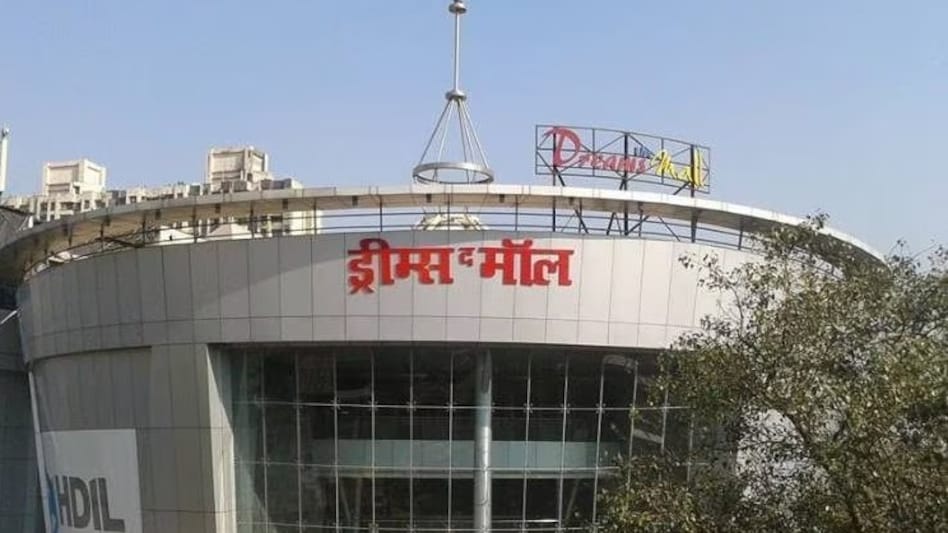
In a significant ruling in the long-running dispute over Mumbai’s Dreams Mall, the National Company Law Tribunal (NCLT) has ordered a complete restructuring of the mall management company’s shareholding, holding that the existing ownership pattern is skewed in favour of the Wadhawan group and contrary to the company’s founding documents.
The Mumbai bench of the NCLT held that the affairs of Dreams The Mall Company Ltd reflected “gross mismanagement”, citing years of unpaid statutory dues, poor maintenance and governance failures. The tribunal directed that shares in the company be re-allotted to shop owners and space holders in proportion to the carpet area of their respective units, while cancelling all existing share allotments found to be in excess of each stakeholder’s legitimate entitlement.
The order stems from a petition filed by 138 shareholders alleging oppression and mismanagement by the company’s promoters, including entities linked to the erstwhile HDIL group and the Wadhawan family. The petitioners argued that shares had been allotted disproportionately, allowing the promoter group to retain control despite contractual provisions requiring ownership to reflect the carpet area purchased by each shop owner.
MUST READ | Adani Enterprises says NCLT approves resolution plan for Jaiprakash Associates
The tribunal agreed with the contention, observing that the existing shareholding structure was inconsistent with both the Memorandum of Association and the sale agreements executed with purchasers.
“Accordingly, we direct the existing board to allot the shares to all the shop buyers and space holders in ratio of carpet area of such shops/spaces,” the tribunal said. It added that any excess allotments shall stand cancelled and the company shall refund amounts received for such excess shares after adjusting outstanding maintenance dues. Shares will henceforth automatically transfer along with ownership of the corresponding commercial unit.
The NCLT, however, clarified that no share entitlement would presently be granted for disputed common areas, basements or parking spaces. It said those issues depend upon adjudication by the competent civil court and cannot be decided in the present proceedings.
The tribunal painted a grim picture of the mall’s condition, noting that years of mismanagement had resulted in statutory liabilities including property tax dues of nearly ₹15.93 crore, electricity dues of ₹1.66 crore, water charges of almost ₹80 lakh and unaccounted advance common area maintenance collections of about ₹4.82 crore.
The order also records allegations that the mall suffered repeated electricity and water disconnections, dysfunctional escalators, poor housekeeping, inadequate security, non-functional air-conditioning and prolonged neglect despite substantial maintenance collections from shop owners.
DON'T MISS | Vedanta demerger: NCLT approves Talwandi Sabo Power scheme
Earlier during the proceedings, the tribunal had expressed concern that the Wadhawan group could regain effective control of the company because of its majority shareholding, even though that shareholding itself was under challenge. As an interim measure, it had replaced the earlier board with a new board comprising representatives of shop owners and institutional stakeholders to manage the affairs of the company.
The NCLT has now directed the newly constituted board to determine the company’s total statutory liabilities as of June 30, 2026, apportion recoverable dues among shareholders after the revised shareholding exercise, and collect the amounts within 30 days to clear outstanding government dues and restore the mall’s finances.
The petitioners (unit holders) were represented by Adv Dhrupad Vaghani and Adv Gayatri Mohite of Anchorstone Legal, while the newly constituted Board of Directors was represented by Adv Akshay Doctor, instructed by Adv Rohan Mahadik.
In a significant ruling in the long-running dispute over Mumbai’s Dreams Mall, the National Company Law Tribunal (NCLT) has ordered a complete restructuring of the mall management company’s shareholding, holding that the existing ownership pattern is skewed in favour of the Wadhawan group and contrary to the company’s founding documents.
The Mumbai bench of the NCLT held that the affairs of Dreams The Mall Company Ltd reflected “gross mismanagement”, citing years of unpaid statutory dues, poor maintenance and governance failures. The tribunal directed that shares in the company be re-allotted to shop owners and space holders in proportion to the carpet area of their respective units, while cancelling all existing share allotments found to be in excess of each stakeholder’s legitimate entitlement.
The order stems from a petition filed by 138 shareholders alleging oppression and mismanagement by the company’s promoters, including entities linked to the erstwhile HDIL group and the Wadhawan family. The petitioners argued that shares had been allotted disproportionately, allowing the promoter group to retain control despite contractual provisions requiring ownership to reflect the carpet area purchased by each shop owner.
MUST READ | Adani Enterprises says NCLT approves resolution plan for Jaiprakash Associates
The tribunal agreed with the contention, observing that the existing shareholding structure was inconsistent with both the Memorandum of Association and the sale agreements executed with purchasers.
“Accordingly, we direct the existing board to allot the shares to all the shop buyers and space holders in ratio of carpet area of such shops/spaces,” the tribunal said. It added that any excess allotments shall stand cancelled and the company shall refund amounts received for such excess shares after adjusting outstanding maintenance dues. Shares will henceforth automatically transfer along with ownership of the corresponding commercial unit.
The NCLT, however, clarified that no share entitlement would presently be granted for disputed common areas, basements or parking spaces. It said those issues depend upon adjudication by the competent civil court and cannot be decided in the present proceedings.
The tribunal painted a grim picture of the mall’s condition, noting that years of mismanagement had resulted in statutory liabilities including property tax dues of nearly ₹15.93 crore, electricity dues of ₹1.66 crore, water charges of almost ₹80 lakh and unaccounted advance common area maintenance collections of about ₹4.82 crore.
The order also records allegations that the mall suffered repeated electricity and water disconnections, dysfunctional escalators, poor housekeeping, inadequate security, non-functional air-conditioning and prolonged neglect despite substantial maintenance collections from shop owners.
DON'T MISS | Vedanta demerger: NCLT approves Talwandi Sabo Power scheme
Earlier during the proceedings, the tribunal had expressed concern that the Wadhawan group could regain effective control of the company because of its majority shareholding, even though that shareholding itself was under challenge. As an interim measure, it had replaced the earlier board with a new board comprising representatives of shop owners and institutional stakeholders to manage the affairs of the company.
The NCLT has now directed the newly constituted board to determine the company’s total statutory liabilities as of June 30, 2026, apportion recoverable dues among shareholders after the revised shareholding exercise, and collect the amounts within 30 days to clear outstanding government dues and restore the mall’s finances.
The petitioners (unit holders) were represented by Adv Dhrupad Vaghani and Adv Gayatri Mohite of Anchorstone Legal, while the newly constituted Board of Directors was represented by Adv Akshay Doctor, instructed by Adv Rohan Mahadik.