
Not freebie, opt for low-cost approaches to take spacetech to grassroots: ISRO chief tells firms
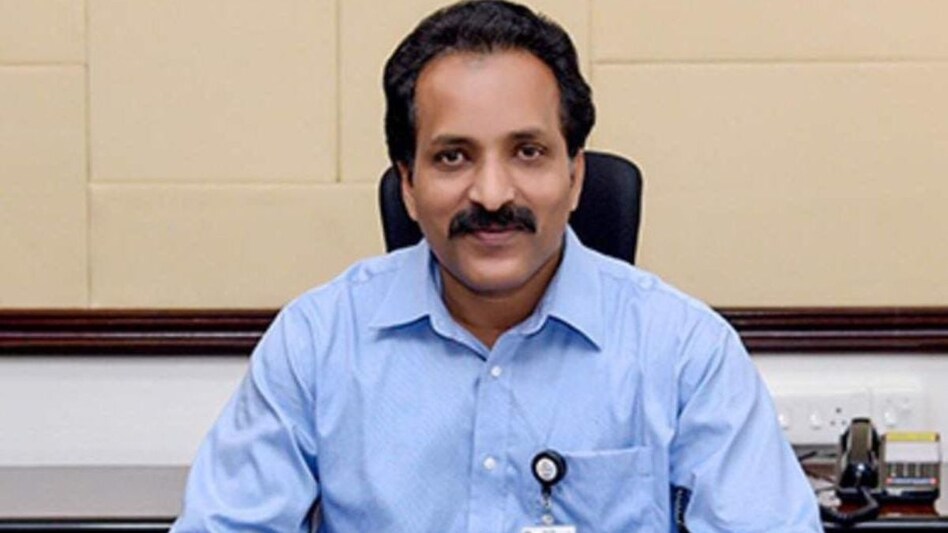
ISRO chairman Somanath said this also involved building new markets for space technologies, which could only be achieved through economies of scale for their wider use
- Jul 10, 2023,
- Updated Jul 10, 2023 6:07 PM IST
In a country where freebies are widely appreciated, companies in the spacetech sector need to work on business models that ensure that their solutions are available to millions at a low cost, the head of the Indian Space Research Organisation (ISRO) said Monday.
“India, especially, is a country where if you like giving it [for] free, it’s very good. You will be building a huge business. But then, of course, there needs to be a business model,” ISRO Chairman Sreedhara Panicker Somanath said Monday.
Speaking at the India Space Congress, 2023, organised by the SatCom Industry Association-India (SIA-India), Somanath said there was a need to make the cost of satellite services affordable to take them to a larger population.
“We have to find ways through which on-ground infrastructure and connectivity are actually delivered to people in millions at an extremely low cost. Through the scale achieved, you will be able to make businesses and that’s very important,” he told stakeholders.
Somanath said this also involved finding new markets for satellite technology. And this could only be achieved by achieving economies of scale for their wider use.
“This is a major topic of discussion: creating those markets in India where the satellite capability is limited to a small segment of society even today. Of course, the government uses it. But for the public, how can we make it a daily necessity?”
The only way this could be achieved was by connecting satellite technology with the social and economic progress of each individual.
“It has to become a part of their life to find connectivity, to use it through satellite. Otherwise, they will be happy with the other domains of connectivity and solutions that are available at a lower cost,” observed Somanath.
He said satellite technology could be effectively utilised in day-to-day activities such as agriculture, food collection, storage and distribution, medicine and healthcare, maintenance of survey records, climate and weather predictions and disaster management.
“It’s not only technology that we need to work on; we need to also work on the grassroots to create those changes. All of us within the industry and policymakers need to find solutions,” averred Somanath.
He said growth in the satellite segment was guaranteed as long as newer and more cost-effective applications were built.
In a country where freebies are widely appreciated, companies in the spacetech sector need to work on business models that ensure that their solutions are available to millions at a low cost, the head of the Indian Space Research Organisation (ISRO) said Monday.
“India, especially, is a country where if you like giving it [for] free, it’s very good. You will be building a huge business. But then, of course, there needs to be a business model,” ISRO Chairman Sreedhara Panicker Somanath said Monday.
Speaking at the India Space Congress, 2023, organised by the SatCom Industry Association-India (SIA-India), Somanath said there was a need to make the cost of satellite services affordable to take them to a larger population.
“We have to find ways through which on-ground infrastructure and connectivity are actually delivered to people in millions at an extremely low cost. Through the scale achieved, you will be able to make businesses and that’s very important,” he told stakeholders.
Somanath said this also involved finding new markets for satellite technology. And this could only be achieved by achieving economies of scale for their wider use.
“This is a major topic of discussion: creating those markets in India where the satellite capability is limited to a small segment of society even today. Of course, the government uses it. But for the public, how can we make it a daily necessity?”
The only way this could be achieved was by connecting satellite technology with the social and economic progress of each individual.
“It has to become a part of their life to find connectivity, to use it through satellite. Otherwise, they will be happy with the other domains of connectivity and solutions that are available at a lower cost,” observed Somanath.
He said satellite technology could be effectively utilised in day-to-day activities such as agriculture, food collection, storage and distribution, medicine and healthcare, maintenance of survey records, climate and weather predictions and disaster management.
“It’s not only technology that we need to work on; we need to also work on the grassroots to create those changes. All of us within the industry and policymakers need to find solutions,” averred Somanath.
He said growth in the satellite segment was guaranteed as long as newer and more cost-effective applications were built.