
Reliance Industries, split between traditional and modern businesses, has a new look
RIL's inroads in retail, renewable energy and telecom sectors makes the conglomerate's journey ahead look very interesting
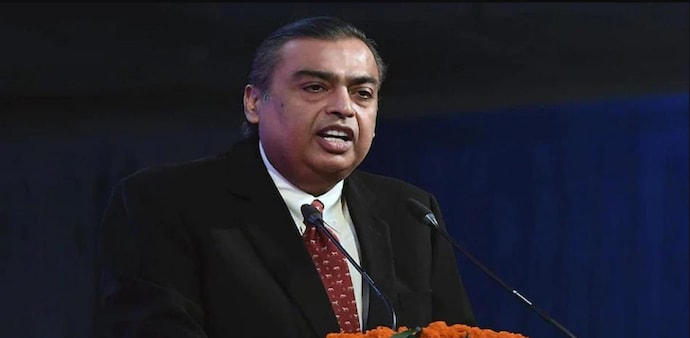
- Dec 22, 2022,
- Updated Dec 22, 2022 9:13 AM IST
The outbreak of the Covid pandemic in March 2020 set businesses back like very few calamities in the past ever have. It was time to re-orient business models. Survival became the mantra. In the midst of the storm, India’s largest private-sector enterprise, Reliance Industries Limited (RIL), spent a good part of its time raising investor money for its telecommunications and retail businesses.
For the calendar year 2020, the conglomerate raised funds to the tune of $20 billion for its digital services arm Jio Platforms, followed by another $6 billion for Reliance Retail Ventures. The message was two-fold. The investors were convinced about RIL’s story. And also about India’s long-term story. And there were impressive names among the investors, including Facebook, Google, TPG, Silver Lake, KKR, Abu Dhabi Investment Authority (ADIA), and Saudi Arabia’s sovereign Public Investment Fund (PIF). Importantly, RIL’s Chairman and Managing Director, Mukesh Ambani, put out a statement in June 2020 that the company was net debt-free.
The journey of the transformation of RIL into a company with a robust set of new-economy businesses has been underway for a while now. Going from textiles to plastics to oil and gas exploration to refining, the conglomerate has in recent times been looking at new businesses relevant to the times, such as retail, renewable energy, and telecom. The renewable energy foray was announced with much fanfare at last year’s annual general meeting, always an occasion for something big. These initiatives have altered the DNA of the company. In 2014, more than 95 per cent of the revenue came from older businesses. Currently, revenues are equally divided between the old and the new.
Also read: World’s Wealthiest Business Families 2022: Ambanis Rank 6th
“Reliance Industries has effectively used huge cash flows from its legacy petrochemicals business to build the telecom and retail forays over the past decade or so,” explained Gaurav Dua, Head (Capital Market Strategy), Sharekhan by BNP Paribas. According to him, these two new business verticals have not only gained a position of leadership today but are highly profitable as well. “In the process, they are making a material contribution to the operating profits at a consolidated level.”
For the second quarter of FY23, the EBITDA (earnings before interest, taxes, depreciation, and amortisation) for the two businesses (retail and telecom) together stood at Rs 16,705 crore. That is nearly half of the total EBITDA of Rs 33,336 crore that RIL posted at a consolidated level. In the preceding quarter, the corresponding share for retail and telecom was 45 per cent.
Also read: FIFA 2022: JioCinema Scripts History in Digital Viewership in India
The conglomerate first ventured into telecom through Reliance Infocomm in 2002, but that went to Mukesh Ambani’s younger brother, Anil, three years later when the group’s businesses were demerged. In 2005, RIL ventured into retail with the launch of Reliance Fresh. However, the past decade has seen a renewed thrust in RIL's consumer-facing businesses, most notably the re-entry into telecom through Jio (said to be oil spelled backwards), and in retail boasting a presence across formats and a position of strength in most of them. Just by way of numbers, Jio has a subscriber base of over 421 million, making it the market leader, while the retail business has a network of 16,617 stores across 54.5 million square feet.
The most recent acquisition of Metro Cash & Carry India by Reliance Industries's retail subsidiary, Reliance Retail Ventures for Rs 2,850 crore will only strengthen the growth story.
Deven Choksey, MD, KR Choksey Securities, picks out consumer focus as the single biggest change at RIL. “Be it building Jio or retail and now the (proposed) demerger of financial services from RIL, the consumer strategy is clear and definite,” he explained, before pointing out that renewable energy, too, will have both B2B and B2C components. Also, from a financial standpoint, getting it right here means a huge upside for the company. “Apart from giving an uptick in revenues, consumer businesses are highly profitable and are more efficient when it comes to return on capital employed," said Choksey.
Also read: Reliance Industries' RRVL to acquire METRO Cash & Carry India for Rs 2,850 crore
Also read: Mukesh Ambani Reorients Reliance In An Uncertain World
The outbreak of the Covid pandemic in March 2020 set businesses back like very few calamities in the past ever have. It was time to re-orient business models. Survival became the mantra. In the midst of the storm, India’s largest private-sector enterprise, Reliance Industries Limited (RIL), spent a good part of its time raising investor money for its telecommunications and retail businesses.
For the calendar year 2020, the conglomerate raised funds to the tune of $20 billion for its digital services arm Jio Platforms, followed by another $6 billion for Reliance Retail Ventures. The message was two-fold. The investors were convinced about RIL’s story. And also about India’s long-term story. And there were impressive names among the investors, including Facebook, Google, TPG, Silver Lake, KKR, Abu Dhabi Investment Authority (ADIA), and Saudi Arabia’s sovereign Public Investment Fund (PIF). Importantly, RIL’s Chairman and Managing Director, Mukesh Ambani, put out a statement in June 2020 that the company was net debt-free.
The journey of the transformation of RIL into a company with a robust set of new-economy businesses has been underway for a while now. Going from textiles to plastics to oil and gas exploration to refining, the conglomerate has in recent times been looking at new businesses relevant to the times, such as retail, renewable energy, and telecom. The renewable energy foray was announced with much fanfare at last year’s annual general meeting, always an occasion for something big. These initiatives have altered the DNA of the company. In 2014, more than 95 per cent of the revenue came from older businesses. Currently, revenues are equally divided between the old and the new.
Also read: World’s Wealthiest Business Families 2022: Ambanis Rank 6th
“Reliance Industries has effectively used huge cash flows from its legacy petrochemicals business to build the telecom and retail forays over the past decade or so,” explained Gaurav Dua, Head (Capital Market Strategy), Sharekhan by BNP Paribas. According to him, these two new business verticals have not only gained a position of leadership today but are highly profitable as well. “In the process, they are making a material contribution to the operating profits at a consolidated level.”
For the second quarter of FY23, the EBITDA (earnings before interest, taxes, depreciation, and amortisation) for the two businesses (retail and telecom) together stood at Rs 16,705 crore. That is nearly half of the total EBITDA of Rs 33,336 crore that RIL posted at a consolidated level. In the preceding quarter, the corresponding share for retail and telecom was 45 per cent.
Also read: FIFA 2022: JioCinema Scripts History in Digital Viewership in India
The conglomerate first ventured into telecom through Reliance Infocomm in 2002, but that went to Mukesh Ambani’s younger brother, Anil, three years later when the group’s businesses were demerged. In 2005, RIL ventured into retail with the launch of Reliance Fresh. However, the past decade has seen a renewed thrust in RIL's consumer-facing businesses, most notably the re-entry into telecom through Jio (said to be oil spelled backwards), and in retail boasting a presence across formats and a position of strength in most of them. Just by way of numbers, Jio has a subscriber base of over 421 million, making it the market leader, while the retail business has a network of 16,617 stores across 54.5 million square feet.
The most recent acquisition of Metro Cash & Carry India by Reliance Industries's retail subsidiary, Reliance Retail Ventures for Rs 2,850 crore will only strengthen the growth story.
Deven Choksey, MD, KR Choksey Securities, picks out consumer focus as the single biggest change at RIL. “Be it building Jio or retail and now the (proposed) demerger of financial services from RIL, the consumer strategy is clear and definite,” he explained, before pointing out that renewable energy, too, will have both B2B and B2C components. Also, from a financial standpoint, getting it right here means a huge upside for the company. “Apart from giving an uptick in revenues, consumer businesses are highly profitable and are more efficient when it comes to return on capital employed," said Choksey.
Also read: Reliance Industries' RRVL to acquire METRO Cash & Carry India for Rs 2,850 crore
Also read: Mukesh Ambani Reorients Reliance In An Uncertain World