
Tata factory making iPhone parts faces closure warning over water contamination allegations
Tamil Nadu's pollution board has accused Tata Electronics of contaminating farm wells near its Hosur iPhone parts plant. The notice raises the prospect of a shutdown as Tata insists it met all regulatory norms.
- Jun 13, 2026,
- Updated Jun 13, 2026 3:24 PM IST
The Tamil Nadu Pollution Control Board has alleged that wastewater discharged from a Tata components factory supplying Apple’s iPhone has contaminated groundwater used by nearby farms, and warned of a forced shutdown unless the company gives a satisfactory explanation, Reuters reported.
Tata Electronics is central to Apple’s efforts to diversify iPhone production beyond China and is Apple’s second-biggest supplier in South Asia after Taiwan’s Foxconn.
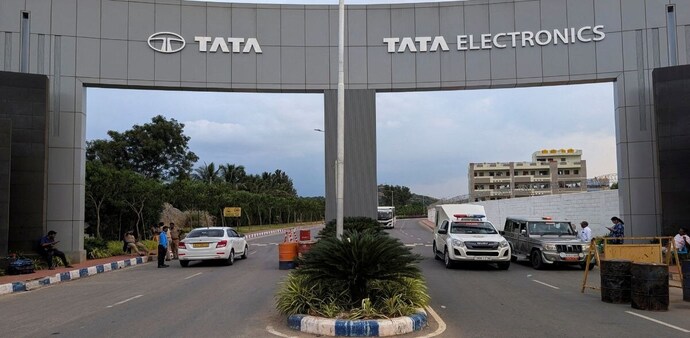
The plant under investigation is in Hosur, Tamil Nadu, and makes back panels and other components for iPhones. Farmland owners near the facility had complained for months to the Tamil Nadu Pollution Control Board that wastewater from the factory was contaminating their land and open wells. Those complaints led to five state inspections between December 2025 and May 2026, according to a regulatory notice dated May 25 reviewed by Reuters.
The inspections found that Tata had discharged wastewater into a rainwater harvesting pond inside its facility and that the pond had overflowed, contaminating “groundwater in the open wells located in the adjacent agricultural lands”, the pollution board said in its warning notice to the company.
In the three-page notice, the board said Tata had not taken corrective action on instructions issued in an earlier letter dated December 23, 2025. In its May notice, the board asked Tata to explain why power to the unit should not be cut and the factory closed for its alleged breach of the rules.
Tata Electronics told Reuters in a statement that it had commissioned an independent analysis through an accredited laboratory and that the study found the company was “in full compliance with all regulatory norms”. The company said it was “committed to responsible business practices and protection of the environment and local communities”, and that it had responded to the pollution authorities, without giving further details.
The Tamil Nadu Pollution Control Board has alleged that wastewater discharged from a Tata components factory supplying Apple’s iPhone has contaminated groundwater used by nearby farms, and warned of a forced shutdown unless the company gives a satisfactory explanation, Reuters reported.
Tata Electronics is central to Apple’s efforts to diversify iPhone production beyond China and is Apple’s second-biggest supplier in South Asia after Taiwan’s Foxconn.
The plant under investigation is in Hosur, Tamil Nadu, and makes back panels and other components for iPhones. Farmland owners near the facility had complained for months to the Tamil Nadu Pollution Control Board that wastewater from the factory was contaminating their land and open wells. Those complaints led to five state inspections between December 2025 and May 2026, according to a regulatory notice dated May 25 reviewed by Reuters.
The inspections found that Tata had discharged wastewater into a rainwater harvesting pond inside its facility and that the pond had overflowed, contaminating “groundwater in the open wells located in the adjacent agricultural lands”, the pollution board said in its warning notice to the company.
In the three-page notice, the board said Tata had not taken corrective action on instructions issued in an earlier letter dated December 23, 2025. In its May notice, the board asked Tata to explain why power to the unit should not be cut and the factory closed for its alleged breach of the rules.
Tata Electronics told Reuters in a statement that it had commissioned an independent analysis through an accredited laboratory and that the study found the company was “in full compliance with all regulatory norms”. The company said it was “committed to responsible business practices and protection of the environment and local communities”, and that it had responded to the pollution authorities, without giving further details.