
Tata Sons AGM: Why holding the board meeting is critical amid the boardroom tussle
It has already been deferred once. From RoC, a request to again defer it may need to go to NCLT. N Chandrasekaran’s reappointment is a key item on the agenda
- Sep 28, 2026,
- Updated Sep 28, 2026 10:59 AM IST
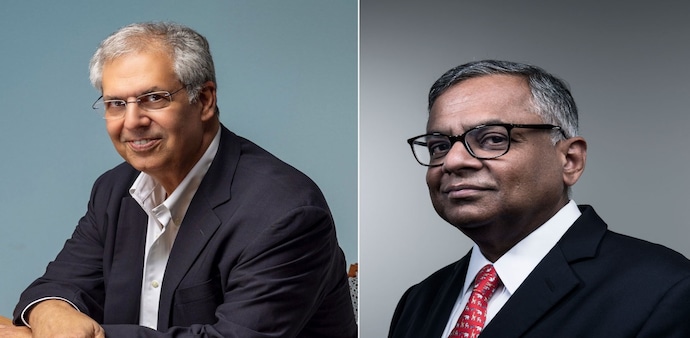
The annual general meeting (AGM) of Tata Sons, the unlisted holding company of the Tata conglomerate, would normally have been a routine affair. This year is quite exceptional since it’s in the midst of a bitter succession battle with the two key individuals – N Chandrasekaran, Tata Sons’ Chairman and Noel Tata, Tata Trusts’ Chairman – pitted against each other. Tata Trusts holds a 66% stake in Tata Sons and that put it in a strong position to decide on any resolution.
Just what makes this year’s AGM so critical? Here are a few points to highlight that:
DON'T MISS | Tata Sons boardroom dispute: Why Tata Trusts and the group are at odds
The original date of the AGM: It was scheduled for August 18. That did not take place because of a lack of quorum. Six years before that – on August 12 – Chandrasekaran wrote to the Tata Sons’ board that he was not offering himself for reappointment. He first took over as Chairman in February 2017 and is in the midst of his second term – each term has had a five-year tenure. The AGM on August 18 was meant to discuss, among other things, his reappointment and also renewing his position as Tata Sons’ director. The board meeting, on February 24, saw the issue come up for discussion but Noel Tata expressed reservations on the back of the financial performance of Air India and Tata Digital.
What does the law say? The AGM should be held no more than 15 months after the last meeting. In 2025, it was held on August 14 – that means the deadline for the one in 2026 is mid-November. An extension of three months has already been granted by the Registrar of Companies (RoC).
What is the issue? Tata Trusts is the largest shareholder in Tata Sons. Of the 66%, Sir Ratan Tata Trusts (SRTT) accounts for 23.56%. This entity along with Sir Dorbaji Tata Trusts (SRTT) needs to nominate one representative for the AGM. The issue relates to SRTT’s board composition and, more specifically, the proportion of permanent trustees. A valid quorum at the meeting mandatorily requires the attendance of at least five members and must include a representative jointly nominated by two trusts – Sir Dorabji Tata Trust (SDTT) and SRTT – that together hold a 52% stake in Tata Sons.
What now? Ashish Kumar Singh, Partner at Capstone Legal says it will now move to the NCLT (National Company Law Tribunal). “Under the Companies’ Act, NCLT is a key decision maker on a contentious matter. NCLT will adjudicate on a matter on a case-specific and fact-specific basis. It is now purely a question of law,” he explains. As things stand, Tata Sons might make an appeal to NCLT to seek an exemption since there are factors beyond its control. “All decisions will be taken after the interests of all shareholders are protected. Every point of view will be given a fair hearing,” adds Singh.
The annual general meeting (AGM) of Tata Sons, the unlisted holding company of the Tata conglomerate, would normally have been a routine affair. This year is quite exceptional since it’s in the midst of a bitter succession battle with the two key individuals – N Chandrasekaran, Tata Sons’ Chairman and Noel Tata, Tata Trusts’ Chairman – pitted against each other. Tata Trusts holds a 66% stake in Tata Sons and that put it in a strong position to decide on any resolution.
Just what makes this year’s AGM so critical? Here are a few points to highlight that:
DON'T MISS | Tata Sons boardroom dispute: Why Tata Trusts and the group are at odds
The original date of the AGM: It was scheduled for August 18. That did not take place because of a lack of quorum. Six years before that – on August 12 – Chandrasekaran wrote to the Tata Sons’ board that he was not offering himself for reappointment. He first took over as Chairman in February 2017 and is in the midst of his second term – each term has had a five-year tenure. The AGM on August 18 was meant to discuss, among other things, his reappointment and also renewing his position as Tata Sons’ director. The board meeting, on February 24, saw the issue come up for discussion but Noel Tata expressed reservations on the back of the financial performance of Air India and Tata Digital.
What does the law say? The AGM should be held no more than 15 months after the last meeting. In 2025, it was held on August 14 – that means the deadline for the one in 2026 is mid-November. An extension of three months has already been granted by the Registrar of Companies (RoC).
What is the issue? Tata Trusts is the largest shareholder in Tata Sons. Of the 66%, Sir Ratan Tata Trusts (SRTT) accounts for 23.56%. This entity along with Sir Dorbaji Tata Trusts (SRTT) needs to nominate one representative for the AGM. The issue relates to SRTT’s board composition and, more specifically, the proportion of permanent trustees. A valid quorum at the meeting mandatorily requires the attendance of at least five members and must include a representative jointly nominated by two trusts – Sir Dorabji Tata Trust (SDTT) and SRTT – that together hold a 52% stake in Tata Sons.
What now? Ashish Kumar Singh, Partner at Capstone Legal says it will now move to the NCLT (National Company Law Tribunal). “Under the Companies’ Act, NCLT is a key decision maker on a contentious matter. NCLT will adjudicate on a matter on a case-specific and fact-specific basis. It is now purely a question of law,” he explains. As things stand, Tata Sons might make an appeal to NCLT to seek an exemption since there are factors beyond its control. “All decisions will be taken after the interests of all shareholders are protected. Every point of view will be given a fair hearing,” adds Singh.