
The road from Aden to Jamnagar: How Dhirubhai Ambani built the Reliance empire
Before he became a household name, Ambani moved to Aden in the 1950s, when it was a major trading hub under British control. He worked for a trading company and is also widely reported to have spent time at a petrol station.
- Jun 19, 2026,
- Updated Jun 19, 2026 7:45 AM IST
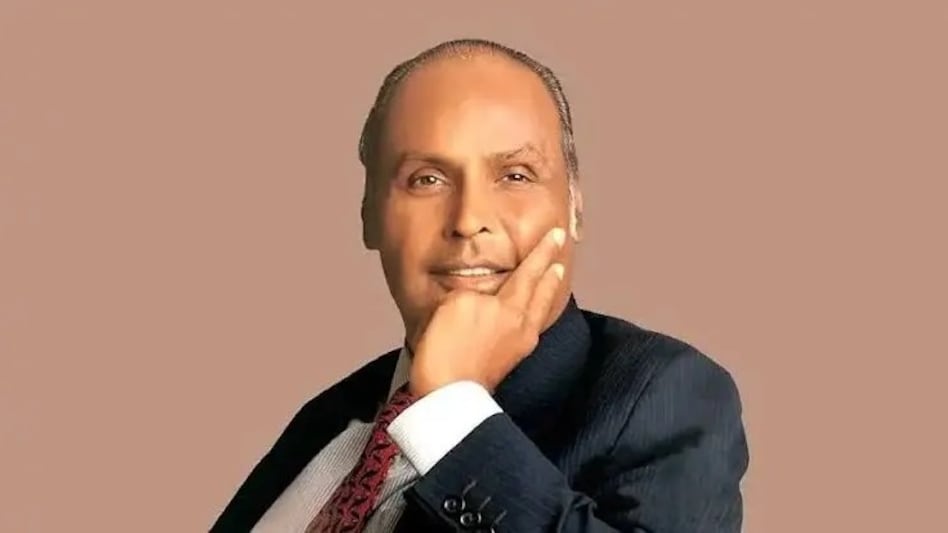
Few business stories in modern India rival the rise of Dhirubhai Ambani. Born in a modest household in Gujarat, Ambani went from working in Aden to building one of India’s largest industrial conglomerates. His journey is often cited as an example of entrepreneurial ambition and strategic vision.
At a time when India’s corporate landscape was dominated by established industrial houses, Ambani followed a different path. His approach was built on spotting opportunities, taking calculated risks and steadily moving up the value chain, from trading to textiles, petrochemicals and refining.
Before he became a household name, Ambani moved to Aden in the 1950s, when it was a major trading hub under British control. He worked for a trading company and is also widely reported to have spent time at a petrol station.
The period proved formative, exposing him to international trade, commodity markets, shipping networks and the workings of global commerce. When he returned to India in 1958, he brought back an understanding of trade and a belief that scale could transform businesses.
Back in Mumbai, Ambani started Reliance Commercial Corporation from a small office in Masjid Bunder. The business initially exported spices and imported polyester yarn. Though modest in scale, the venture reflected his ability to identify products with rising demand.
Even then, trading was not the final destination. As India’s economy expanded and consumer aspirations changed, Ambani saw a major opportunity in synthetic textiles, where demand for affordable and durable fabric was rising rapidly and polyester was becoming increasingly important.
From trading to textiles
In 1966, he entered manufacturing in a move that altered Reliance’s future. The company set up its first textile mill and launched the Vimal brand, named after a family member. Vimal went on to become one of India’s most recognised textile brands, known for combining quality with affordability. Aggressive marketing, a nationwide dealer network and an emphasis on scale helped the brand gain prominence, but for Ambani, textiles were only the beginning.
What set him apart from many of his contemporaries was his focus on controlling the supply chain. He recognised that textile profits depended heavily on the availability and price of raw materials. Instead of relying on suppliers, he chose to produce those inputs himself.
This strategy of backward integration became the cornerstone of Reliance’s growth as the company moved from textiles into polyester fibre production and then towards the petrochemical feedstocks required to make polyester.
Building scale in petrochemicals
Through the 1970s and 1980s, Reliance invested heavily in petrochemicals and built large-scale manufacturing facilities producing the building blocks needed for synthetic fibres and plastics. As demand for plastics, chemicals, packaging materials and synthetic fibres grew, Reliance positioned itself at the centre of the supply chain.
By producing key raw materials internally, the company gained greater control over costs, production and profitability. A business that had begun by trading yarn was now making many of the critical inputs required by India’s manufacturing sector.
Another important turning point came in 1977, when Reliance went public. At a time when stock market participation was largely limited to institutions and wealthy investors, Ambani actively reached out to India’s middle class.
Thousands of ordinary Indians bought Reliance shares, helping finance the company’s expansion. The move provided capital and also created a large base of loyal shareholders who became central to Reliance’s growth story.
Moving upstream into refining
By the 1990s, Reliance had become one of India’s largest petrochemical companies. The next step was to move further upstream into refining. The company invested in world-scale refining infrastructure, laying the foundation for what would later become the Jamnagar refinery complex, today one of the largest refining hubs in the world. The progression completed an industrial chain running from crude oil to petrochemicals, polyester, textiles and consumer products.
Rather than remaining a trader, he repeatedly moved into higher-value parts of the supply chain, strengthening Reliance’s control over its business ecosystem and reducing dependence on outside suppliers. From Aden’s trading world to the creation of an integrated industrial giant, his journey reshaped Reliance and altered how generations of Indians viewed entrepreneurship, scale and ambition.
Few business stories in modern India rival the rise of Dhirubhai Ambani. Born in a modest household in Gujarat, Ambani went from working in Aden to building one of India’s largest industrial conglomerates. His journey is often cited as an example of entrepreneurial ambition and strategic vision.
At a time when India’s corporate landscape was dominated by established industrial houses, Ambani followed a different path. His approach was built on spotting opportunities, taking calculated risks and steadily moving up the value chain, from trading to textiles, petrochemicals and refining.
Before he became a household name, Ambani moved to Aden in the 1950s, when it was a major trading hub under British control. He worked for a trading company and is also widely reported to have spent time at a petrol station.
The period proved formative, exposing him to international trade, commodity markets, shipping networks and the workings of global commerce. When he returned to India in 1958, he brought back an understanding of trade and a belief that scale could transform businesses.
Back in Mumbai, Ambani started Reliance Commercial Corporation from a small office in Masjid Bunder. The business initially exported spices and imported polyester yarn. Though modest in scale, the venture reflected his ability to identify products with rising demand.
Even then, trading was not the final destination. As India’s economy expanded and consumer aspirations changed, Ambani saw a major opportunity in synthetic textiles, where demand for affordable and durable fabric was rising rapidly and polyester was becoming increasingly important.
From trading to textiles
In 1966, he entered manufacturing in a move that altered Reliance’s future. The company set up its first textile mill and launched the Vimal brand, named after a family member. Vimal went on to become one of India’s most recognised textile brands, known for combining quality with affordability. Aggressive marketing, a nationwide dealer network and an emphasis on scale helped the brand gain prominence, but for Ambani, textiles were only the beginning.
What set him apart from many of his contemporaries was his focus on controlling the supply chain. He recognised that textile profits depended heavily on the availability and price of raw materials. Instead of relying on suppliers, he chose to produce those inputs himself.
This strategy of backward integration became the cornerstone of Reliance’s growth as the company moved from textiles into polyester fibre production and then towards the petrochemical feedstocks required to make polyester.
Building scale in petrochemicals
Through the 1970s and 1980s, Reliance invested heavily in petrochemicals and built large-scale manufacturing facilities producing the building blocks needed for synthetic fibres and plastics. As demand for plastics, chemicals, packaging materials and synthetic fibres grew, Reliance positioned itself at the centre of the supply chain.
By producing key raw materials internally, the company gained greater control over costs, production and profitability. A business that had begun by trading yarn was now making many of the critical inputs required by India’s manufacturing sector.
Another important turning point came in 1977, when Reliance went public. At a time when stock market participation was largely limited to institutions and wealthy investors, Ambani actively reached out to India’s middle class.
Thousands of ordinary Indians bought Reliance shares, helping finance the company’s expansion. The move provided capital and also created a large base of loyal shareholders who became central to Reliance’s growth story.
Moving upstream into refining
By the 1990s, Reliance had become one of India’s largest petrochemical companies. The next step was to move further upstream into refining. The company invested in world-scale refining infrastructure, laying the foundation for what would later become the Jamnagar refinery complex, today one of the largest refining hubs in the world. The progression completed an industrial chain running from crude oil to petrochemicals, polyester, textiles and consumer products.
Rather than remaining a trader, he repeatedly moved into higher-value parts of the supply chain, strengthening Reliance’s control over its business ecosystem and reducing dependence on outside suppliers. From Aden’s trading world to the creation of an integrated industrial giant, his journey reshaped Reliance and altered how generations of Indians viewed entrepreneurship, scale and ambition.