
With tax rejig, cigarettes likely to become costlier from February 1
No change in the tax incidence for tobacco products and pan masala, sources say; impact on cigarette prices yet to be assessed
- Jan 1, 2026,
- Updated Jan 1, 2026 5:37 PM IST
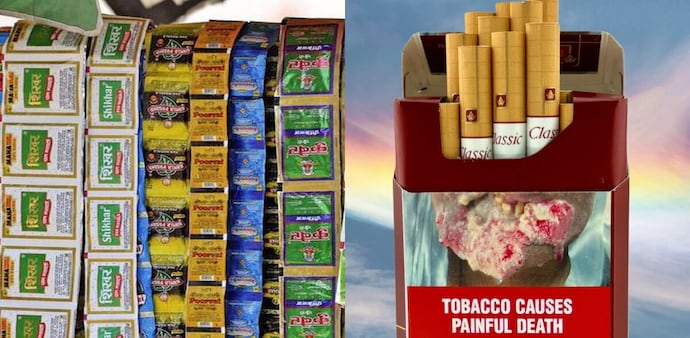
Cigarettes are likely to become costlier from next month, with the government notifying February 1, 2026, as the date from which the new central excise duty will become applicable on these products. A new Health and National Security Cess on pan masala will also come into effect from February 1. The new levies, which are part of the Goods and Services Tax (GST) rate rationalisation exercise, will replace the compensation cess that was levied on specified sin and luxury goods.
From February 1, pan masala, cigarettes, tobacco and similar products will attract 40% GST, while bidis will be taxed at 18% GST, according to the notification.
Sources said there has been no change in the overall tax incidence for tobacco products and pan masala. “The tax incidence on cigarettes has been brought in line with that of tobacco products,” they said, adding that the new structure will include 40% GST, the new central excise duty rate and the existing National Calamity Contingent Duty (NCCD).
However, the new tax structure could indirectly push up cigarette prices by 20% to 30%, according to estimates. Experts cautioned that it is still too early to determine the exact impact, as it would depend on several variables.
Under the revised framework, cigarettes will be taxed based on length and whether they are filtered or unfiltered. As per the notification, excise duty will range from ₹2,050 per 1,000 sticks for unfiltered cigarettes of less than 65 mm, to ₹5,400 per 1,000 sticks for filtered cigarettes up to 70–75 mm in length, and could go up to ₹8,500 per 1,000 sticks for other categories.
By contrast, since the introduction of GST in 2017, the Basic Excise Duty (BED) on cigarettes had remained unchanged for seven years at ₹5 per 1,000 sticks for most categories and ₹10 per 1,000 sticks for cigarettes longer than 75 mm. “In practical terms, this meant the excise component per stick was a fraction of a paisa, effectively rendering the BED insignificant as a public-health taxation tool,” sources said.
According to World Bank estimates, India’s total tax incidence on cigarettes is around 53% of the retail price, well below the World Health Organisation’s recommended benchmark of 75% or more to meaningfully reduce tobacco consumption. Several countries with strong tobacco-control regimes impose significantly higher tax burdens, the sources added.
Mahesh Jaising, Partner and Indirect Tax Leader at Deloitte India, said the proposals are broadly on expected lines and intended to maintain the overall tax incidence. “However, with the increase in GST rates, retail sale price-based valuation and higher specific excise duties, the overall cost impact may be on the higher side,” he said, adding that a deeper assessment is needed as the proposals are linked to retail pricing and capacity-based levies rather than absolute rate changes.
The Finance Ministry has also notified the ‘Chewing Tobacco, Jarda Scented Tobacco and Gutkha Packing Machines Rules, 2026’, under which duty will be payable monthly based on the number and capacity of packing machines, with payment due by the sixth of every month. “The calibrated rates ensure that the combined incidence of GST and the new cess remains broadly equivalent to the current incidence of GST plus compensation cess,” a source explained.
Even after the compensation cess is withdrawn, the total fiscal burden on pan masala is expected to remain stable, preventing unintended price reductions, maintaining public-health safeguards, and aligning with the objective of discouraging consumption of products linked to serious oral health disorders and high healthcare costs.
The notifications follow Parliament’s approval of two bills in the Winter Session, providing for the levy of the new Health and National Security Cess on pan masala and an additional excise duty on tobacco products.
Cigarettes are likely to become costlier from next month, with the government notifying February 1, 2026, as the date from which the new central excise duty will become applicable on these products. A new Health and National Security Cess on pan masala will also come into effect from February 1. The new levies, which are part of the Goods and Services Tax (GST) rate rationalisation exercise, will replace the compensation cess that was levied on specified sin and luxury goods.
From February 1, pan masala, cigarettes, tobacco and similar products will attract 40% GST, while bidis will be taxed at 18% GST, according to the notification.
Sources said there has been no change in the overall tax incidence for tobacco products and pan masala. “The tax incidence on cigarettes has been brought in line with that of tobacco products,” they said, adding that the new structure will include 40% GST, the new central excise duty rate and the existing National Calamity Contingent Duty (NCCD).
However, the new tax structure could indirectly push up cigarette prices by 20% to 30%, according to estimates. Experts cautioned that it is still too early to determine the exact impact, as it would depend on several variables.
Under the revised framework, cigarettes will be taxed based on length and whether they are filtered or unfiltered. As per the notification, excise duty will range from ₹2,050 per 1,000 sticks for unfiltered cigarettes of less than 65 mm, to ₹5,400 per 1,000 sticks for filtered cigarettes up to 70–75 mm in length, and could go up to ₹8,500 per 1,000 sticks for other categories.
By contrast, since the introduction of GST in 2017, the Basic Excise Duty (BED) on cigarettes had remained unchanged for seven years at ₹5 per 1,000 sticks for most categories and ₹10 per 1,000 sticks for cigarettes longer than 75 mm. “In practical terms, this meant the excise component per stick was a fraction of a paisa, effectively rendering the BED insignificant as a public-health taxation tool,” sources said.
According to World Bank estimates, India’s total tax incidence on cigarettes is around 53% of the retail price, well below the World Health Organisation’s recommended benchmark of 75% or more to meaningfully reduce tobacco consumption. Several countries with strong tobacco-control regimes impose significantly higher tax burdens, the sources added.
Mahesh Jaising, Partner and Indirect Tax Leader at Deloitte India, said the proposals are broadly on expected lines and intended to maintain the overall tax incidence. “However, with the increase in GST rates, retail sale price-based valuation and higher specific excise duties, the overall cost impact may be on the higher side,” he said, adding that a deeper assessment is needed as the proposals are linked to retail pricing and capacity-based levies rather than absolute rate changes.
The Finance Ministry has also notified the ‘Chewing Tobacco, Jarda Scented Tobacco and Gutkha Packing Machines Rules, 2026’, under which duty will be payable monthly based on the number and capacity of packing machines, with payment due by the sixth of every month. “The calibrated rates ensure that the combined incidence of GST and the new cess remains broadly equivalent to the current incidence of GST plus compensation cess,” a source explained.
Even after the compensation cess is withdrawn, the total fiscal burden on pan masala is expected to remain stable, preventing unintended price reductions, maintaining public-health safeguards, and aligning with the objective of discouraging consumption of products linked to serious oral health disorders and high healthcare costs.
The notifications follow Parliament’s approval of two bills in the Winter Session, providing for the levy of the new Health and National Security Cess on pan masala and an additional excise duty on tobacco products.