
Delhi HC dismisses plea seeking lower GST on sanitisers
On the issue of reducing the GST rate on alcohol-based sanitisers, the court said that rate of tax cannot be challenged in a court of law unless it is abundantly 'confiscatory' in nature
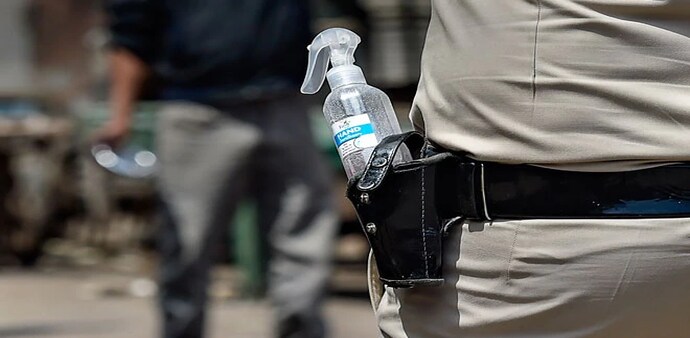
- Aug 18, 2020,
- Updated Aug 18, 2020 12:12 PM IST
Delhi High Court has dismissed a petition asking the court to classify mask and sanitisers as essential commodities and reduce GST on alcohol-based sanitisers to either 12% or 5%. Dismissing the plea, the high court said that masks and sanitisers are now easily available and there is no need to control such commodities or to regulate supply.
The court observed that inclusion of commodities in the list of essential commodities under the Essential Commodities Act, 1955 is a complex decision based upon varieties of factors such as availability, price. Moreover, in the opinion of the government, masks and sanitisers are now easily available and there is no need to control such commodities or to regulate supply of these commodities.
On the issue of reducing the GST rate on alcohol-based sanitisers, the court said that rate of tax cannot be challenged in a court of law unless it is abundantly 'confiscatory' in nature. "In the fact of the present case, nothing has been argued out about how the present rate of GST is confiscatory in law.
Merely, because this petitioner feels that the GST rate applied on masks and sanitisers is excessive, this cannot be a reason for issuing a writ of mandamus and direct the respondents to reduce tax on the said commodities," it added.
Earlier, the government had also clarified why it was not in favour of reducing GST on hand sanitisers from 18% to 12% or 5%. It had said, "Various chemicals, packing materials and input services etc. used for the manufacture of hand sanitisers also attract a GST rate of 18%. Reducing the GST rate on sanitisers and other similar items would lead to an inverted duty structure and put the domestic manufacturers at a disadvantage vis-a-vis importers of hand sanitisers."
Rajat Mohan, partner, AMRG & Associates, said that court has held that they will be extremely slow in interfering with the policy decision of the government. And given tax collections have plummeted due to coronavirus, where the government expenditure is constantly on a rise leading to an immense pressure of fiscal deficit, businesses must not expect any tax cuts in an immediate future.
Also read: People's Bank of China buys into ICICI Bank amid 'Boycott China' movement
Delhi High Court has dismissed a petition asking the court to classify mask and sanitisers as essential commodities and reduce GST on alcohol-based sanitisers to either 12% or 5%. Dismissing the plea, the high court said that masks and sanitisers are now easily available and there is no need to control such commodities or to regulate supply.
The court observed that inclusion of commodities in the list of essential commodities under the Essential Commodities Act, 1955 is a complex decision based upon varieties of factors such as availability, price. Moreover, in the opinion of the government, masks and sanitisers are now easily available and there is no need to control such commodities or to regulate supply of these commodities.
On the issue of reducing the GST rate on alcohol-based sanitisers, the court said that rate of tax cannot be challenged in a court of law unless it is abundantly 'confiscatory' in nature. "In the fact of the present case, nothing has been argued out about how the present rate of GST is confiscatory in law.
Merely, because this petitioner feels that the GST rate applied on masks and sanitisers is excessive, this cannot be a reason for issuing a writ of mandamus and direct the respondents to reduce tax on the said commodities," it added.
Earlier, the government had also clarified why it was not in favour of reducing GST on hand sanitisers from 18% to 12% or 5%. It had said, "Various chemicals, packing materials and input services etc. used for the manufacture of hand sanitisers also attract a GST rate of 18%. Reducing the GST rate on sanitisers and other similar items would lead to an inverted duty structure and put the domestic manufacturers at a disadvantage vis-a-vis importers of hand sanitisers."
Rajat Mohan, partner, AMRG & Associates, said that court has held that they will be extremely slow in interfering with the policy decision of the government. And given tax collections have plummeted due to coronavirus, where the government expenditure is constantly on a rise leading to an immense pressure of fiscal deficit, businesses must not expect any tax cuts in an immediate future.
Also read: People's Bank of China buys into ICICI Bank amid 'Boycott China' movement