
Govt may de-register shell firms that never filed annual returns
The government's latest action may have been based on its latest finding that shows in India there are 15 lakh registered companies, however, only 6 lakh file their annual returns.
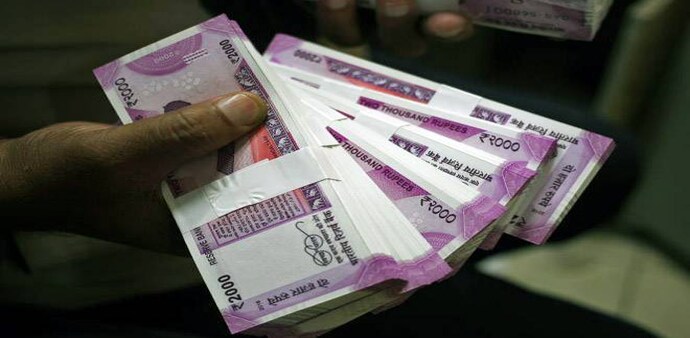
- Feb 28, 2017,
- Updated Feb 28, 2017 6:37 PM IST
In a bid to curb institutional money laundering, the government is likely to shut down at least 7 lakh shell companies operating in India.
Economic Times reported that many of these companies had carried out high-value transactions and deposited huge amounts of cash in banks following the demonetisation of Rs 500 and Rs 1,000 currency notes. The government identified these 'dormant' companies after demonetisation.
The government's latest action may have been based on its latest finding that shows in India there are 15 lakh registered companies, however, only 6 lakh file their annual returns. The government suspects that companies that are registered but never paid tax returns may be indulging in financial irregularities.
"Cleansing the list of 15 lakh registered companies is in itself a huge task since the suspected entities constitute more than 40 per cent of the total registered firms in India. The government has involved multiple agencies with the Central Board of Direct Taxes or CBDT playing a key role," the report said.
According to the report, the CBDT is believed to have impressed upon the government that once these 6-7 lakh dormant firms are de-registered, it could bring an end to 'institutional money laundering' in the country.
"Shell companies have no actual business operation or assets. They are merely used by "entry operators" to launder money on behalf of clients," ET reported.
After demonetisation, the government did a small sample analysis of such companies and found that Rs 1,238 crore cash had been deposited in these entities during November-December period. Serious Fraud Investigation Office (SFIO) had filed criminal prosecution for cheating the National Exchequer after investigation of entry operators running a group of 49 shell companies and other proprietorship concerns.
It was also found that 559 beneficiaries laundered money to the extent of Rs 3,900 crore with the help of 54 professionals who have been identified.
In the initial analysis the government found that 'Shell Companies' were characterized by nominal paid-up capital, high reserves & surplus on account of receipt of high share premium, investment in unlisted companies, no dividend income and huge cash in hand.
Private companies as majority shareholders, low turnover & operating income, nominal expenses, nominal statutory payments & stock in trade and minimum fixed assets are the other features of such shell companies.
Soon after the government identified these companies, It was decided that harsh punitive actions would be taken against the deviant shell companies which will include freezing of bank accounts, striking off the names of dormant companies, invocation of Benami Transactions (Prohibition) Amendment Act, 2016.
In a bid to curb institutional money laundering, the government is likely to shut down at least 7 lakh shell companies operating in India.
Economic Times reported that many of these companies had carried out high-value transactions and deposited huge amounts of cash in banks following the demonetisation of Rs 500 and Rs 1,000 currency notes. The government identified these 'dormant' companies after demonetisation.
The government's latest action may have been based on its latest finding that shows in India there are 15 lakh registered companies, however, only 6 lakh file their annual returns. The government suspects that companies that are registered but never paid tax returns may be indulging in financial irregularities.
"Cleansing the list of 15 lakh registered companies is in itself a huge task since the suspected entities constitute more than 40 per cent of the total registered firms in India. The government has involved multiple agencies with the Central Board of Direct Taxes or CBDT playing a key role," the report said.
According to the report, the CBDT is believed to have impressed upon the government that once these 6-7 lakh dormant firms are de-registered, it could bring an end to 'institutional money laundering' in the country.
"Shell companies have no actual business operation or assets. They are merely used by "entry operators" to launder money on behalf of clients," ET reported.
After demonetisation, the government did a small sample analysis of such companies and found that Rs 1,238 crore cash had been deposited in these entities during November-December period. Serious Fraud Investigation Office (SFIO) had filed criminal prosecution for cheating the National Exchequer after investigation of entry operators running a group of 49 shell companies and other proprietorship concerns.
It was also found that 559 beneficiaries laundered money to the extent of Rs 3,900 crore with the help of 54 professionals who have been identified.
In the initial analysis the government found that 'Shell Companies' were characterized by nominal paid-up capital, high reserves & surplus on account of receipt of high share premium, investment in unlisted companies, no dividend income and huge cash in hand.
Private companies as majority shareholders, low turnover & operating income, nominal expenses, nominal statutory payments & stock in trade and minimum fixed assets are the other features of such shell companies.
Soon after the government identified these companies, It was decided that harsh punitive actions would be taken against the deviant shell companies which will include freezing of bank accounts, striking off the names of dormant companies, invocation of Benami Transactions (Prohibition) Amendment Act, 2016.