
Had RBI Governor Urjit Patel met PM Modi earlier too with a resignation letter?
There are some who speculate that Governor Patel had made up his mind much earlier, but was persuaded to stay till the assembly elections in five states would be completed.
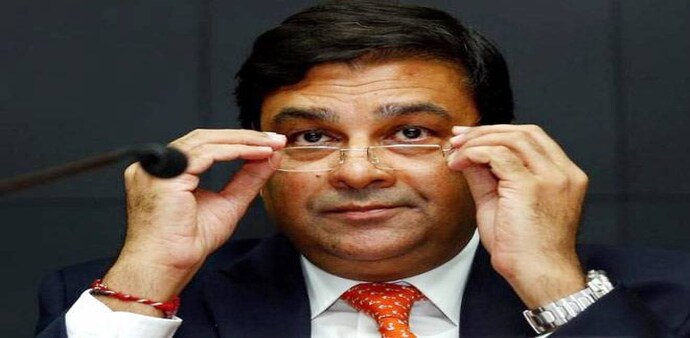
- Dec 10, 2018,
- Updated Dec 10, 2018 10:40 PM IST
Had RBI Governor Urjit Patel made his intention known to the Prime Minister Narendra Modi on November 9 that he doesn't want to continue in office over the mounting differences between the central bank and the government?
There are some who speculate that Governor Patel had made up his mind much earlier, but was persuaded to stay till the assembly elections in five states would be completed. Was today the perfect time to put in his paper? These are all speculations, but there were indeed issues where the government and the RBI were finding it difficult to reconcile. Things were turning more difficult day after day.
The appointment of S Gurumurthy of Swadeshi Jagran Manch to RBI's central board in early August this year added more fuel to the fire. Gurumurthy was more forceful in implementing his agenda. It helped the government nominees as there was support from other directors like Gurumurthy. Governor Patel was not very comfortable when the pressure on the RBI started mounting. The first board meeting on October 23 was stormy and inconclusive. The two critical issues discussed were relaxation in the prompt corrective action (PCA) framework and the transfer of surplus capital of RBI to government. The demands of some of the board members were unreasonable. In fact, the board meeting was inconclusive, though I lasted full nine hours. Just three days later, Viral Acharya, the deputy governor made the scathing public speech on how the government is undermining RBI's authority and independence. Acharya had the blessing of Governor Patel to make the point of RBI's independence. There was a footnote in Viral Acharya's speech which said, "I'm grateful to Governor Urjit Patel for his suggestion to explore this theme for a speech - "On the importance of independent regulatory institutions: The case of the central bank."
Clearly, the speech had the approval of RBI team. Every word of the speech was hard hitting. Acharya even cited Argentine Government's interference with its central bank in 2010 and the eventual impact in its economy and financial market. "The government that does not respect their central bank's independence would sooner or later incur the wrath of financial markets, ignite economic fire and come to rue the day they undermined the regulatory institution," warned Acharya in his speech.
After the speech, some of the board members were baying for Acharya's blood. There was a demand for his resignation also. In fact, Gurumurthy even complained to Governor Patel against Acharya for making the board meetings content public. During the board meeting on November 19, both the government and the RBI agreed to sort out their issues through expert panel and committees, but the issues were still lingering. A call has to be taken for restructuring scheme for MSMEs, liquidity support for NBFCs, relaxation of PCA framework.
The next board meeting on December 14 was supposed to discuss all these issues. The very fact that the RBI board was directing or deciding the matter was something that had never happened in the past. Why do you need a governor when board is to discuss sensitive policy issues and take calls? There was a limit to which RBI could cede its ground. Governor Patel, who was not very comfortable in this new emerging working framework, has finally decided to leave rather than give in.
Had RBI Governor Urjit Patel made his intention known to the Prime Minister Narendra Modi on November 9 that he doesn't want to continue in office over the mounting differences between the central bank and the government?
There are some who speculate that Governor Patel had made up his mind much earlier, but was persuaded to stay till the assembly elections in five states would be completed. Was today the perfect time to put in his paper? These are all speculations, but there were indeed issues where the government and the RBI were finding it difficult to reconcile. Things were turning more difficult day after day.
The appointment of S Gurumurthy of Swadeshi Jagran Manch to RBI's central board in early August this year added more fuel to the fire. Gurumurthy was more forceful in implementing his agenda. It helped the government nominees as there was support from other directors like Gurumurthy. Governor Patel was not very comfortable when the pressure on the RBI started mounting. The first board meeting on October 23 was stormy and inconclusive. The two critical issues discussed were relaxation in the prompt corrective action (PCA) framework and the transfer of surplus capital of RBI to government. The demands of some of the board members were unreasonable. In fact, the board meeting was inconclusive, though I lasted full nine hours. Just three days later, Viral Acharya, the deputy governor made the scathing public speech on how the government is undermining RBI's authority and independence. Acharya had the blessing of Governor Patel to make the point of RBI's independence. There was a footnote in Viral Acharya's speech which said, "I'm grateful to Governor Urjit Patel for his suggestion to explore this theme for a speech - "On the importance of independent regulatory institutions: The case of the central bank."
Clearly, the speech had the approval of RBI team. Every word of the speech was hard hitting. Acharya even cited Argentine Government's interference with its central bank in 2010 and the eventual impact in its economy and financial market. "The government that does not respect their central bank's independence would sooner or later incur the wrath of financial markets, ignite economic fire and come to rue the day they undermined the regulatory institution," warned Acharya in his speech.
After the speech, some of the board members were baying for Acharya's blood. There was a demand for his resignation also. In fact, Gurumurthy even complained to Governor Patel against Acharya for making the board meetings content public. During the board meeting on November 19, both the government and the RBI agreed to sort out their issues through expert panel and committees, but the issues were still lingering. A call has to be taken for restructuring scheme for MSMEs, liquidity support for NBFCs, relaxation of PCA framework.
The next board meeting on December 14 was supposed to discuss all these issues. The very fact that the RBI board was directing or deciding the matter was something that had never happened in the past. Why do you need a governor when board is to discuss sensitive policy issues and take calls? There was a limit to which RBI could cede its ground. Governor Patel, who was not very comfortable in this new emerging working framework, has finally decided to leave rather than give in.