
Heat stress to cost 64% loss in work hours for agricultural workers in India: ILO report
In India, an estimated 4.2 per cent of total hours worked were lost in 1995 due to high heat levels, amounting to 15.1 million full-time jobs.
- May 15, 2018,
- Updated May 15, 2018 7:48 PM IST
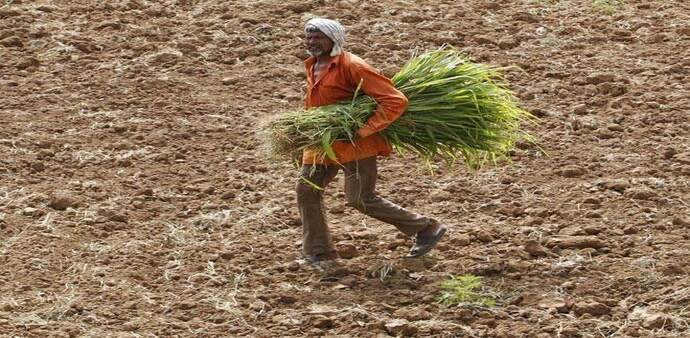
Projected temperature rise will make heat stress more common, reducing the total number of working hours. Agricultural workers will be the worst affected given the physical nature of their work and the fact that a large number of workers are engaged in agriculture in areas which will be most affected by future heat stress. This will result in around 64 per cent loss in total work hours due to heat stress in India by 2030.
The findings are a part of an ILO report called World Employment and Social Outlook 2018: Greening with jobs. In India, an estimated 4.2 per cent of total hours worked were lost in 1995 due to high heat levels, amounting to 15.1 million full-time jobs. Estimates combining a global temperature rise of 1.5 degree Celsius by the end of the 21st century and labour force trends suggest that by 2030, the percentage of total hours of work lost will rise to 5.3 per cent, a productivity loss equivalent to 30.8 million full-time jobs.
Currently, in India, around 194 million jobs (representing 52 per cent of the employed population) rely directly on the effective management and sustainability of a healthy environment, in particular jobs in farming, fishing and forestry relying on natural processes such as air and water purification, soil renewal and fertilisation, pollination, pest control, the moderation of extreme temperatures, and protection against storms, floods and strong winds.
Environmental degradation threatens these ecosystem services and the jobs that depend on them. The effects of environmental degradation on the world of work are particularly acute for the most vulnerable workers. India is rapidly increasing its share of renewable energy sources, but it still relies on coal, oil and natural gas, and the related carbon emissions for 80 per cent of its electricity.
Between 1995 and 2014, it experienced an average annual GDP growth of 5.3 per cent and an increase of GHG emissions at an average annual rate of 3.9 per cent over the same period. Economic activity, economic growth, consumption and development rely, to a larger or lesser extent, on finite natural resources and energy services, which are often linked to GHG emissions and other forms of environmental degradation.
Projected temperature rise will make heat stress more common, reducing the total number of working hours. Agricultural workers will be the worst affected given the physical nature of their work and the fact that a large number of workers are engaged in agriculture in areas which will be most affected by future heat stress. This will result in around 64 per cent loss in total work hours due to heat stress in India by 2030.
The findings are a part of an ILO report called World Employment and Social Outlook 2018: Greening with jobs. In India, an estimated 4.2 per cent of total hours worked were lost in 1995 due to high heat levels, amounting to 15.1 million full-time jobs. Estimates combining a global temperature rise of 1.5 degree Celsius by the end of the 21st century and labour force trends suggest that by 2030, the percentage of total hours of work lost will rise to 5.3 per cent, a productivity loss equivalent to 30.8 million full-time jobs.
Currently, in India, around 194 million jobs (representing 52 per cent of the employed population) rely directly on the effective management and sustainability of a healthy environment, in particular jobs in farming, fishing and forestry relying on natural processes such as air and water purification, soil renewal and fertilisation, pollination, pest control, the moderation of extreme temperatures, and protection against storms, floods and strong winds.
Environmental degradation threatens these ecosystem services and the jobs that depend on them. The effects of environmental degradation on the world of work are particularly acute for the most vulnerable workers. India is rapidly increasing its share of renewable energy sources, but it still relies on coal, oil and natural gas, and the related carbon emissions for 80 per cent of its electricity.
Between 1995 and 2014, it experienced an average annual GDP growth of 5.3 per cent and an increase of GHG emissions at an average annual rate of 3.9 per cent over the same period. Economic activity, economic growth, consumption and development rely, to a larger or lesser extent, on finite natural resources and energy services, which are often linked to GHG emissions and other forms of environmental degradation.