
Key takeaways from RBI chief Urjit Patel's policy announcements
This is the first RBI policy that was decided under the new Monetary Policy Committee (MPC) framework. This was the fourth bi-monthly monetary policy of the RBI.
- Oct 4, 2016,
- Updated Oct 4, 2016 6:14 PM IST
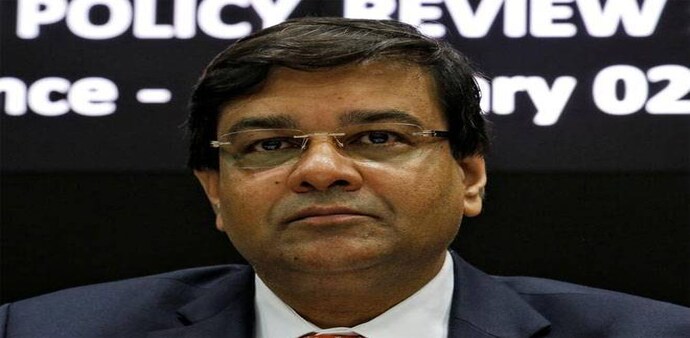
As widely expected, the Reserve Bank of India (RBI) on Tuesday cut the repo rate - the rate at which the banks borrow from the central bank - by 25 basis points (bps) to 6.25 per cent from 6.5 per cent citing easing inflation. In his first Monetary Policy review as a Governor of RBI, Urjit Patel announced the decision to cut the policy repo rate. It was first monetary policy statement after Urijit Patel took over as governor on September 04, 2016.
This is the first RBI policy that was decided under the new Monetary Policy Committee (MPC) framework. This was the fourth bi-monthly monetary policy of the RBI.
On the basis of an assessment of the current and evolving macroeconomic situation at its meeting on Tuesday, the Monetary Policy Committee (MPC) decided to reduce the policy repo rate under the liquidity adjustment facility (LAF). Consequently, the reverse repo rate under the LAF stands adjusted to 5.75 per cent, and the marginal standing facility (MSF) rate and the Bank Rate to 6.75 per cent.
Here are the highlights of 'Fourth Bi-monthly Monetary Policy Statement, 2016-17: Resolution of the Monetary Policy Committee (MPC), Reserve Bank of India'
- Most analysts expected the RBI to cut rates by 25 basis points, but the fact that all six members of the MPC voted in favour of a cut shows that the central bank and the government are increasingly comfortable about the current inflation levels.
- The decision of the MPC is consistent with an accommodative stance of monetary policy in consonance with the objective of achieving consumer price index (CPI) inflation at 5 per cent by Q4 of 2016-17 and the medium-term target of 4 per cent within a band of +/- 2 per cent, while supporting growth.
- The RBI statement indicates that the biggest factor that appears to have worked in favour of a rate cut is good monsoon and the resulting decline in prices."The Committee expects that the strong improvement in sowing, along with supply management measures, will improve the food inflation outlook. It notes that the sharp drop in inflation reflects a downward shift in the momentum of food inflation - which holds the key to future inflation outcomes - rather than merely the statistical effects of a favourable base effect," the RBI statement said.
- The Central bank also expects that the easy liquidity conditions engendered by the Reserve Bank's operations should enable the smooth transmission of the policy action through various market segments. Furthermore, banks should find added impetus for better transmission by the recent downward adjustment in small savings rates.
- The momentum of growth is expected to quicken with a normal monsoon raising agricultural growth and rural demand, as well as by the stimulus to the urban consumption spending from the pay commission's award. The accommodative stance of monetary policy and comfortable liquidity conditions should support a revival of credit to the productive sectors.
As widely expected, the Reserve Bank of India (RBI) on Tuesday cut the repo rate - the rate at which the banks borrow from the central bank - by 25 basis points (bps) to 6.25 per cent from 6.5 per cent citing easing inflation. In his first Monetary Policy review as a Governor of RBI, Urjit Patel announced the decision to cut the policy repo rate. It was first monetary policy statement after Urijit Patel took over as governor on September 04, 2016.
This is the first RBI policy that was decided under the new Monetary Policy Committee (MPC) framework. This was the fourth bi-monthly monetary policy of the RBI.
On the basis of an assessment of the current and evolving macroeconomic situation at its meeting on Tuesday, the Monetary Policy Committee (MPC) decided to reduce the policy repo rate under the liquidity adjustment facility (LAF). Consequently, the reverse repo rate under the LAF stands adjusted to 5.75 per cent, and the marginal standing facility (MSF) rate and the Bank Rate to 6.75 per cent.
Here are the highlights of 'Fourth Bi-monthly Monetary Policy Statement, 2016-17: Resolution of the Monetary Policy Committee (MPC), Reserve Bank of India'
- Most analysts expected the RBI to cut rates by 25 basis points, but the fact that all six members of the MPC voted in favour of a cut shows that the central bank and the government are increasingly comfortable about the current inflation levels.
- The decision of the MPC is consistent with an accommodative stance of monetary policy in consonance with the objective of achieving consumer price index (CPI) inflation at 5 per cent by Q4 of 2016-17 and the medium-term target of 4 per cent within a band of +/- 2 per cent, while supporting growth.
- The RBI statement indicates that the biggest factor that appears to have worked in favour of a rate cut is good monsoon and the resulting decline in prices."The Committee expects that the strong improvement in sowing, along with supply management measures, will improve the food inflation outlook. It notes that the sharp drop in inflation reflects a downward shift in the momentum of food inflation - which holds the key to future inflation outcomes - rather than merely the statistical effects of a favourable base effect," the RBI statement said.
- The Central bank also expects that the easy liquidity conditions engendered by the Reserve Bank's operations should enable the smooth transmission of the policy action through various market segments. Furthermore, banks should find added impetus for better transmission by the recent downward adjustment in small savings rates.
- The momentum of growth is expected to quicken with a normal monsoon raising agricultural growth and rural demand, as well as by the stimulus to the urban consumption spending from the pay commission's award. The accommodative stance of monetary policy and comfortable liquidity conditions should support a revival of credit to the productive sectors.