
Meet six-member RBI Committee which will review your savings and borrowings rates
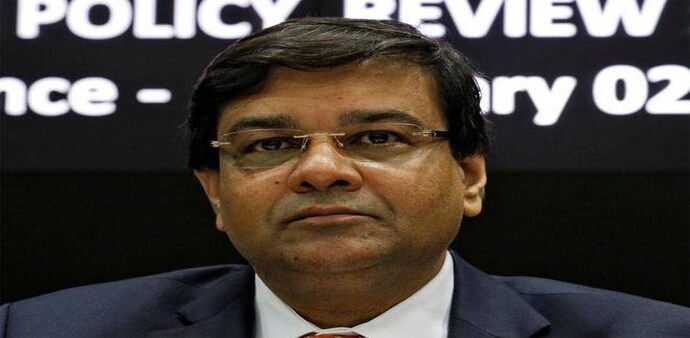
The RBI governor Urjit Patel will head the new six-member MPC and will also have the casting vote in case of a tie in the new system.
- Sep 23, 2016,
- Updated Sep 23, 2016 12:46 PM IST
Paving the way for a major shift in the interest rate-setting mechanism, the government on Thursday named three members for the new Monetary Policy Committee (MPC) who along with three Reserve Bank of India (RBI) nominees will now review rates with an aim to contain retail inflation within targeted 4 per cent.
The RBI governor Urjit Patel will head the new six-member MPC and will also have the casting vote in case of a tie in the new system.
The government nominees on MPC headed by RBI governor Urjit Patel are Chetan Ghate, professor at the Indian Statistical Institute; Pami Dua, Director Delhi School of Economics and Ravindra H Dholakia, professor at IIM-Ahmedabad.
The Appointments Committee of the Cabinet (ACC) cleared the three eminent experts as members on MPC for a period of four years, a government notice said.
RBI nominees are governor Urjit Patel, deputy governor R Gandhi and Michael Patra, an executive director at the central bank.
Below is the profile of all the six members of the MPC, who will review your savings and borrowings rates:
From government
- Chetan Ghate: Ghate is the professor at the Indian Statistical Institute, whose areas of interest are macroeconomic theory and policy, growth and development, political economy, and open economy macroeconomics. He was also part of a five-member technical advisory committee that provided advice on interest rates to the RBI governor ahead of each policy review.
- Pami Dua: Pami Dua, the Director of the Delhi School of Economics (DSE), is the single woman member of MPC. She is an expert on econometrics and forecasting, and has a doctorate from the London School of Economics. Her research work spreads across different fields like business cycle analysis, macroeconomics, econometrics, and forecasting. She is also the Chairperson of the Agricultural Economics Research Centre (AERC) at the University of Delhi.
- Ravindra H Dholakia: Ravindra Dholakia, a faculty member of Economics at the Indian Institute of Management (IIM), Ahmedabad, has also served as an independent director on the boards of several corporations including Gujarat State Financial Services, Union Bank of India, Air India, and Gujarat State Petroleum Corp. He has about 38 years of experience of teaching Economics to different groups like students, executives, policy makers and senior government officers. He was a regular visiting faculty to teach at the European Management Institute (ESCP-EAP), Paris from 2002 to 2005.
- Urjit Patel: Urjit Patel, the new RBI governor, took over from Raghuram Rajan on September 04. As deputy RBI governor, Patel has closely worked with Rajan and possesses sound expertise on macroeconomic management. They both have earlier worked together in the IMF in Washington. On his first day at work, Rajan had appointed a committee under Patel to relook at the monetary policy-making. The committee came up with a report advocating a shift to making RBI an inflation-targeting central bank. Patel's path-breaking report has helped India join the league of developed nations where adoption of flexible inflation targeting has helped anchor inflationary expectations and brought about a structural control over inflation.
- Michael Patra: Patra has been an Executive Director at RBI since October 2014. He serves as a Director of Export-Import Bank of India. He also holds the departments of economic and policy research and monetary policy. Patra has a doctorate in economics from India's top technology institute and undertook post-doctoral research in financial stability at Harvard University In 2010.
- Rama Subramaniam Gandhi: RS Gandhi, the Deputy Governor of the RBI, was appointed in 2014 after a protracted period of uncertainty and controversy following the retirement of Anand Sinha whom he succeeded at office. Gandhi joined Reserve Bank of India in 1980. He worked in diverse areas including currency management and information technology and was also the Executive Assistant to the RBI Governor for more than three years. He had a brief stint at the Securities Exchange Board of India (SEBI) as well. His seminal contribution has been in the field of regulation of OTC Derivative Markets in India and Liquidity Support to Government Securities Market.
Paving the way for a major shift in the interest rate-setting mechanism, the government on Thursday named three members for the new Monetary Policy Committee (MPC) who along with three Reserve Bank of India (RBI) nominees will now review rates with an aim to contain retail inflation within targeted 4 per cent.
The RBI governor Urjit Patel will head the new six-member MPC and will also have the casting vote in case of a tie in the new system.
The government nominees on MPC headed by RBI governor Urjit Patel are Chetan Ghate, professor at the Indian Statistical Institute; Pami Dua, Director Delhi School of Economics and Ravindra H Dholakia, professor at IIM-Ahmedabad.
The Appointments Committee of the Cabinet (ACC) cleared the three eminent experts as members on MPC for a period of four years, a government notice said.
RBI nominees are governor Urjit Patel, deputy governor R Gandhi and Michael Patra, an executive director at the central bank.
Below is the profile of all the six members of the MPC, who will review your savings and borrowings rates:
From government
- Chetan Ghate: Ghate is the professor at the Indian Statistical Institute, whose areas of interest are macroeconomic theory and policy, growth and development, political economy, and open economy macroeconomics. He was also part of a five-member technical advisory committee that provided advice on interest rates to the RBI governor ahead of each policy review.
- Pami Dua: Pami Dua, the Director of the Delhi School of Economics (DSE), is the single woman member of MPC. She is an expert on econometrics and forecasting, and has a doctorate from the London School of Economics. Her research work spreads across different fields like business cycle analysis, macroeconomics, econometrics, and forecasting. She is also the Chairperson of the Agricultural Economics Research Centre (AERC) at the University of Delhi.
- Ravindra H Dholakia: Ravindra Dholakia, a faculty member of Economics at the Indian Institute of Management (IIM), Ahmedabad, has also served as an independent director on the boards of several corporations including Gujarat State Financial Services, Union Bank of India, Air India, and Gujarat State Petroleum Corp. He has about 38 years of experience of teaching Economics to different groups like students, executives, policy makers and senior government officers. He was a regular visiting faculty to teach at the European Management Institute (ESCP-EAP), Paris from 2002 to 2005.
- Urjit Patel: Urjit Patel, the new RBI governor, took over from Raghuram Rajan on September 04. As deputy RBI governor, Patel has closely worked with Rajan and possesses sound expertise on macroeconomic management. They both have earlier worked together in the IMF in Washington. On his first day at work, Rajan had appointed a committee under Patel to relook at the monetary policy-making. The committee came up with a report advocating a shift to making RBI an inflation-targeting central bank. Patel's path-breaking report has helped India join the league of developed nations where adoption of flexible inflation targeting has helped anchor inflationary expectations and brought about a structural control over inflation.
- Michael Patra: Patra has been an Executive Director at RBI since October 2014. He serves as a Director of Export-Import Bank of India. He also holds the departments of economic and policy research and monetary policy. Patra has a doctorate in economics from India's top technology institute and undertook post-doctoral research in financial stability at Harvard University In 2010.
- Rama Subramaniam Gandhi: RS Gandhi, the Deputy Governor of the RBI, was appointed in 2014 after a protracted period of uncertainty and controversy following the retirement of Anand Sinha whom he succeeded at office. Gandhi joined Reserve Bank of India in 1980. He worked in diverse areas including currency management and information technology and was also the Executive Assistant to the RBI Governor for more than three years. He had a brief stint at the Securities Exchange Board of India (SEBI) as well. His seminal contribution has been in the field of regulation of OTC Derivative Markets in India and Liquidity Support to Government Securities Market.