
Demonetisation effect: No takers for Indian rupee abroad
Many Indians who are traveling, studying and residing abroad have also been hit by the government's move to demonetise Rs 500 and Rs 1,000 notes.
- Nov 11, 2016,
- Updated Nov 12, 2016 9:34 AM IST
Many Indians who are traveling, studying and residing abroad have also been hit by the government's move to demonetise Rs 500 and Rs 1,000 notes. Business Today Online spoke to Indians from UAE, America and Australia to find out if they were affected. Some of the Indians living in Dubai said that they wanted to exchange the Indian currency they possess.
Sharmin who works in Dubai wanted to exchange a total of Rs 17,000, consisting of Rs 500 and Rs 1000 notes, but wasn't able to do so.
When she called Bank of Baroda, in which she holds an account, on Thursday to ask if she could exchange her money, she received a negative response.
"They were busy like always when I called. A gentleman over the phone said that they are not accepting the Indian currency at the moment," she said. She said money exchange centres in Dubai were also not accepting the Rs 500 and Rs 1000 notes. She now hopes to get her notes exchanged when she visits India in December.
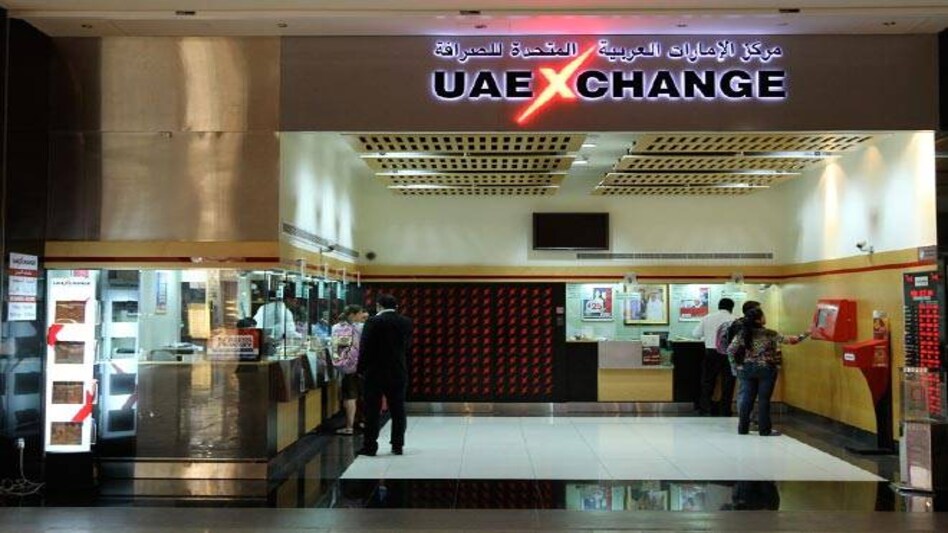
According to reports, money exchanges in the UAE have stopped accepting Indian currencies of any denomination soon after Prime Minister Narendra Modi announced the demonitisation of Rs 500 and Rs 1,000 notes on November 8.
However, Sneha Tirodkar, a mother of two and a Sales Support Manager at Emerson in Dubai, didn't sound too worried over the issue. "We have nothing to worry about as we carry out legal transactions and we have ample amount of time to exchange the currency notes," said Tirodkar.
Mrs Tirodkar also plans to get the currency converted when she comes to India in December to visit her family. Students studying in America were calm over the issue since many of them would be returning to India in December for their annual winter break. "I always carry some money in case I need it while travelling to and from India. Right now I have around seven thousand rupees. I'm not going do anything about it. I've heard that you can deposit it until December end, so will probably do that when I come to Delhi," said 22-year-old Uday Chadha studying in California. Another student studying at the O.P. Jindal University, who is currently in Washington DC for an exchange programme, said she had Rs 5,000 in Indian currencies. She said she will exchange it once she is back. Jugal Shah, who recently migrated to Australia to join his extended family, said he had converted all his INR to Australian dollars right in time, but other members of his family were not as lucky. But none of them have a huge amount to be worried about. "Our entire family stays in Australia, and we have barely Rs 5,000 per head so when one of our cousin sister goes for a wedding to India in December, we will be giving it to her to exchange them all. Not much to worry about," said Shah from Melbourne, Australia. Options for NRIs or Indians traveling abroad:
1. According to the RBI guidelines, if you are an NRI and hold an NRO account, you can deposit these banknotes into the account conveniently. 2. The RBI in its Frequently Asked Questions (FAQs) has said that NRIs who have bank notes in India can authorize, in writing, another person to deposit money into the bank account. 3. If NRIs are not traveling this year, they have time to exchange their bank notes up till March 31st by presenting ID proof. 4. Finally, the government has also said in a statement, "For those who are unable to exchange their Old High Denomination Bank Notes or deposit the same in their bank accounts on or before December 30, 2016, an opportunity will be given to them to do so at specified offices of the RBI on later dates along with necessary documentation as may be specified by the Reserve Bank of India."
Many Indians who are traveling, studying and residing abroad have also been hit by the government's move to demonetise Rs 500 and Rs 1,000 notes. Business Today Online spoke to Indians from UAE, America and Australia to find out if they were affected. Some of the Indians living in Dubai said that they wanted to exchange the Indian currency they possess.
Sharmin who works in Dubai wanted to exchange a total of Rs 17,000, consisting of Rs 500 and Rs 1000 notes, but wasn't able to do so.
When she called Bank of Baroda, in which she holds an account, on Thursday to ask if she could exchange her money, she received a negative response.
"They were busy like always when I called. A gentleman over the phone said that they are not accepting the Indian currency at the moment," she said. She said money exchange centres in Dubai were also not accepting the Rs 500 and Rs 1000 notes. She now hopes to get her notes exchanged when she visits India in December.
According to reports, money exchanges in the UAE have stopped accepting Indian currencies of any denomination soon after Prime Minister Narendra Modi announced the demonitisation of Rs 500 and Rs 1,000 notes on November 8.
However, Sneha Tirodkar, a mother of two and a Sales Support Manager at Emerson in Dubai, didn't sound too worried over the issue. "We have nothing to worry about as we carry out legal transactions and we have ample amount of time to exchange the currency notes," said Tirodkar.
Mrs Tirodkar also plans to get the currency converted when she comes to India in December to visit her family. Students studying in America were calm over the issue since many of them would be returning to India in December for their annual winter break. "I always carry some money in case I need it while travelling to and from India. Right now I have around seven thousand rupees. I'm not going do anything about it. I've heard that you can deposit it until December end, so will probably do that when I come to Delhi," said 22-year-old Uday Chadha studying in California. Another student studying at the O.P. Jindal University, who is currently in Washington DC for an exchange programme, said she had Rs 5,000 in Indian currencies. She said she will exchange it once she is back. Jugal Shah, who recently migrated to Australia to join his extended family, said he had converted all his INR to Australian dollars right in time, but other members of his family were not as lucky. But none of them have a huge amount to be worried about. "Our entire family stays in Australia, and we have barely Rs 5,000 per head so when one of our cousin sister goes for a wedding to India in December, we will be giving it to her to exchange them all. Not much to worry about," said Shah from Melbourne, Australia. Options for NRIs or Indians traveling abroad:
1. According to the RBI guidelines, if you are an NRI and hold an NRO account, you can deposit these banknotes into the account conveniently. 2. The RBI in its Frequently Asked Questions (FAQs) has said that NRIs who have bank notes in India can authorize, in writing, another person to deposit money into the bank account. 3. If NRIs are not traveling this year, they have time to exchange their bank notes up till March 31st by presenting ID proof. 4. Finally, the government has also said in a statement, "For those who are unable to exchange their Old High Denomination Bank Notes or deposit the same in their bank accounts on or before December 30, 2016, an opportunity will be given to them to do so at specified offices of the RBI on later dates along with necessary documentation as may be specified by the Reserve Bank of India."