
Pakistan exports terror, what does India export?
In the aftermath of Sunday's Uri attack which killed 18 soldiers and injured dozens. Traders across the country have called for severing all business ties with the neighbouring country.
- Sep 20, 2016,
- Updated Sep 20, 2016 6:04 PM IST
Trade, it seems, is the only aspect of Indo-Pak relations that has not been hit by the deteriorating ties between the two countries. It rose 6.1 per cent to $409.96 million in the first quarter compared to the same period last year. In 2015/16, both countries had traded goods worth $5.31 billion, down from $6.71 billion in 2014/15.
In the aftermath of Sunday's Uri attack which killed 18 soldiers and injured dozens. Traders across the country have called for severing all business ties with the neighbouring country.
"Time has come for India to take strict and swift action against Pakistan which is responsible for the Uri terror attack that left our several soldiers dead," Amritsar-based trader and President of Federation of Dry Fruit and Haryana Commercial Association, Anil Mehra told PTI.
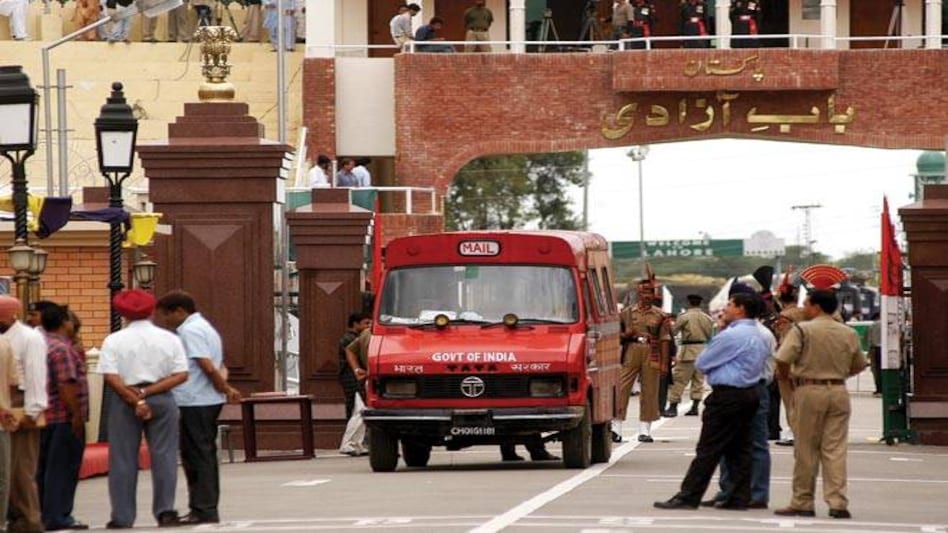
"We urge the Centre to even stop trade with Pakistan through Attar-Wagah land route. We are ready for ending trade ties with the neighbouring country, which is responsible for such an attack. For us, the country comes first and then comes trade. We will do something else for our livelihood," Mehra added.
This year the trade may not surpass the 2014/15 numbers, it is projected to cross last year's level comfortably. It usually surges in winter when demand for fresh fruit, meat, nuts and other agriculture products increases on both sides.
Pakistan, which has one of the largest textile industries in the world, is facing a cotton crisis. Cotton production in Pakistan has fallen 35 per cent this year and imports from India turn out to be much cheaper than from Australia and Africa. Incidentally, Pakistan was the largest buyer of Indian cotton in the 2015/16 season (October-September). It bought 2.5 millon bales (one bale is 170 kg); India's total cotton exports were 6.5 million bales.
Just as Pakistan is facing a cotton crisis, India has of late been unable to produce sufficient cement due to shortage of fly ash supplied by thermal power units. This has triggered a surge in cement imports from Pakistan. Cement from Pakistan turns out to be cheaper. The average price of a sack of an Indian brand is around Rs 550 but Pakistani supplies are sold at Rs 480-500. Cement imports do not attract basic Customs duty but all major inputs such as limestone, gypsum and pet coke do. Indian cement makers have been pushing for additional duties on imported cement.
India has also seen a surge in demand for its sugar. In 2015/16, Indian mills had exported sugar worth $46.46 million to Pakistan. In the first three months of 2015/16 itself, the exports had touched $31.78 million.
India has been traditionally supplying meat, chemicals, artefacts, medicines and agriculture products to Pakistan. This year, there has been a surge in demand for Indian cotton, dairy products and sugar, too. India buys nuts, fruit, cement, leather products, some chemicals and rare earth materials from Pakistan.
India has been pushing Pakistan for normalisation of trade on the basis of the September 2012 roadmap that mentioned removal of all restrictions on trade through the Attari/Wagah border and grant of the Most Favoured Nation (MFN) status to India by December 2012. Pakistan, however, did not adhere to the timeline. India has already given Pakistan the MFN status - which is nothing but a promise not to discriminate against imports from the country that has got the status.
Trade, it seems, is the only aspect of Indo-Pak relations that has not been hit by the deteriorating ties between the two countries. It rose 6.1 per cent to $409.96 million in the first quarter compared to the same period last year. In 2015/16, both countries had traded goods worth $5.31 billion, down from $6.71 billion in 2014/15.
In the aftermath of Sunday's Uri attack which killed 18 soldiers and injured dozens. Traders across the country have called for severing all business ties with the neighbouring country.
"Time has come for India to take strict and swift action against Pakistan which is responsible for the Uri terror attack that left our several soldiers dead," Amritsar-based trader and President of Federation of Dry Fruit and Haryana Commercial Association, Anil Mehra told PTI.
"We urge the Centre to even stop trade with Pakistan through Attar-Wagah land route. We are ready for ending trade ties with the neighbouring country, which is responsible for such an attack. For us, the country comes first and then comes trade. We will do something else for our livelihood," Mehra added.
This year the trade may not surpass the 2014/15 numbers, it is projected to cross last year's level comfortably. It usually surges in winter when demand for fresh fruit, meat, nuts and other agriculture products increases on both sides.
Pakistan, which has one of the largest textile industries in the world, is facing a cotton crisis. Cotton production in Pakistan has fallen 35 per cent this year and imports from India turn out to be much cheaper than from Australia and Africa. Incidentally, Pakistan was the largest buyer of Indian cotton in the 2015/16 season (October-September). It bought 2.5 millon bales (one bale is 170 kg); India's total cotton exports were 6.5 million bales.
Just as Pakistan is facing a cotton crisis, India has of late been unable to produce sufficient cement due to shortage of fly ash supplied by thermal power units. This has triggered a surge in cement imports from Pakistan. Cement from Pakistan turns out to be cheaper. The average price of a sack of an Indian brand is around Rs 550 but Pakistani supplies are sold at Rs 480-500. Cement imports do not attract basic Customs duty but all major inputs such as limestone, gypsum and pet coke do. Indian cement makers have been pushing for additional duties on imported cement.
India has also seen a surge in demand for its sugar. In 2015/16, Indian mills had exported sugar worth $46.46 million to Pakistan. In the first three months of 2015/16 itself, the exports had touched $31.78 million.
India has been traditionally supplying meat, chemicals, artefacts, medicines and agriculture products to Pakistan. This year, there has been a surge in demand for Indian cotton, dairy products and sugar, too. India buys nuts, fruit, cement, leather products, some chemicals and rare earth materials from Pakistan.
India has been pushing Pakistan for normalisation of trade on the basis of the September 2012 roadmap that mentioned removal of all restrictions on trade through the Attari/Wagah border and grant of the Most Favoured Nation (MFN) status to India by December 2012. Pakistan, however, did not adhere to the timeline. India has already given Pakistan the MFN status - which is nothing but a promise not to discriminate against imports from the country that has got the status.