
Why Viral Acharya, not Urjit Patel may face the axe in RBI board meeting
Should discussions between the government and RBI break down, the former may choose to invoke Section 7 of the Reserve Bank of India Act, 1934, according to a RBI board member.
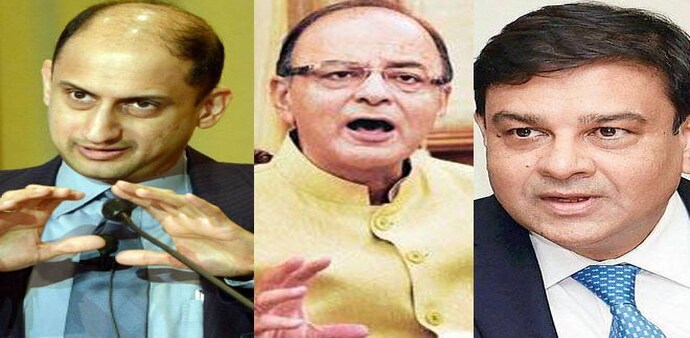
- Nov 14, 2018,
- Updated Nov 14, 2018 8:02 PM IST
The ongoing friction between the Reserve Bank of India (RBI) and the government is widely expected to lead to a showdown at the upcoming RBI board meeting on November 19. The buzz last week was that RBI Governor Urjit Patel could resign at the meeting if the feud over issues such as surplus size of cash reserves and the autonomy of the RBI escalated.
But, perhaps, its Deputy Governor Viral Acharya who may face the axe. A person familiar with the deliberations within central bank's board told Mint that should discussions between the government and RBI break down, the former may choose to invoke Section 7 of the Reserve Bank of India Act, 1934.
If that happens, the five representatives of the central bank, including Patel, and the two finance ministry secretaries have to withdraw from further deliberations of the board, and the independent directors of the central bank will then pass resolutions on contentious issues.
Significantly, some independent directors are upset with Acharya for his fiery speech protesting government interference following RBI's October 23 board meeting. According to the daily, at least four of the 11 independent directors could move a no-confidence motion against Acharya for publicly airing his views.
"The danger in this board meeting is that it will boil down to voting. If both sides do not budge from their positions after their presentations, they will have to walk out of the room. The government is clear that there needs to be resolution of all the contentious issues at this meeting," said the source.
The issues to be discussed at the upcoming meeting include liquidity measures for non-banking financial companies (NBFCs) and micro, small and medium enterprises (MSMEs) and RBI's controversial February 12 circular outlining a stricter framework for resolution of stressed assets.
The meeting will start with a presentation by economic affairs secretary, Subhash Chandra Garg, which he could not make in the last meeting.
Once the government invokes Section 7, the powers of the RBI board will be supreme. "Subject to any such directions, the general superintendence and direction of the affairs and business of the bank shall be entrusted to a central board of directors, which may exercise all powers and do all acts and things which may be exercised or done by the bank," reads the relevant part of Section 7 (2) of the RBI Act.
"The assertion of powers of the RBI board never came up all this while as the importance of section 7.2 was never realized," the source added. According to this person, most independent directors are in favour of easing liquidity for NBFCs and small businesses. However, on the issue of a new economic capital framework through which the government seeks transfer of a major chunk of RBI reserves, it is a "divided house".
Of course, scope for compromise still exists. Patel's meeting with Prime Minister Narendra Modi last week could be a sign of thaw between the two sides. Government sources told India Today TV that the duo discussed various points of friction and that the RBI might agree to some demands of the central government. Moreover, the Centre has already clarified that it is not seeking transfer of Rs 3.6-lakh crore reserves from the RBI and the only proposal under discussion is to fix appropriate economic capital framework of the RBI.
Much now depends on the outcome of the November 19 meeting.
With Reuters inputs
The ongoing friction between the Reserve Bank of India (RBI) and the government is widely expected to lead to a showdown at the upcoming RBI board meeting on November 19. The buzz last week was that RBI Governor Urjit Patel could resign at the meeting if the feud over issues such as surplus size of cash reserves and the autonomy of the RBI escalated.
But, perhaps, its Deputy Governor Viral Acharya who may face the axe. A person familiar with the deliberations within central bank's board told Mint that should discussions between the government and RBI break down, the former may choose to invoke Section 7 of the Reserve Bank of India Act, 1934.
If that happens, the five representatives of the central bank, including Patel, and the two finance ministry secretaries have to withdraw from further deliberations of the board, and the independent directors of the central bank will then pass resolutions on contentious issues.
Significantly, some independent directors are upset with Acharya for his fiery speech protesting government interference following RBI's October 23 board meeting. According to the daily, at least four of the 11 independent directors could move a no-confidence motion against Acharya for publicly airing his views.
"The danger in this board meeting is that it will boil down to voting. If both sides do not budge from their positions after their presentations, they will have to walk out of the room. The government is clear that there needs to be resolution of all the contentious issues at this meeting," said the source.
The issues to be discussed at the upcoming meeting include liquidity measures for non-banking financial companies (NBFCs) and micro, small and medium enterprises (MSMEs) and RBI's controversial February 12 circular outlining a stricter framework for resolution of stressed assets.
The meeting will start with a presentation by economic affairs secretary, Subhash Chandra Garg, which he could not make in the last meeting.
Once the government invokes Section 7, the powers of the RBI board will be supreme. "Subject to any such directions, the general superintendence and direction of the affairs and business of the bank shall be entrusted to a central board of directors, which may exercise all powers and do all acts and things which may be exercised or done by the bank," reads the relevant part of Section 7 (2) of the RBI Act.
"The assertion of powers of the RBI board never came up all this while as the importance of section 7.2 was never realized," the source added. According to this person, most independent directors are in favour of easing liquidity for NBFCs and small businesses. However, on the issue of a new economic capital framework through which the government seeks transfer of a major chunk of RBI reserves, it is a "divided house".
Of course, scope for compromise still exists. Patel's meeting with Prime Minister Narendra Modi last week could be a sign of thaw between the two sides. Government sources told India Today TV that the duo discussed various points of friction and that the RBI might agree to some demands of the central government. Moreover, the Centre has already clarified that it is not seeking transfer of Rs 3.6-lakh crore reserves from the RBI and the only proposal under discussion is to fix appropriate economic capital framework of the RBI.
Much now depends on the outcome of the November 19 meeting.
With Reuters inputs