
Centre tables second supplementary demand for grant for FY26 with net cash outgo of Rs 2.01 lakh crore
Seeks additional Rs 19,230 crore for fertiliser subsidy, including Rs 15,000 crore for nutrient based subsidies
- Mar 10, 2026,
- Updated Mar 10, 2026 4:33 PM IST
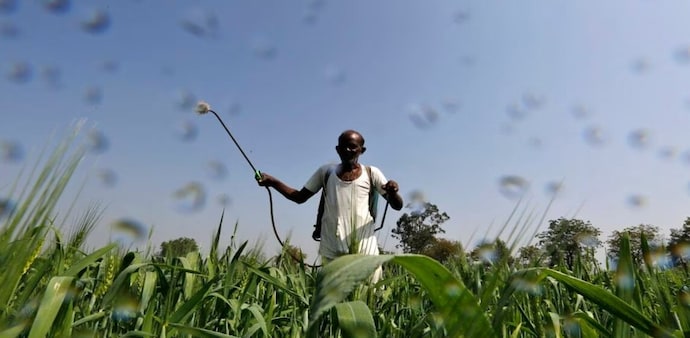
The Centre on Tuesday tabled the second supplementary demand for grants for 2025-26, seeking Parliamentary approval for 61 grants, including additional spending of Rs 19,230 crore on fertiliser subsidy.
The total outlay sought in the second supplementary demand for grants envisages gross additional expenditure of Rs 2.81 lakh crore of which the net cash outgo totals Rs 2.01 lakh crore. The remaining Rs 80,145.71 crore will be matched by savings of the ministries and departments or by enhanced receipts and recoveries.
The West Asia conflict has led to concerns of a supply shortage and price disruptions of key inputs including urea and di-ammonium phosphate (DAP). In the second supplementary demand for grants, the Centre has sought an additional Rs 15,000 crore for meeting additional expenditure under the Nutrient Based Subsidy Policy. This includes Rs 5,244 crore for indigenous P&K-Gen Component and Rs 7,866 crore for imported P&K-Gen Component amongst others. It has also sought Rs 4,230 crore for meeting additional expenditure under urea subsidy.
For FY26, the Centre had increased the fertiliser subsidy amount to Rs 1.86 lakh crore in the Revised Estimate from Rs 1.67 lakh crore in the Budget estimate. For FY27, the Centre has allocated Rs 1.71 lakh crore as fertilizer subsidy in FY27. Previously, the Fertilizer Association of India had estimated that India’s fertilizer imports are likely to jump by 41% to 22.3 million tonne this fiscal due to good demand following good monsoon rains. India imports a third of its fertilizer requirements.
A report by ICRA on Tuesday noted that urea prices have increased sharply on March 4, 2026 to around $597/MT from around $484/MT on February 27, 2026, reflecting supply disruptions from the West Asian nations. Similarly, DAP prices have also risen sharply. “Given the constrained global supplies, prices may rise further if the conflict elongates and will put pressure on the subsidy budget for the Government of India,” it said. India’s domestic urea production has sizeable dependence on imported LNG, with about 85% of the demand met through import in the nine months of this fiscal.
The supplementary demand for grants was tabled in Parliament by Finance Minister Nirmala Sitharaman. The largest outlay of Rs 59,085 crore is sought by the department of economic affairs for meeting additional expenditure towards the Inter Account Transfers of Rs 1703.44 crore to Gold Reserve Fund. Sovereign Gold Bond Scheme, 2015 and Inter Account Transfers of Rs 1 lakh crore under the Economic Stabilization Fund.
Besides, the government has also sought Rs 30,116.80 crore for transfers to states for meeting additional expenditure towards Grants in-Aid-General, State Disaster Response Fund Grants, State Disaster Mitigation Fund Grants, Support for Diagnostic Infrastructure to the Primary Healthcare Facilities, Urban Health And Wellness Centres, amongst others.
The Parliament had in December passed the first batch with gross additional expenditure of Rs 1.32 lakh crore, including proposals with a net cash outgo of Rs 41,455.39 crore. At the time, the Centre had taken Parliamentary approval for spending Rs 18,525 crore on fertiliser and related subsidies and about Rs 9,500 crore to compensate oil marketing companies for under-recoveries.
The Centre on Tuesday tabled the second supplementary demand for grants for 2025-26, seeking Parliamentary approval for 61 grants, including additional spending of Rs 19,230 crore on fertiliser subsidy.
The total outlay sought in the second supplementary demand for grants envisages gross additional expenditure of Rs 2.81 lakh crore of which the net cash outgo totals Rs 2.01 lakh crore. The remaining Rs 80,145.71 crore will be matched by savings of the ministries and departments or by enhanced receipts and recoveries.
The West Asia conflict has led to concerns of a supply shortage and price disruptions of key inputs including urea and di-ammonium phosphate (DAP). In the second supplementary demand for grants, the Centre has sought an additional Rs 15,000 crore for meeting additional expenditure under the Nutrient Based Subsidy Policy. This includes Rs 5,244 crore for indigenous P&K-Gen Component and Rs 7,866 crore for imported P&K-Gen Component amongst others. It has also sought Rs 4,230 crore for meeting additional expenditure under urea subsidy.
For FY26, the Centre had increased the fertiliser subsidy amount to Rs 1.86 lakh crore in the Revised Estimate from Rs 1.67 lakh crore in the Budget estimate. For FY27, the Centre has allocated Rs 1.71 lakh crore as fertilizer subsidy in FY27. Previously, the Fertilizer Association of India had estimated that India’s fertilizer imports are likely to jump by 41% to 22.3 million tonne this fiscal due to good demand following good monsoon rains. India imports a third of its fertilizer requirements.
A report by ICRA on Tuesday noted that urea prices have increased sharply on March 4, 2026 to around $597/MT from around $484/MT on February 27, 2026, reflecting supply disruptions from the West Asian nations. Similarly, DAP prices have also risen sharply. “Given the constrained global supplies, prices may rise further if the conflict elongates and will put pressure on the subsidy budget for the Government of India,” it said. India’s domestic urea production has sizeable dependence on imported LNG, with about 85% of the demand met through import in the nine months of this fiscal.
The supplementary demand for grants was tabled in Parliament by Finance Minister Nirmala Sitharaman. The largest outlay of Rs 59,085 crore is sought by the department of economic affairs for meeting additional expenditure towards the Inter Account Transfers of Rs 1703.44 crore to Gold Reserve Fund. Sovereign Gold Bond Scheme, 2015 and Inter Account Transfers of Rs 1 lakh crore under the Economic Stabilization Fund.
Besides, the government has also sought Rs 30,116.80 crore for transfers to states for meeting additional expenditure towards Grants in-Aid-General, State Disaster Response Fund Grants, State Disaster Mitigation Fund Grants, Support for Diagnostic Infrastructure to the Primary Healthcare Facilities, Urban Health And Wellness Centres, amongst others.
The Parliament had in December passed the first batch with gross additional expenditure of Rs 1.32 lakh crore, including proposals with a net cash outgo of Rs 41,455.39 crore. At the time, the Centre had taken Parliamentary approval for spending Rs 18,525 crore on fertiliser and related subsidies and about Rs 9,500 crore to compensate oil marketing companies for under-recoveries.