
Credit guarantee for MSMEs soon? Centre likely to approve relief package
BT-C Fore Business Confidence Survey for Q1FY27 highlights grim mood amidst war; MSMEs least confident
- Apr 28, 2026,
- Updated Apr 28, 2026 2:33 PM IST
With the war in West Asia hitting critical supplies of energy and raw materials as well as outbound exports, the Centre is likely to approve a special relief package for micro, small and medium enterprises (MSMEs) at the earliest.
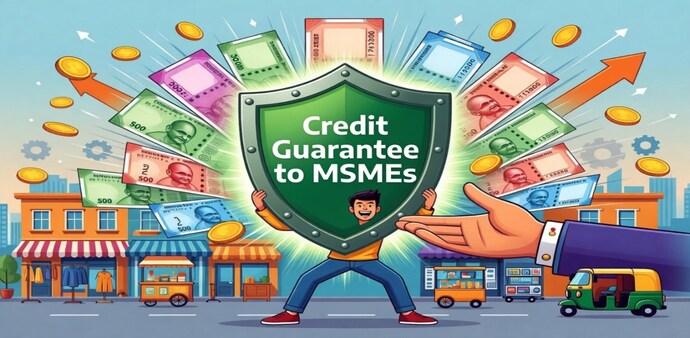
According to sources, a scheme for Rs 2.5 lakh crore of credit guarantee to MSMEs is likely to be approved by the Union Cabinet in its next meeting. The objective of the scheme, on the lines of the Emergency Credit Guarantee Scheme announced during the Covid-19 pandemic in 2020, would be to help MSMEs meet expenses and have adequate working capital.
Must Read: BT Explainer: How does the Pay Commission work?
The scheme is likely to cover a period of four to five years and would be run by the National Credit Guarantee Trustee Company (NCGTC). According to sources, the finance ministry and the ministry of MSME have had several rounds of discussions with stakeholders and MSME players, who have highlighted issues around higher expenses due to costlier raw materials and difficulties in getting supplies. Further, they have also raised concerns over exports that have got stuck and problems in adequate working capital and repayment of loans.
Sources said that MSMEs have sought a Covid-like package from the government, including funding support as well as easier norms for supply to government orders to help them tide over the current crisis. In fact, the BT-C Fore Business Confidence Survey of 500 chief executive officers and chief financial officers for the first quarter of the financial year 2026-27 (Q1FY27) revealed that business confidence in India Inc is low, and MSMEs are the worst impacted.
Don't Miss: Will the handset boom transform India into an electronics manufacturing powerhouse?
The latest BCI survey was conducted between March 24 and April 6, 2026, and the Business Confidence Index (BCI) came in at 47.2 on a scale of 100 in Q1, reflecting the high degree of uncertainty in which companies are operating. A reading below 50 indicates a negative mood and severe stress for businesses. Among sectors, it was the lowest for light industries, comprising segments such as food and beverages, textiles, leather and paper, with a reading of 46.5. In terms of size, micro enterprises were the least confident, with a reading of 46.3.
On the BCI findings, Anil Bhardwaj, Secretary General of the industry lobby Federation of Indian Micro and Small & Medium Enterprises (FISME), had said that for MSMEs, it’s not a single narrative. “When the war started, the biggest problem was stuck or delayed shipments. This was eventually resolved through government efforts,” he says. There have also been challenges in the supply of gas—many MSMEs depend on it for production—but that too is getting resolved now.
Further, MSMEs dependent on raw material like petroleum and chemicals from West Asia have faced disruptions in supply chains. While they have been able to procure from other countries, prices have increased and will eventually be passed on to end consumers. There are also problems of cash flow and liquidity.
With the war in West Asia hitting critical supplies of energy and raw materials as well as outbound exports, the Centre is likely to approve a special relief package for micro, small and medium enterprises (MSMEs) at the earliest.
According to sources, a scheme for Rs 2.5 lakh crore of credit guarantee to MSMEs is likely to be approved by the Union Cabinet in its next meeting. The objective of the scheme, on the lines of the Emergency Credit Guarantee Scheme announced during the Covid-19 pandemic in 2020, would be to help MSMEs meet expenses and have adequate working capital.
Must Read: BT Explainer: How does the Pay Commission work?
The scheme is likely to cover a period of four to five years and would be run by the National Credit Guarantee Trustee Company (NCGTC). According to sources, the finance ministry and the ministry of MSME have had several rounds of discussions with stakeholders and MSME players, who have highlighted issues around higher expenses due to costlier raw materials and difficulties in getting supplies. Further, they have also raised concerns over exports that have got stuck and problems in adequate working capital and repayment of loans.
Sources said that MSMEs have sought a Covid-like package from the government, including funding support as well as easier norms for supply to government orders to help them tide over the current crisis. In fact, the BT-C Fore Business Confidence Survey of 500 chief executive officers and chief financial officers for the first quarter of the financial year 2026-27 (Q1FY27) revealed that business confidence in India Inc is low, and MSMEs are the worst impacted.
Don't Miss: Will the handset boom transform India into an electronics manufacturing powerhouse?
The latest BCI survey was conducted between March 24 and April 6, 2026, and the Business Confidence Index (BCI) came in at 47.2 on a scale of 100 in Q1, reflecting the high degree of uncertainty in which companies are operating. A reading below 50 indicates a negative mood and severe stress for businesses. Among sectors, it was the lowest for light industries, comprising segments such as food and beverages, textiles, leather and paper, with a reading of 46.5. In terms of size, micro enterprises were the least confident, with a reading of 46.3.
On the BCI findings, Anil Bhardwaj, Secretary General of the industry lobby Federation of Indian Micro and Small & Medium Enterprises (FISME), had said that for MSMEs, it’s not a single narrative. “When the war started, the biggest problem was stuck or delayed shipments. This was eventually resolved through government efforts,” he says. There have also been challenges in the supply of gas—many MSMEs depend on it for production—but that too is getting resolved now.
Further, MSMEs dependent on raw material like petroleum and chemicals from West Asia have faced disruptions in supply chains. While they have been able to procure from other countries, prices have increased and will eventually be passed on to end consumers. There are also problems of cash flow and liquidity.