
‘Don’t panic’: Raghuram Rajan says govt should not deplete reserves to defend rupee
Raghuram Rajan warned that if oil levels stayed elevated, it could push the current account deficit wider.
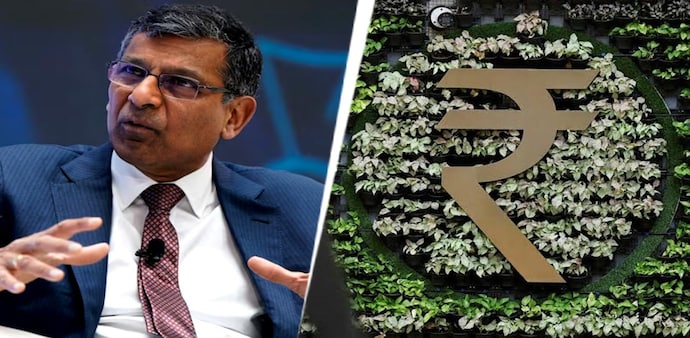
- Oct 27, 2026,
- Updated Oct 27, 2026 3:31 PM IST
India should not panic or fixate on a number for its currency level, said former Reserve Bank of India governor and professor of finance at the University of Chicago Booth School of Business, Raghuram Rajan. His comments come as the rupee loses 6 per cent of its value so far in 2026. It has been the worst-performing currency in Asia, and hit a record low of 96.96 in May.
Speaking at the Reuters Global Markets Forum, Rajan said, “I think the first response would be, don't panic.” He warned that if oil levels stayed elevated, it could push the current account deficit wider.
"I would take a very sensible view and look at the longer term, and examine whether this (situation) is an outlier relative to past episodes," he said. "Some currency depreciation is not necessarily a bad thing in this kind of environment. It allows you to stabilise your exports (and) makes your goods more competitive,” said Rajan.
"We just spent a lot of money trying to get the FCNR(B) money in. It would be a shame if that was quickly spent in defending a level, which historically we haven't done,” said Rajan, adding that If the West Asia war reignites and Gulf energy infrastructure is hit, oil-consuming emerging markets would suffer. "As they say, 'you ain't seen nothing yet,' if this really gets that bad."
India has deployed about half of the over $140 billion secured through special measures earlier this year to support its currency and absorb surplus banking system liquidity.
THE RUPEE
The rupee depreciated by 7 paise to 95.22 against the US dollar in early trade on Tuesday. Over the last three sessions, the Indian currency lost 77 paise against the dollar, showing persistent pressure despite the economy's relatively strong growth.
DON'T MISS | Strong GDP, weak rupee: Why India cannot stop its currency from falling
At the interbank foreign exchange market, the rupee opened at 95.17 and briefly recovered to 95.11 before slipping to 95.22. On Monday, it had fallen 22 paise to settle at 95.15, marking its third consecutive session of losses.
Forex traders noted some recovery due to likely intervention by the Reserve Bank of India, but foreign fund outflows and weak domestic equity sentiment continued to weigh on the currency.
Analysts linked the high oil prices to Houthi-led attacks on Saudi Arabia’s oil infrastructure, raising concerns over global supply-chain disruptions.
India’s reliance on imported oil makes the rupee vulnerable to energy price shocks. Higher crude prices increase the dollar demand of Indian importers and can widen the current-account deficit, increasing the need for external financing.
Foreign capital outflows have added to the pressure. Overseas investors have sold more than $30 billion of Indian stocks since early 2026, according to Bloomberg. Foreign Institutional Investors offloaded equities worth Rs 1,462.49 crore on Monday.
The rupee’s pressure also reflects longer-term issues, including import dependence, inflation, and reliance on foreign capital. US tariffs on Indian imports last year raised investor concerns over trade, valuations, and corporate earnings.
RBI intervention can help reduce excessive volatility, but sustained currency stability will depend on oil prices, inflation, export competitiveness, and the ability to attract foreign capital.