
E20 petrol row: Centre rejects Karnataka's 31% ethanol claim, says all 893 samples passed quality tests
The Centre has rejected Karnataka's claim of up to 31% ethanol blending in petrol, citing 893 compliant samples across 27 states and UTs. Oil companies have questioned the state's testing methods and sought independent verification.
- Nov 7, 2026,
- Updated Nov 7, 2026 3:59 PM IST
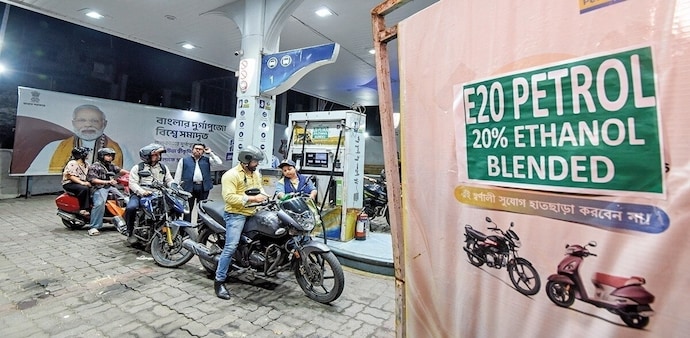
The Centre has rejected the Karnataka government's allegations of excessive ethanol blending in petrol, saying all 893 fuel samples tested across 27 states and Union Territories complied with prescribed quality standards. The clarification comes after Karnataka claimed that petrol sold at certain retail outlets contained ethanol levels as high as 31%, significantly above the government's 20% blending target.
In a statement issued on November 7, the Ministry of Petroleum and Natural Gas said public sector oil marketing companies (OMCs)—Indian Oil Corporation (IOCL), Bharat Petroleum Corporation (BPCL) and Hindustan Petroleum Corporation (HPCL)—had challenged the state's findings, citing discrepancies in sampling procedures and laboratory testing methods.
What Karnataka alleged
Karnataka Minister Rizwan Arshad claimed on Friday that independent laboratory tests of petrol samples collected from seven districts revealed ethanol blending of 31.2% in IOCL fuel and 30.5% in HPCL fuel.
Congress leader Rahul Gandhi amplified the allegations on social media, accusing the Centre of misleading motorists.
"The Modi government says that there is 20% ethanol in petrol. The Karnataka government collected petrol samples from 7 districts and got them tested in an accredited lab," Gandhi said.
He alleged that excessive blending could reduce vehicle mileage and increase maintenance expenses, describing the situation as "petrol theft from the public's vehicles!"
Centre cites 893 compliant samples
Rejecting the allegations, the Petroleum Ministry said 893 E20 samples collected from IOCL, BPCL and HPCL depots and retail outlets across 27 states and UTs were tested under the prescribed BIS standard, IS 17021.
All samples contained ethanol within the permitted 19–21% range.
Of these, 56 samples were collected from Karnataka. Every sample complied with specifications, recording ethanol levels between 19% and 20%, with an average of 19.30%.
Why testing methods are disputed
The OMCs questioned Karnataka's October testing exercise, claiming samples were collected without their representatives and that counterpart samples and complete laboratory reports had not been shared.
They also argued that third-party laboratory certificates lacked details about the prescribed gas chromatography testing method, sample dilution and reference materials.
According to the Ministry, these omissions prevent independent validation of Karnataka's reported 26–31% ethanol levels.
ALSO READ: Govt officially notifies E100 fuel for flex-fuel vehicles to curb crude imports and emissions
What about consumer concerns?
The Centre also disputed estimates suggesting E20 petrol could cause ₹1.01 lakh crore in annual consumer losses, including ₹62,000 crore from reduced mileage and ₹39,000 crore in vehicle repairs.
Citing technical studies, it said E20-compatible vehicles could experience mileage reductions of 1–2%, while certain other vehicles may see reductions of 3–6%.
The OMCs have sought joint sampling and independent testing at authorised laboratories to resolve the dispute.
Until comparable testing is completed, the conflicting findings remain unresolved.
DO READ: E20 fuel and older petrol cars: Could engine damage lead to an insurance claim rejection?