
Fair case for the rupee to not just stabilise, but even appreciate: RBI Deputy Governor
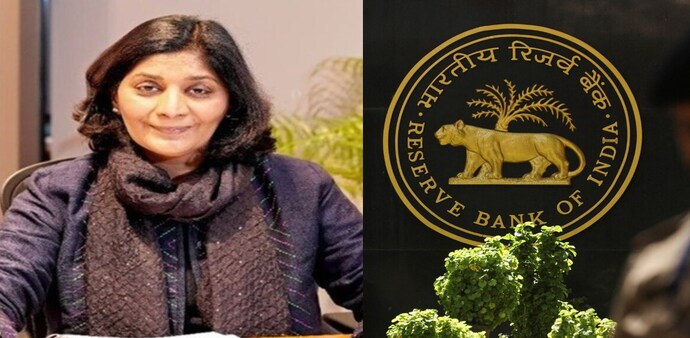
Speaking at the SBI Banking and Economics Conclave, Poonam Gupta said that India has perhaps been among the most challenged emerging market economies over the past year and a half, but has emerged from the various shocks structurally stronger
- Sep 23, 2026,
- Updated Sep 23, 2026 7:44 PM IST
The rupee has been under pressure amid the conflict in West Asia, which drove up energy prices and raised India's import bill.
Despite huge inflows of $133 billion via foreign currency non-resident bank (FCNR (B)) deposits over the past few months, following a special concessional swap window the central bank announced in June, and RBI interventions, the rupee hasn't seen a significant appreciation.
Don't Miss: RBI to conduct OMO sale of Rs 25,000 crore in government bonds on September 28
The rupee had hit a record low of 96.96 to the US dollar in May. On Wednesday, the rupee closed at 95.74 against the greenback.
RBI Deputy Governor Poonam Gupta feels there is a case for the rupee to appreciate.
"With the RBI remaining committed to ensuring orderly conditions in the foreign exchange market, and having the wherewithal to meet decades' worth of CAD (current account deficit), or the net BOP (balance of payment) deficit, the current market dynamics do not appear especially well-founded," she said while speaking at the SBI Banking and Economics Conclave.
"If anything, there seems to be a fair case for the rupee to not just stabilise but perhaps even appreciate from the current levels, as was being anticipated by the market analysts when the capital flow measures were first announced," Gupta stressed.
Must Read: BT Big Story: How the FCNR(B) deluge has created two new problems for the RBI
According to the deputy governor, India's current account deficit as per cent of GDP has declined over time, bringing resilience to the balance of payment. Furthermore, she pointed out that the CAD levels have remained far below the levels generally considered to be prudent for emerging market economies.
She expects CAD to shrink further in the coming years, with the traditional strengths persisting and the new ones emerging, including the growing success in merchandise exports.
Gupta stated that India's economy has emerged from the shocks largely unscathed, and perhaps even stronger structurally, and felt confident of a broad-based growth ahead.
"It is advancing ahead on a resilient growth equilibrium of 7% plus, that is spatially broad-based; sectorally diversified; and underpinned by rising productivity, while steadily working to break into a 8% plus equilibrium," she noted.
She flagged a disconnect between the real economy and parts of the financial market. While the bond market had performed well, the equity market hasn't tracked the same optimism she noted.
"The relative strength of the market is due to the fiscal commitment of the government; and the projected sustained high economic growth rates that would make the fiscal outcomes even better going forward. Credibility of monetary policy, declining structural pressures on inflation have contributed as well," she pointed.
Gupta attributed the equity market mood to relatively more promising AI-led story in certain other economies, but felt that, going by the past experiences, it was only a matter of time before Indian equities look relatively more attractive again.
The rupee has been under pressure amid the conflict in West Asia, which drove up energy prices and raised India's import bill.
Despite huge inflows of $133 billion via foreign currency non-resident bank (FCNR (B)) deposits over the past few months, following a special concessional swap window the central bank announced in June, and RBI interventions, the rupee hasn't seen a significant appreciation.
Don't Miss: RBI to conduct OMO sale of Rs 25,000 crore in government bonds on September 28
The rupee had hit a record low of 96.96 to the US dollar in May. On Wednesday, the rupee closed at 95.74 against the greenback.
RBI Deputy Governor Poonam Gupta feels there is a case for the rupee to appreciate.
"With the RBI remaining committed to ensuring orderly conditions in the foreign exchange market, and having the wherewithal to meet decades' worth of CAD (current account deficit), or the net BOP (balance of payment) deficit, the current market dynamics do not appear especially well-founded," she said while speaking at the SBI Banking and Economics Conclave.
"If anything, there seems to be a fair case for the rupee to not just stabilise but perhaps even appreciate from the current levels, as was being anticipated by the market analysts when the capital flow measures were first announced," Gupta stressed.
Must Read: BT Big Story: How the FCNR(B) deluge has created two new problems for the RBI
According to the deputy governor, India's current account deficit as per cent of GDP has declined over time, bringing resilience to the balance of payment. Furthermore, she pointed out that the CAD levels have remained far below the levels generally considered to be prudent for emerging market economies.
She expects CAD to shrink further in the coming years, with the traditional strengths persisting and the new ones emerging, including the growing success in merchandise exports.
Gupta stated that India's economy has emerged from the shocks largely unscathed, and perhaps even stronger structurally, and felt confident of a broad-based growth ahead.
"It is advancing ahead on a resilient growth equilibrium of 7% plus, that is spatially broad-based; sectorally diversified; and underpinned by rising productivity, while steadily working to break into a 8% plus equilibrium," she noted.
She flagged a disconnect between the real economy and parts of the financial market. While the bond market had performed well, the equity market hasn't tracked the same optimism she noted.
"The relative strength of the market is due to the fiscal commitment of the government; and the projected sustained high economic growth rates that would make the fiscal outcomes even better going forward. Credibility of monetary policy, declining structural pressures on inflation have contributed as well," she pointed.
Gupta attributed the equity market mood to relatively more promising AI-led story in certain other economies, but felt that, going by the past experiences, it was only a matter of time before Indian equities look relatively more attractive again.