
EXCLUSIVE: Falling rupee, gas pricing pits natural gas unfavourably against fuel, says AG&P Pratham COO
To remain competitive in the long-term, leading CGD players may eventually look towards forming a buyer’s group – subject to government policy – to directly source gas from the free market.
- Jul 26, 2022,
- Updated Jul 26, 2022 7:56 PM IST
A falling rupee would not only make natural gas costlier but may also perceptibly pit it unfavourably against fuels such as diesel and petroleum, a senior executive with a leading city gas distributor (CGD) has said.
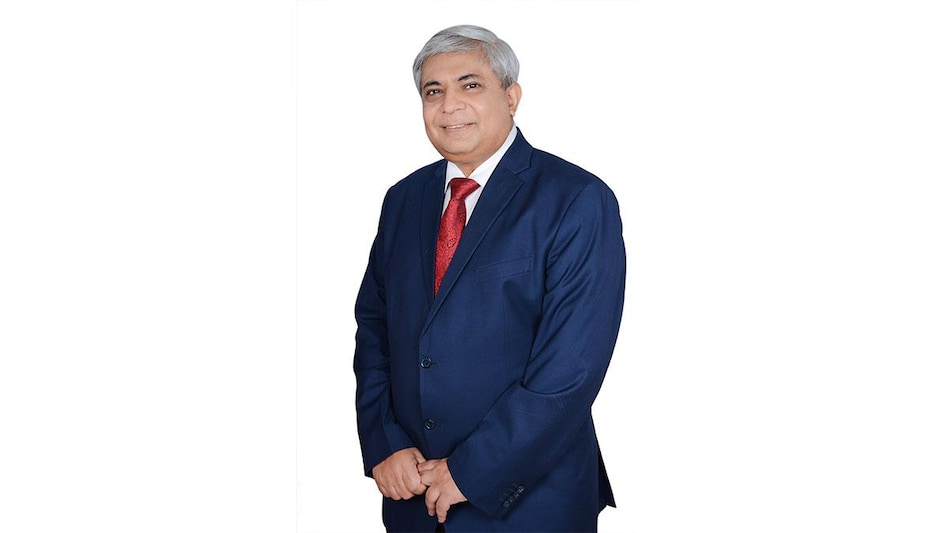
“A depreciating rupee upsets the slender margins of CGD entities as it makes liquified natural gas (LNG) and domestic gas costlier. The strain is accentuated by the fact that competing fuels like petrol and diesel are available at more affordable prices due to recent tax cuts from the central government,” chief operating officer, AG&P Pratham, Chiradeep Datta observed during an exclusive interaction with Business Today.
He felt that it was an irony that a green fuel like natural gas had been placed in a disadvantageous position vis-à-vis more polluting fuels like diesel and petroleum.
Meanwhile, the central government has been keen on improving gas connectivity across India through its flagship one nation, one grid programme towards doubling the share of gas from the current 6.7 per cent to 15 per cent in the country’s energy mix by 2030. This shift is seen as one of the cornerstones to making Asia’s third-largest economy self-reliant and reducing greenhouse emissions.
“There are two parts to it. Number one, getting into a higher percentage bracket with India’s overall energy appetite increasing every single day. Number two, the cost of administered price mechanism (APM) gas has almost tripled since April, which is something unsustainable,” averred Datta.
APM gas, which is subsidised by the government, is sourced from onshore domestic gas fields managed by ONGC and Oil India Ltd. Non-APM (NAPM) gas, which is not subsidised, comes from onshore and offshore domestic and foreign gas fields.
In May, the government had steeply cut excise duties on petrol and diesel by Rs 8 and 6, respectively. Following the centre’s move, several states reduced value-added tax (VAT) on the fuels to further bring down prices.
Possible emergence of a buyer’s group
Although natural gas prices continue to be below those of diesel and petrol, Datta believed that expanding the market using the current pricing model may not be viable in the long haul.
“Why would a person using firewood or diesel today convert to gas if he doesn’t get a tangible cost benefit? Gas prices have to be 30-40 per cent below those of alternate fuels,” Datta emphasised.
On Tuesday, the price of CNG was Rs 75.61 per kilo in Delhi, which is lower by about 22 per cent than petrol (Rs 96.72 per litre) and lower by nearly 16 per cent than diesel (89.62 per litre).
Given the high spot prices currently prevailing in the market, he was of the view that CGD companies would have to plan for both long and short-term contracts.
“When you have a long-term contract at a fixed price or formulae and if the spot price comes down then what do you do? Therefore, you may need to strategise part of the procurement contract on a long-term basis and part of it on a short-term basis,” said Datta.
On being asked about the CGD companies’ demand to directly source non-APM gas from the free market he said that the sector’s growth could result in the emergence of a buyer’s group.
“The way the segment is growing, it will not be surprising at all if operators like us form a buyer’s group to negotiate sourcing deals. Anything may happen. Everything is on the table and we are open to any good ideas that benefit the customer,” he remarked.
However, that would be subject to government policy as presently non-APM gas is procured by the public sector GAIL for distribution to CGD companies. The pricing of natural gas is a contentious issue in India. Following the publication of a BT story in April, the government revised supply side guidelines for the sector in May.
More recently, gas producer Reliance Industries Ltd (RIL) has sought the removal of caps on domestically produced gas to align it with global prices.
Also Read: Eutelsat, OneWeb sign MoU to increase satellite connectivity; details here
Also Read: EU reaches deal to ration gas amid Russian cut-off fears
A falling rupee would not only make natural gas costlier but may also perceptibly pit it unfavourably against fuels such as diesel and petroleum, a senior executive with a leading city gas distributor (CGD) has said.
“A depreciating rupee upsets the slender margins of CGD entities as it makes liquified natural gas (LNG) and domestic gas costlier. The strain is accentuated by the fact that competing fuels like petrol and diesel are available at more affordable prices due to recent tax cuts from the central government,” chief operating officer, AG&P Pratham, Chiradeep Datta observed during an exclusive interaction with Business Today.
He felt that it was an irony that a green fuel like natural gas had been placed in a disadvantageous position vis-à-vis more polluting fuels like diesel and petroleum.
Meanwhile, the central government has been keen on improving gas connectivity across India through its flagship one nation, one grid programme towards doubling the share of gas from the current 6.7 per cent to 15 per cent in the country’s energy mix by 2030. This shift is seen as one of the cornerstones to making Asia’s third-largest economy self-reliant and reducing greenhouse emissions.
“There are two parts to it. Number one, getting into a higher percentage bracket with India’s overall energy appetite increasing every single day. Number two, the cost of administered price mechanism (APM) gas has almost tripled since April, which is something unsustainable,” averred Datta.
APM gas, which is subsidised by the government, is sourced from onshore domestic gas fields managed by ONGC and Oil India Ltd. Non-APM (NAPM) gas, which is not subsidised, comes from onshore and offshore domestic and foreign gas fields.
In May, the government had steeply cut excise duties on petrol and diesel by Rs 8 and 6, respectively. Following the centre’s move, several states reduced value-added tax (VAT) on the fuels to further bring down prices.
Possible emergence of a buyer’s group
Although natural gas prices continue to be below those of diesel and petrol, Datta believed that expanding the market using the current pricing model may not be viable in the long haul.
“Why would a person using firewood or diesel today convert to gas if he doesn’t get a tangible cost benefit? Gas prices have to be 30-40 per cent below those of alternate fuels,” Datta emphasised.
On Tuesday, the price of CNG was Rs 75.61 per kilo in Delhi, which is lower by about 22 per cent than petrol (Rs 96.72 per litre) and lower by nearly 16 per cent than diesel (89.62 per litre).
Given the high spot prices currently prevailing in the market, he was of the view that CGD companies would have to plan for both long and short-term contracts.
“When you have a long-term contract at a fixed price or formulae and if the spot price comes down then what do you do? Therefore, you may need to strategise part of the procurement contract on a long-term basis and part of it on a short-term basis,” said Datta.
On being asked about the CGD companies’ demand to directly source non-APM gas from the free market he said that the sector’s growth could result in the emergence of a buyer’s group.
“The way the segment is growing, it will not be surprising at all if operators like us form a buyer’s group to negotiate sourcing deals. Anything may happen. Everything is on the table and we are open to any good ideas that benefit the customer,” he remarked.
However, that would be subject to government policy as presently non-APM gas is procured by the public sector GAIL for distribution to CGD companies. The pricing of natural gas is a contentious issue in India. Following the publication of a BT story in April, the government revised supply side guidelines for the sector in May.
More recently, gas producer Reliance Industries Ltd (RIL) has sought the removal of caps on domestically produced gas to align it with global prices.
Also Read: Eutelsat, OneWeb sign MoU to increase satellite connectivity; details here
Also Read: EU reaches deal to ration gas amid Russian cut-off fears