
Govt considers tax relief, liquidity support as West Asia curbs hit airlines: Sources
Airspace closures across West Asia and Pakistan have forced longer flight routes, increasing operational costs
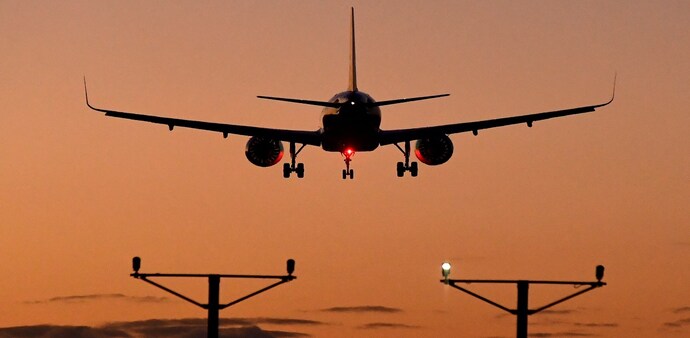
- Mar 22, 2026,
- Updated Mar 22, 2026 8:01 PM IST
The government is exploring liquidity support measures for airlines as rising fuel prices and operational disruptions linked to the West Asia conflict continue to strain the sector, sources told Business Today on Sunday.
The government is also examining tax relief options and will engage with states to discuss the issue, they said.
Also read: $11 billion exposure: India is largest importer of nitrogen fertilisers from Persian Gulf
Airlines have faced mounting pressure since the Iran conflict began on February 28. Airspace closures across West Asia and Pakistan have forced longer flight routes, increasing operational costs.
Also read: US cargo ship with 16,714 metric tonnes of LPG arrives at Mangaluru
Fuel costs have emerged as a central concern. Aviation Turbine Fuel accounts for nearly 40% of airlines' operating costs, and recent increases have significantly affected margins. The International Air Transport Association's Jet Fuel Monitor shows that jet fuel prices in the region rose by more than 85% in March 2026.
Air India Chief Executive Officer Campbell Wilson said in an internal note on Friday that the full impact of the energy crisis would become clearer next month, adding that there is a limit to fare increases before demand begins to fall.
Airlines, including Air India, IndiGo, Akasa, and SpiceJet, have already introduced fuel surcharges in response to higher ATF prices. However, industry estimates suggest that these surcharges offset only about 10 to 15% of the increase on domestic routes, leaving carriers to absorb the remaining costs.
The government is exploring liquidity support measures for airlines as rising fuel prices and operational disruptions linked to the West Asia conflict continue to strain the sector, sources told Business Today on Sunday.
The government is also examining tax relief options and will engage with states to discuss the issue, they said.
Also read: $11 billion exposure: India is largest importer of nitrogen fertilisers from Persian Gulf
Airlines have faced mounting pressure since the Iran conflict began on February 28. Airspace closures across West Asia and Pakistan have forced longer flight routes, increasing operational costs.
Also read: US cargo ship with 16,714 metric tonnes of LPG arrives at Mangaluru
Fuel costs have emerged as a central concern. Aviation Turbine Fuel accounts for nearly 40% of airlines' operating costs, and recent increases have significantly affected margins. The International Air Transport Association's Jet Fuel Monitor shows that jet fuel prices in the region rose by more than 85% in March 2026.
Air India Chief Executive Officer Campbell Wilson said in an internal note on Friday that the full impact of the energy crisis would become clearer next month, adding that there is a limit to fare increases before demand begins to fall.
Airlines, including Air India, IndiGo, Akasa, and SpiceJet, have already introduced fuel surcharges in response to higher ATF prices. However, industry estimates suggest that these surcharges offset only about 10 to 15% of the increase on domestic routes, leaving carriers to absorb the remaining costs.