
Govt may charge LPG, natural gas users to fund $42 billion strategic fuel reserve: Report
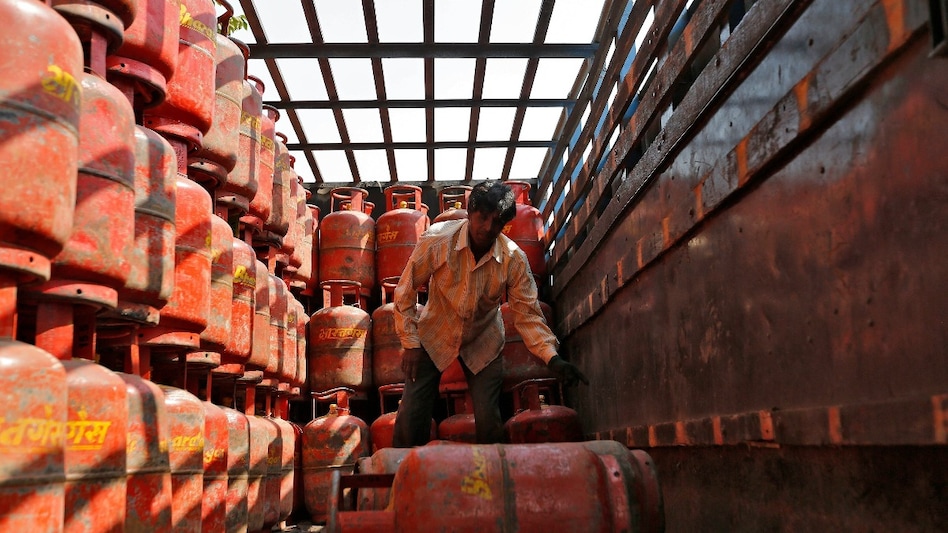
The Petroleum Ministry is reportedly considering a levy of ₹1.29 per kg of LPG, which would increase the cost of a standard domestic cooking gas cylinder by about ₹18
- Aug 5, 2026,
- Updated Aug 5, 2026 3:19 PM IST
The Centre is considering imposing a small levy on cooking gas and natural gas users to help fund a planned $42 billion strategic fuel reserve programme, Reuters reported on Wednesday, citing two sources.
The proposal comes after supply disruptions during the Iran conflict exposed India's vulnerability to global fuel supply shocks, the sources said.
If approved, it would mark the first time India's strategic reserve programme extends beyond crude oil to include liquefied natural gas (LNG) and liquefied petroleum gas (LPG), or cooking gas.
Don't Miss: India's new oil security plan: Half of ONGC's Mangaluru storage to be kept as strategic reserve
WHAT CONSUMERS MAY PAY
The Petroleum Ministry is reportedly considering a levy of ₹1.29 per kg of LPG, which would increase the cost of a standard domestic cooking gas cylinder by about ₹18.
The levy is expected to generate around $460 million a year at current consumption levels.
For natural gas, the ministry has proposed a levy of ₹1.43 per standard cubic metre, which could raise about $1 billion annually, the sources said.
Together, the two levies could generate around $1.5 billion every year to finance gas storage infrastructure.
Reuters reported that it is not yet clear how the levies would be collected.
Must Read: 'India needs much larger oil reserves': Montek Singh Ahluwalia as Hormuz crisis returns
WHY THE MONEY IS NEEDED
The proposed strategic reserve programme is expected to cost about $42 billion over the next decade.
According to the report, more than half the amount would be spent on building storage infrastructure, while the remaining funds would be used to stock the reserves.
The plan envisages fuel stockpiles sufficient to meet around two months of India's crude oil and LNG demand and about six weeks of LPG consumption.
Under the proposal, storage infrastructure for LPG and natural gas would be financed through the user levies, while crude oil reserves and strategic fuel inventories would continue to be funded by the central government.
The plan was drawn up after disruptions linked to the West Asia conflict drove up import costs and highlighted India's dependence on imported fuel.
India is the world's third-largest importer and consumer of crude oil. Nearly 90% of its crude oil requirement is met through imports, making it highly exposed to disruptions such as those seen during the US-Israeli conflict with Iran and the subsequent uncertainty around the Strait of Hormuz.
According to the sources, the government estimates it will require an additional 28 million metric tonnes of crude storage capacity, 9 million tonnes of LNG storage, and 4 million tonnes of LPG storage over the next 10 years.
The proposal is still being discussed across ministries and has not yet been approved by Prime Minister Narendra Modi's Cabinet, the sources said. The proposed levies would increase household gas bills by around 2%.
The Centre is considering imposing a small levy on cooking gas and natural gas users to help fund a planned $42 billion strategic fuel reserve programme, Reuters reported on Wednesday, citing two sources.
The proposal comes after supply disruptions during the Iran conflict exposed India's vulnerability to global fuel supply shocks, the sources said.
If approved, it would mark the first time India's strategic reserve programme extends beyond crude oil to include liquefied natural gas (LNG) and liquefied petroleum gas (LPG), or cooking gas.
Don't Miss: India's new oil security plan: Half of ONGC's Mangaluru storage to be kept as strategic reserve
WHAT CONSUMERS MAY PAY
The Petroleum Ministry is reportedly considering a levy of ₹1.29 per kg of LPG, which would increase the cost of a standard domestic cooking gas cylinder by about ₹18.
The levy is expected to generate around $460 million a year at current consumption levels.
For natural gas, the ministry has proposed a levy of ₹1.43 per standard cubic metre, which could raise about $1 billion annually, the sources said.
Together, the two levies could generate around $1.5 billion every year to finance gas storage infrastructure.
Reuters reported that it is not yet clear how the levies would be collected.
Must Read: 'India needs much larger oil reserves': Montek Singh Ahluwalia as Hormuz crisis returns
WHY THE MONEY IS NEEDED
The proposed strategic reserve programme is expected to cost about $42 billion over the next decade.
According to the report, more than half the amount would be spent on building storage infrastructure, while the remaining funds would be used to stock the reserves.
The plan envisages fuel stockpiles sufficient to meet around two months of India's crude oil and LNG demand and about six weeks of LPG consumption.
Under the proposal, storage infrastructure for LPG and natural gas would be financed through the user levies, while crude oil reserves and strategic fuel inventories would continue to be funded by the central government.
The plan was drawn up after disruptions linked to the West Asia conflict drove up import costs and highlighted India's dependence on imported fuel.
India is the world's third-largest importer and consumer of crude oil. Nearly 90% of its crude oil requirement is met through imports, making it highly exposed to disruptions such as those seen during the US-Israeli conflict with Iran and the subsequent uncertainty around the Strait of Hormuz.
According to the sources, the government estimates it will require an additional 28 million metric tonnes of crude storage capacity, 9 million tonnes of LNG storage, and 4 million tonnes of LPG storage over the next 10 years.
The proposal is still being discussed across ministries and has not yet been approved by Prime Minister Narendra Modi's Cabinet, the sources said. The proposed levies would increase household gas bills by around 2%.