
I-T Dept clarifies 'no proposal before govt' to increase capital gains tax for top earners
While India levies a tax of as much as 30% on income, it taxes gains on certain asset classes such as equity funds and stocks at a lower rate
- Apr 18, 2023,
- Updated Apr 18, 2023 11:05 PM IST
Income Tax Department on Tuesday clarified that there is no proposal before the government to increase capital gains tax for top income earners.
While responding to a Bloomberg report that said "India is preparing an overhaul of its direct tax laws to replace a complicated matrix of rules and help Prime Minister Narendra Modi reduce widening income inequality", Income Tax Department said on Twitter, "It is clarified that there is no such proposal before the Government on capital gains tax."
While India levies a tax of as much as 30% on income, it taxes gains on certain asset classes such as equity funds and stocks at a lower rate.
"A panel may be appointed to build on proposals submitted to the Finance Ministry in 2019 with an eye to implement in 2024, though no final decisions have been made," reported Bloomberg citing sources.
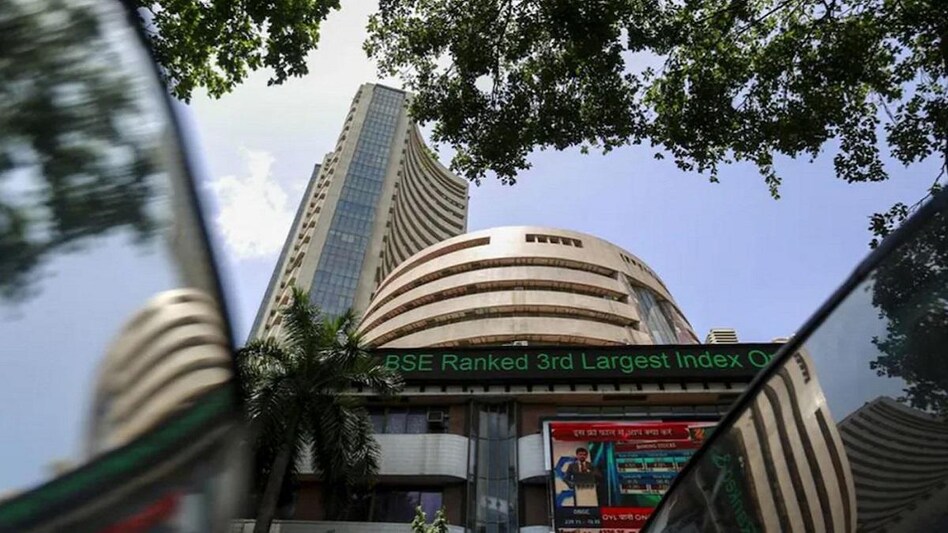
Following the report, the equity market benchmark Sensex declined 331 during the intra-day trade. It later recovered some losses and closed 183.74 points lower at 59,727.
With a new direct taxes code, the government is also looking to replace India’s complicated tax system with a simpler law to draw in companies looking to shift their operations out of China amid growing tensions between Washington and Beijing. More importantly, it could help burnish India’s credentials as an investment destination after companies such as Vodafone Group Plc and Cairn Energy Plc challenged tax decisions in courts in the past, the report added.
The levy would have applied to equity shares of a listed company, unit of an equity oriented fund and unit of a business trust. These assets must have been held for a minimum period of 12 months from the date of acquisition.
India’s reliance on indirect taxes — levies on consumption — rather than direct taxes on capital is often cited by economists as the main culprit behind the country’s poor getting left behind.
Under the Income Tax Act, gains from sale of capital assets -- both movable and immovable -- are subject to 'capital gains tax'.
The Act, however, excludes movable personal assets such as cars, apparels and furniture from this tax.
Depending upon the period of holding an asset, the long-term or short-term capital gains tax is levied.
With inputs from agencies
Income Tax Department on Tuesday clarified that there is no proposal before the government to increase capital gains tax for top income earners.
While responding to a Bloomberg report that said "India is preparing an overhaul of its direct tax laws to replace a complicated matrix of rules and help Prime Minister Narendra Modi reduce widening income inequality", Income Tax Department said on Twitter, "It is clarified that there is no such proposal before the Government on capital gains tax."
While India levies a tax of as much as 30% on income, it taxes gains on certain asset classes such as equity funds and stocks at a lower rate.
"A panel may be appointed to build on proposals submitted to the Finance Ministry in 2019 with an eye to implement in 2024, though no final decisions have been made," reported Bloomberg citing sources.
Following the report, the equity market benchmark Sensex declined 331 during the intra-day trade. It later recovered some losses and closed 183.74 points lower at 59,727.
With a new direct taxes code, the government is also looking to replace India’s complicated tax system with a simpler law to draw in companies looking to shift their operations out of China amid growing tensions between Washington and Beijing. More importantly, it could help burnish India’s credentials as an investment destination after companies such as Vodafone Group Plc and Cairn Energy Plc challenged tax decisions in courts in the past, the report added.
The levy would have applied to equity shares of a listed company, unit of an equity oriented fund and unit of a business trust. These assets must have been held for a minimum period of 12 months from the date of acquisition.
India’s reliance on indirect taxes — levies on consumption — rather than direct taxes on capital is often cited by economists as the main culprit behind the country’s poor getting left behind.
Under the Income Tax Act, gains from sale of capital assets -- both movable and immovable -- are subject to 'capital gains tax'.
The Act, however, excludes movable personal assets such as cars, apparels and furniture from this tax.
Depending upon the period of holding an asset, the long-term or short-term capital gains tax is levied.
With inputs from agencies