
India–EU trade pact sealed: From cars to wine, what becomes cheaper and what could shift
India–EU trade pact sealed: From cars to wine, what becomes cheaper and what could shift
India and the European Union have sealed a landmark trade agreement, marking a major step in strengthening economic ties between two of the world’s largest economies. The biggest immediate impact of the India–EU trade deal will be seen in lower import costs across a wide range of products. Tariffs will be sharply reduced or eliminated on chemicals, machinery, pharmaceuticals, medical equipment, aircraft, automobiles and several food and beverage items.
Business Today Desk
- Jan 27, 2026,
- Updated Jan 27, 2026 1:40 PM IST
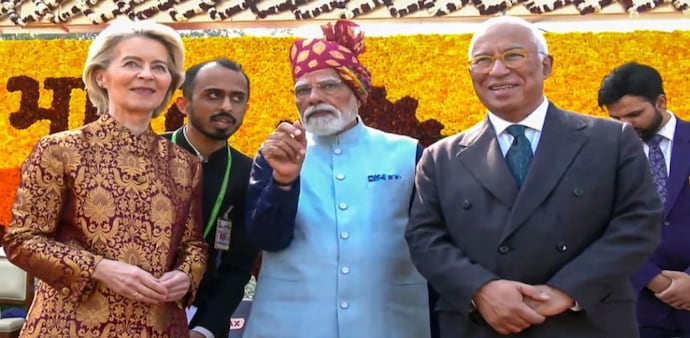
India and the European Union have concluded negotiations on a landmark trade agreement, with Prime Minister Narendra Modi and European Commission President Ursula von der Leyen formally sealing the deal. The pact is expected to significantly deepen economic ties between two of the world’s largest economies, creating new opportunities for businesses while reshaping price dynamics for Indian consumers and industries.
Advertisement
The agreement aims to eliminate tariff and non-tariff barriers on over 90 per cent of Indian goods. Labour-intensive sectors such as textiles, leather, chemicals, electronics and jewellery are expected to be among the biggest beneficiaries, as these products largely complement European manufacturing. The Indian automobile sector is also expected to see a notable impact.
What gets cheaper for Indian buyers
Chemicals: Import duties of up to 22 per cent on EU chemical products will be mostly eliminated, covering almost the entire product range.
Machinery: High tariffs of up to 44 per cent on European machinery will be largely scrapped, reducing costs of capital goods and industrial inputs.
Pharmaceuticals: Duties of up to 11 per cent on EU pharma products will see near-total elimination.
Advertisement
Medical and surgical equipment: Around 90 per cent of optical, medical and surgical equipment will become duty-free, easing healthcare costs.
Aircraft and spacecraft: Tariffs on almost all products in this category will be eliminated, benefiting aviation and space sectors.
Automobiles: Tariffs on EU cars will be reduced in phases to 10 per cent, subject to an annual quota of 250,000 vehicles, making premium imports more affordable.
Food and beverages
Tariffs on olive oil, margarine and select vegetable oils will be cut or eliminated.
Duties on fruit juices and processed food products will be removed.
Beer tariffs will be reduced to 50 per cent.
Wine duties will be lowered to 20–30 per cent.
Overall trade impact: More than 90 per cent of EU goods exports to India will face reduced or zero tariffs. European exporters are estimated to save up to €4 billion annually, with cost benefits expected to pass on to Indian consumers and industries.
Advertisement
Broader provisions of the deal
The EU has committed €500 million over the next two years to support India’s efforts to reduce greenhouse gas emissions.
Strong protection has been built in for EU trademarks, industrial designs, copyrights and trade secrets.
A dedicated digital trade chapter seeks to ensure secure, fair and predictable online commerce.
EU service providers will receive preferential access in financial and maritime services.
Improved market access is expected to generate new business and employment opportunities.
A dedicated chapter focuses on small and medium enterprises (SMEs), including SME contact points to facilitate trade and investment.
The agreement promises greater transparency and fewer regulatory barriers to improve ease of doing business.
What could get costlier
No direct tariff increases have been announced under the India–EU trade deal.
However, increased competition from European players in services such as finance and maritime transport could influence pricing in select service segments, rather than in goods.
(With Reuters inputs)
India and the European Union have concluded negotiations on a landmark trade agreement, with Prime Minister Narendra Modi and European Commission President Ursula von der Leyen formally sealing the deal. The pact is expected to significantly deepen economic ties between two of the world’s largest economies, creating new opportunities for businesses while reshaping price dynamics for Indian consumers and industries.
Advertisement
The agreement aims to eliminate tariff and non-tariff barriers on over 90 per cent of Indian goods. Labour-intensive sectors such as textiles, leather, chemicals, electronics and jewellery are expected to be among the biggest beneficiaries, as these products largely complement European manufacturing. The Indian automobile sector is also expected to see a notable impact.
What gets cheaper for Indian buyers
Chemicals: Import duties of up to 22 per cent on EU chemical products will be mostly eliminated, covering almost the entire product range.
Machinery: High tariffs of up to 44 per cent on European machinery will be largely scrapped, reducing costs of capital goods and industrial inputs.
Pharmaceuticals: Duties of up to 11 per cent on EU pharma products will see near-total elimination.
Advertisement
Medical and surgical equipment: Around 90 per cent of optical, medical and surgical equipment will become duty-free, easing healthcare costs.
Aircraft and spacecraft: Tariffs on almost all products in this category will be eliminated, benefiting aviation and space sectors.
Automobiles: Tariffs on EU cars will be reduced in phases to 10 per cent, subject to an annual quota of 250,000 vehicles, making premium imports more affordable.
Food and beverages
Tariffs on olive oil, margarine and select vegetable oils will be cut or eliminated.
Duties on fruit juices and processed food products will be removed.
Beer tariffs will be reduced to 50 per cent.
Wine duties will be lowered to 20–30 per cent.
Overall trade impact: More than 90 per cent of EU goods exports to India will face reduced or zero tariffs. European exporters are estimated to save up to €4 billion annually, with cost benefits expected to pass on to Indian consumers and industries.
Advertisement
Broader provisions of the deal
The EU has committed €500 million over the next two years to support India’s efforts to reduce greenhouse gas emissions.
Strong protection has been built in for EU trademarks, industrial designs, copyrights and trade secrets.
A dedicated digital trade chapter seeks to ensure secure, fair and predictable online commerce.
EU service providers will receive preferential access in financial and maritime services.
Improved market access is expected to generate new business and employment opportunities.
A dedicated chapter focuses on small and medium enterprises (SMEs), including SME contact points to facilitate trade and investment.
The agreement promises greater transparency and fewer regulatory barriers to improve ease of doing business.
What could get costlier
No direct tariff increases have been announced under the India–EU trade deal.
However, increased competition from European players in services such as finance and maritime transport could influence pricing in select service segments, rather than in goods.
(With Reuters inputs)
Read more!