
India has 60 days of crude oil stock - Here's why govt still wants fuel conservation
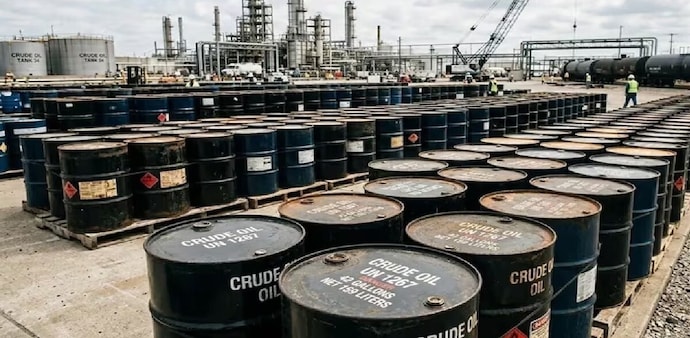
India currently has 60 days of crude oil reserves, 60 days of natural gas stock and 45 days of LPG rolling stock
- May 11, 2026,
- Updated May 11, 2026 5:05 PM IST
The Centre on Monday said India has enough crude oil, natural gas and LPG reserves to handle the ongoing West Asia crisis, while urging people not to panic-buy fuel or essential commodities.
Defence Minister Rajnath Singh chaired the fifth meeting of the Informal Group of Ministers (IGoM) on West Asia and reviewed the impact of the conflict on India’s energy supplies, economy and supply chains.
Don't Miss: ₹6.77 lakh crore import hit: Why PM Modi wants Indians to delay buying gold
Enough oil, no reason to panic
The group was informed that India currently has 60 days of crude oil reserves, 60 days of natural gas stock and 45 days of LPG rolling stock. Also, the country’s foreign exchange reserves stand at $703 billion.
"There is no reason for anxiety, and no reason for any citizens to rush to retail outlets," the Defence Ministry said in a statement after the meeting.
The government said India remains fully supplied with petroleum products even as many countries have imposed emergency measures to curb domestic fuel consumption amid rising global crude prices.
Why the govt still wants fuel conservation
India is the world’s third-largest oil refiner and fourth-largest exporter of petroleum products, exporting to more than 150 countries, the ministry said. However, the Centre acknowledged that the country was bearing a heavy financial burden because of elevated crude oil prices.
According to the government, public sector oil marketing companies are absorbing losses of nearly Rs 1,000 crore a day to shield consumers from the global energy shock.
Under-recoveries have touched almost Rs 2 lakh crore in the first quarter of 2026, even as petrol and diesel prices in India have remained largely unchanged for more than 70 days since the conflict began.
"In many nations, prices have increased by 30 to 70 per cent," the ministry said.
PM Modi’s appeal and the long-term worry
The meeting came a day after Prime Minister Narendra Modi urged people to reduce fuel consumption, avoid unnecessary foreign travel and postpone non-essential gold purchases for a year to conserve foreign exchange reserves.
Modi had also called for greater use of public transport, carpooling and work-from-home practices, besides urging farmers to reduce chemical fertiliser use and shift towards natural farming and solar-powered irrigation.
Rajnath Singh directed ministries and states to take "concrete steps" to implement the Prime Minister's appeal at the ground level. "Ministries and States must identify, in a coordinated manner, measures to institutionalise fuel efficiency, public awareness, and responsible consumption behavior," Singh said.
The Defence Minister also stressed the need to accelerate India’s transition towards renewable energy, diversify energy sources and strengthen strategic reserves to tackle future supply disruptions. He said the West Asia conflict should not be viewed as an isolated event because global crises directly affect interconnected economies like India.
The IGoM was also informed about recent measures announced for the industry and MSMEs. These include the Emergency Credit Line Guarantee Scheme 5.0 approved earlier this month, which aims to provide additional credit flow of Rs 2.55 lakh crore with government-backed guarantees for MSMEs, non-MSMEs and airlines.
The Finance Ministry has also allowed force majeure-related relief measures in public procurement contracts because of the ongoing crisis, enabling deadline extensions of two to four months from February 28, 2026.
The Centre on Monday said India has enough crude oil, natural gas and LPG reserves to handle the ongoing West Asia crisis, while urging people not to panic-buy fuel or essential commodities.
Defence Minister Rajnath Singh chaired the fifth meeting of the Informal Group of Ministers (IGoM) on West Asia and reviewed the impact of the conflict on India’s energy supplies, economy and supply chains.
Don't Miss: ₹6.77 lakh crore import hit: Why PM Modi wants Indians to delay buying gold
Enough oil, no reason to panic
The group was informed that India currently has 60 days of crude oil reserves, 60 days of natural gas stock and 45 days of LPG rolling stock. Also, the country’s foreign exchange reserves stand at $703 billion.
"There is no reason for anxiety, and no reason for any citizens to rush to retail outlets," the Defence Ministry said in a statement after the meeting.
The government said India remains fully supplied with petroleum products even as many countries have imposed emergency measures to curb domestic fuel consumption amid rising global crude prices.
Why the govt still wants fuel conservation
India is the world’s third-largest oil refiner and fourth-largest exporter of petroleum products, exporting to more than 150 countries, the ministry said. However, the Centre acknowledged that the country was bearing a heavy financial burden because of elevated crude oil prices.
According to the government, public sector oil marketing companies are absorbing losses of nearly Rs 1,000 crore a day to shield consumers from the global energy shock.
Under-recoveries have touched almost Rs 2 lakh crore in the first quarter of 2026, even as petrol and diesel prices in India have remained largely unchanged for more than 70 days since the conflict began.
"In many nations, prices have increased by 30 to 70 per cent," the ministry said.
PM Modi’s appeal and the long-term worry
The meeting came a day after Prime Minister Narendra Modi urged people to reduce fuel consumption, avoid unnecessary foreign travel and postpone non-essential gold purchases for a year to conserve foreign exchange reserves.
Modi had also called for greater use of public transport, carpooling and work-from-home practices, besides urging farmers to reduce chemical fertiliser use and shift towards natural farming and solar-powered irrigation.
Rajnath Singh directed ministries and states to take "concrete steps" to implement the Prime Minister's appeal at the ground level. "Ministries and States must identify, in a coordinated manner, measures to institutionalise fuel efficiency, public awareness, and responsible consumption behavior," Singh said.
The Defence Minister also stressed the need to accelerate India’s transition towards renewable energy, diversify energy sources and strengthen strategic reserves to tackle future supply disruptions. He said the West Asia conflict should not be viewed as an isolated event because global crises directly affect interconnected economies like India.
The IGoM was also informed about recent measures announced for the industry and MSMEs. These include the Emergency Credit Line Guarantee Scheme 5.0 approved earlier this month, which aims to provide additional credit flow of Rs 2.55 lakh crore with government-backed guarantees for MSMEs, non-MSMEs and airlines.
The Finance Ministry has also allowed force majeure-related relief measures in public procurement contracts because of the ongoing crisis, enabling deadline extensions of two to four months from February 28, 2026.